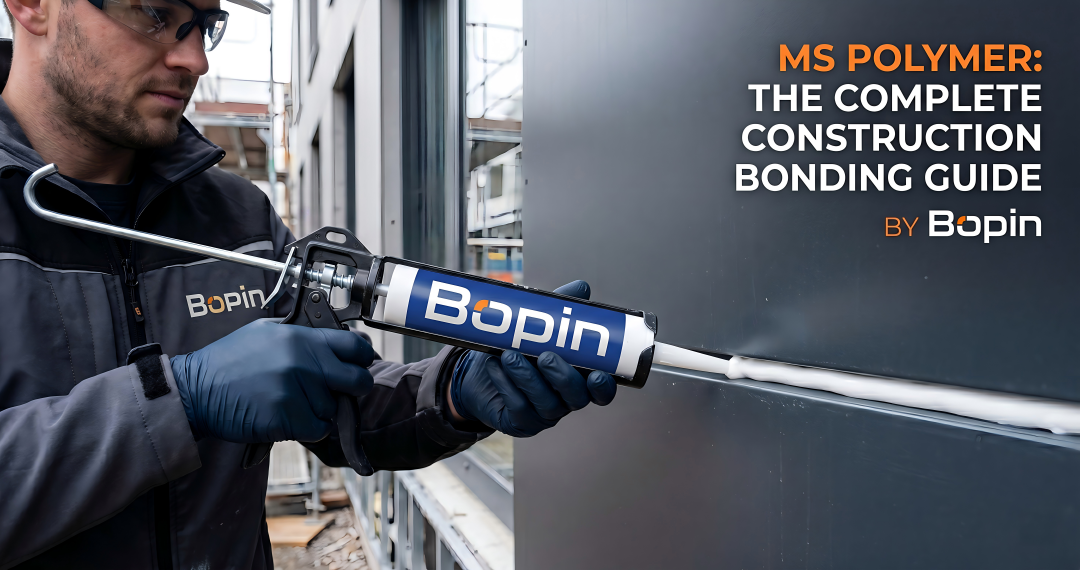
Professional masonry protection guidance from BoPin Construction Chemicals – safeguarding your property investment
Your Brick is Thirstier Than You Think
Your beautiful brick home or patio is a timeless investment that adds character and value to your property. But here’s what most homeowners don’t realize: brick and mortar are porous materials that act like a sponge for water. Every rain shower, sprinkler system, and humid day sends moisture deep into your masonry.
This constant water absorption leads to serious problems. Spalling occurs when trapped water freezes and expands, literally breaking pieces off your brick. Efflorescence creates those unsightly white stains that make your beautiful brickwork look old and dirty. In severe cases, water damage can compromise the structural integrity of your masonry, leading to costly repairs that can reach thousands of dollars.
The solution exists, and it’s simpler than you might think: the right sealer.
This guide is your complete A-to-Z resource for protecting your masonry investment. We’ll walk you through everything you need to know. You’ll understand why sealing is essential, learn about the different types of sealers, and discover how to choose the best one. Most importantly, we’ll provide a step-by-step guide to applying it like a professional – ensuring your brickwork stays beautiful and protected for years to come.
Why You MUST Seal Your Brickwork: The Top 5 Benefits
Sealing your brick isn’t just recommended maintenance – it’s essential protection that delivers measurable benefits for your property value and peace of mind.
1. Prevents Water Damage (The #1 Reason)
Water is brick’s biggest enemy. The freeze-thaw cycle that occurs in colder climates is particularly destructive. Water seeps into tiny pores and cracks. When temperatures drop, that water freezes and expands. This expansion creates tremendous pressure that literally cracks and breaks your brick from the inside out.
Quality sealing blocks this water infiltration before it can cause damage. Think of it as waterproof insurance for your masonry investment.
2. Stops Mold, Mildew, and Efflorescence
Moisture creates the perfect environment for mold and mildew growth. These organisms don’t just look unsightly – they can create health problems for your family and gradually break down your mortar.
Efflorescence – those white, chalky stains – occurs when water carries salts to the surface. While not structurally dangerous, efflorescence makes your beautiful brickwork look old, dirty, and neglected. Proper sealing prevents the moisture movement that causes these problems.
3. Makes Cleaning Easier
Sealed brick surfaces resist dirt, stains, and biological growth. What used to require aggressive pressure washing and harsh chemicals can now be cleaned with simple soap and water. This easier maintenance saves you time and money while being gentler on your masonry.
Graffiti and paint cleanup becomes dramatically easier on properly sealed surfaces, protecting your property from vandalism damage.
4. Protects Mortar Joints (The Weakest Link)
Mortar is often more porous and vulnerable than the brick itself. When mortar joints fail, water can penetrate deep into your wall system. Repointing failed mortar is expensive and disruptive – sealing provides cost-effective prevention.
Quality sealers penetrate both brick and mortar providing comprehensive protection for your entire masonry system.
5. Enhances or Preserves Natural Color
Depending on the sealer type you choose, you can either maintain your brick’s natural appearance or enhance its color. Many sealers bring out the rich, natural hues in your masonry. More importantly, they prevent the fading and dulling that occurs from constant UV exposure and weathering.
This color protection helps maintain your property’s curb appeal and market value over the long term.
The Two Main Types of Brick Sealer: Which is Right for You?
Understanding this fundamental choice determines the success of your sealing project. The wrong type can create more problems than it solves, while the right choice provides decades of trouble-free protection.
Film-Forming (Topical) Sealers: The High-Gloss Option
Film-forming sealers create a protective coating on the surface of your brick. Think of them like paint – they form a visible layer that sits on top of the masonry.
What they are: These sealers cure to form a continuous film over your brick surface. They often provide a “wet look” or glossy finish that dramatically changes the appearance of your masonry.
Pros of film-forming sealers:
- High gloss finish that makes colors appear more vibrant
- Very easy to clean – dirt and stains wipe away from the smooth surface
- Immediate visual impact that can dramatically change your brick’s appearance
- Excellent stain resistance for high-traffic areas
Cons you need to consider:
- Can be slippery when wet – a safety concern for walkways and patios
- Traps moisture if water gets underneath, potentially causing more damage than no sealer at all
- Will need to be stripped before recoating – you can’t just apply new sealer over old film
- May look artificial compared to your brick’s natural appearance
- Can peel or flake over time if not properly maintained
Penetrating (Impregnating) Sealers: The Professional’s Choice
Penetrating sealers soak into the pores of your brick and mortar. Instead of coating the surface, they create a waterproof barrier from within the masonry itself.
What they are: These sealers penetrate deep into the brick’s pore structure where they cure to form microscopic barriers. The surface looks completely natural because there’s no visible film.
Pros of penetrating sealers:
- Breathable protection – allows moisture vapor to escape while blocking liquid water
- Maintains natural appearance – your brick looks exactly the same, just protected
- Won’t peel or flake because there’s no surface film to fail
- Long-lasting protection – typically 10-15 years between applications
- Safe walking surfaces – no slippery coating to worry about
- Easy reapplication – new sealer bonds with old for continuous protection
Cons to consider:
- No gloss enhancement – maintains natural matte appearance
- Slightly higher cost than basic topical sealers
- Takes longer to see results – protection develops as the product cures
Professional recommendation: For most exterior brick applications, a penetrating sealer is the professional’s choice for its superior durability, safety, and breathability. It provides invisible protection that enhances your brick’s performance without changing its character.
Buyer’s Guide: What to Look For in a High-Quality Sealer
Not all sealers are created equal. Understanding these key factors helps you identify products that provide lasting protection versus those that might fail prematurely.
Water-Based vs. Solvent-Based Chemistry
Water-based sealers offer easier application and cleanup with lower odor and environmental impact. They’re generally safer to use and don’t require special ventilation or disposal procedures.
Solvent-based sealers often provide deeper penetration and may perform better in extreme weather conditions. However, they require more careful handling and ventilation during application.
For most DIY applications, water-based formulations provide the best balance of performance, safety, and ease of use.
Breathability: The Critical Factor
This might be the most important characteristic to understand. Vapor permeability means your sealer allows trapped moisture to escape while blocking liquid water from entering.
Non-breathable sealers can trap moisture leading to spalling, efflorescence, and structural damage – exactly the problems you’re trying to prevent. Look for sealers specifically labeled as “breathable” or “vapor permeable.”
Quality sealers provide this information in their technical specifications – reputable manufacturers will clearly state vapor permeability ratings.
Natural Finish Preservation
Does the sealer dry completely clear without changing your brick’s appearance? This is crucial if you love your brick’s current look and want to preserve its natural character.
Test any sealer on an inconspicuous area first to ensure you’re happy with the appearance before treating the entire surface.
UV Resistance for Long-Term Protection
Will the sealer break down under constant sun exposure? UV degradation is a common cause of premature sealer failure, especially in sunny climates.
Quality sealers include UV stabilizers that prevent breakdown from solar radiation. This is particularly important for south-facing walls and exposed surfaces.
Our Recommended Solution: The Professional’s Choice for Brick Protection
After extensive testing in various climates and applications, we’ve developed masonry protection systems that deliver the performance professionals demand with the ease of application homeowners need.
BoPin 380 Weather-Resistant Masonry Protection System
Why It Excels as Your Brick Protection Solution:
Advanced Penetrating Formula: Sinks deep into the pores of brick and mortar for lasting protection from the inside out. Unlike surface coatings that can fail, this system becomes part of your masonry structure.
100% Breathable Technology: Blocks liquid water infiltration while allowing trapped water vapor to escape. This prevents the moisture trapping that can cause more damage than no protection at all.
Invisible, Natural Finish: Dries completely clear, preserving the beautiful, natural look of your brick. Your masonry looks exactly the same – just protected.
Water-Based for Easy Application & Cleanup: No harsh solvents or complicated application procedures. Clean up with soap and water, and safe for DIY application with proper preparation.
Superior Weather Resistance: Engineered to withstand extreme weather from -50°C to +150°C. This wide temperature range ensures protection in any climate.
Extended Service Life: Provides 15-20 years of protection in most applications. This long service life makes it a smart investment in your property’s future.
Non-Staining Technology: Safe for use on all masonry materials without discoloration concerns. Won’t cause the white residue or staining that inferior products can create.
Enhanced Adhesion with BoPin PR-140 Universal Primer
For optimal results on challenging surfaces or critical applications, BoPin PR-140 Universal Primer ensures maximum adhesion and sealer penetration.
When to use primer:
- Heavily weathered or chalky brick surfaces
- Previously sealed masonry
- Critical applications where failure would be costly
- Dusty or contaminated surfaces
How to Apply Brick Sealer in 4 Simple Steps
Proper application technique makes the difference between professional results and premature failure. Follow these steps for lasting protection that preserves your investment.
Step 1: Clean Thoroughly (The Most Important Step)
This step determines the success of your entire project. Surface contaminants prevent proper sealer penetration and adhesion, leading to early failure.
Start with a thorough pressure washing:
- Use moderate pressure (1,200-1,500 PSI maximum)
- Work from top to bottom to avoid streaking
- Pay special attention to areas with heavy staining or biological growth
- Allow 24-48 hours for complete drying
For stubborn stains, use appropriate masonry cleaners:
- Efflorescence requires acidic cleaners designed for masonry
- Oil stains may need specialized degreasers
- Mold and mildew respond to antimicrobial treatments
- Always test cleaners on inconspicuous areas first
Final preparation checklist:
- Remove all loose mortar and debris
- Check that surfaces are completely dry
- Protect surrounding plants and surfaces
- Ensure good weather conditions for application
Step 2: Repair & Test
Address any structural issues before sealing. Sealers are not gap fillers – they won’t fix cracked mortar or damaged brick.
Repair damaged mortar joints: Remove loose or crumbling mortar and repoint with appropriate mortar mix. Allow new mortar to cure for at least 30 days before sealing.
Test in a small, inconspicuous area: Apply sealer to a 2-foot square area and evaluate the results after 24-48 hours. This test confirms appearance, coverage rate, and compatibility before treating the entire surface.
Check weather conditions: Apply sealer when temperatures are between 10°C and 35°C with no rain expected for 24 hours.
Step 3: Application Techniques
Choose the right application method for your project size and brick texture:
Pump sprayer (most efficient for large areas):
- Use low-pressure sprayer designed for solvents
- Apply in overlapping passes to ensure even coverage
- Work systematically to avoid missing areas
- Back-roll textured surfaces for better penetration
Roller application (good control and penetration):
- Use short-nap roller designed for masonry
- Work sealer into surface texture thoroughly
- Apply thin, even coats rather than heavy application
- This method provides excellent control over coverage and penetration
Brush application (detailed work and edges):
- Use high-quality synthetic bristle brush
- Work sealer into mortar joints and surface texture
- Ideal for detailed areas around windows and trim
- Time-consuming but provides excellent results for smaller projects
Coverage rates typically range from 3-6 square meters per liter depending on brick porosity and application method.
Step 4: Curing and Protection
Proper curing is essential for maximum protection. Rushing this stage can compromise your entire investment.
Initial protection develops within 2-4 hours as the sealer begins to cure. The surface should be protected from rain during this critical period.
Full cure typically takes 24-48 hours depending on temperature and humidity conditions. Avoid heavy rain or irrigation during this period.
Maximum protection develops over 7-14 days as the sealer fully bonds with the masonry. This is when the sealer reaches its full water-repelling capability.
Testing protection: After full cure, test by sprinkling water on the surface. Properly sealed brick will cause water to bead and roll off rather than absorbing into the surface.
Brick Sealer FAQ
How often do I need to seal my brick?
Quality penetrating sealers typically provide 5-10 years of protection for most exterior applications. The exact timing depends on several factors:
- Climate conditions (harsh weather reduces service life)
- Brick porosity and condition
- Sealer quality and application technique
- Exposure to UV radiation and weather
Simple water test: Sprinkle water on your brick surface. If water soaks in rather than beading up, it’s time for resealing.
Can I seal painted brick?
Painted brick requires different approach than natural brick. The paint creates a barrier that prevents penetrating sealers from working effectively.
For painted brick:
- Use film-forming sealers designed for painted surfaces
- Ensure existing paint is well-adhered and in good condition
- Consider the paint’s breathability when choosing sealers
- Test thoroughly before full application
Removing paint to restore natural brick allows use of penetrating sealers but requires professional paint removal services.
Will sealer make my brick look shiny?
This depends entirely on the sealer type you choose:
Penetrating sealers: Maintain your brick’s completely natural, matte appearance. You won’t be able to tell it’s been sealed except for the improved water resistance.
Film-forming sealers: Create varying degrees of gloss from satin to high-gloss finish. These dramatically change your brick’s appearance.
For natural appearance, choose penetrating sealers. For enhanced color and gloss, film-forming sealers provide options.
What about sealer warranties?
Reputable sealer manufacturers provide material warranties ranging from 5-15 years when products are applied according to specifications.
These warranties typically cover:
- Material defects and premature failure
- Loss of water repellency within the warranty period
- Proper application following manufacturer guidelines
Keep detailed records including photos, product labels, and application conditions for warranty coverage.
Can I apply sealer myself?
DIY application is definitely possible with proper preparation and technique. Most homeowners can successfully seal their brick following these guidelines:
You’ll need:
- Appropriate cleaning equipment and chemicals
- Application tools (sprayer, roller, or brush)
- Safety equipment (gloves, eye protection)
- Good weather conditions
Consider professional application for:
- Large or complex projects
- Historic or valuable masonry
- When warranty coverage is critical
- If you’re not confident in your preparation skills
Conclusion: A Weekend Project to Protect Your Home for a Decade
Sealing your brick is one of the smartest, most cost-effective maintenance tasks you can perform. The investment in quality sealer and proper application provides years of protection against costly water damage, staining, and structural problems.
The key to success is choosing a high-quality, breathable, penetrating sealer that protects without changing your brick’s natural beauty. Combined with thorough preparation and proper application technique, sealing provides invisible protection that preserves your masonry investment for years to come.
Consider the economics: A few hundred dollars in sealer and a weekend of work prevents thousands in potential water damage, repointing costs, and property value loss. More importantly, it gives you peace of mind knowing your beautiful brick is protected against whatever weather brings.
Professional-grade products like BoPin 380 provide the performance and reliability that justify your investment in proper masonry protection. Don’t trust your property to bargain products that might fail when you need protection most.
Don’t wait for water damage to appear. The best time to seal your brick is before problems develop. Protect your investment today and enjoy decades of worry-free beauty from your properly maintained masonry.
BoPin Construction Chemicals – Professional masonry protection that preserves your property’s beauty while safeguarding your investment. When your home’s exterior matters, choose the proven chemistry and application expertise of BoPin.