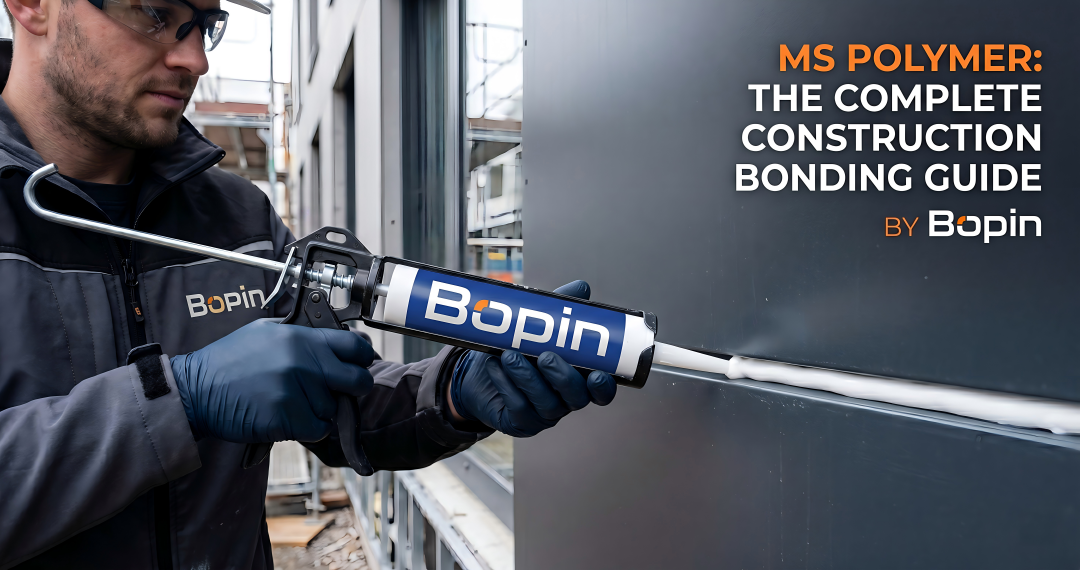
Expert guidance from BoPin Construction Chemicals – protecting homes from moisture damage
Why Wet Area Waterproofing Determines Long-Term Home Health
Stand in any bathroom or kitchen and consider what these spaces endure daily: gallons of water, steam condensation, temperature swings from cold to hot, aggressive cleaning chemicals, and constant humidity. These conditions would destroy most building materials within months without proper protection.
Waterproof sealing creates the invisible barrier protecting your home’s structural integrity and your family’s health. When done correctly, it prevents water from penetrating walls and floors where it causes rot, structural damage, and creates perfect conditions for mold growth. Quality waterproofing maintains indoor air quality by preventing the mold spores that trigger allergies and respiratory problems. It preserves property value by eliminating the expensive damage requiring major repairs.
But achieving reliable waterproofing requires more than simply applying any sealant to joints. Wet areas present unique challenges that general-purpose products cannot handle. Constant moisture exposure, chemical attack from cleaners, temperature cycling, and biological growth pressures demand specialized formulations and proper installation techniques. Using inappropriate products or cutting corners on application leads to failures that start small but cascade into major problems requiring complete renovation.
This comprehensive guide provides everything homeowners and contractors need to know about bathroom and kitchen waterproofing. You’ll understand what makes wet area sealants different from standard products, learn proper selection criteria for specific applications, and master installation techniques ensuring decades of reliable protection. Whether you’re sealing a new shower installation, renovating a bathroom, or maintaining kitchen countertops, this guide delivers actionable knowledge for lasting results.
The outcome? Confidence in selecting and applying waterproof sealing that protects your home investment while maintaining healthy, mold-free living spaces.
Understanding Wet Area Waterproofing Technology
Specialized wet area sealants represent sophisticated chemistry specifically engineered for moisture challenges that would destroy standard products.
What Makes Wet Area Silicone Different
Many people assume any silicone sealant provides waterproofing. This dangerous misconception leads to failures requiring expensive remediation.
Standard silicone sealants:
- Designed primarily for general construction sealing
- Limited anti-mold protection (often none)
- Moderate chemical resistance
- May contain fungicides with limited longevity
- Not optimized for continuous water exposure
Professional wet area silicones:
- Specifically formulated for continuous moisture exposure
- Advanced anti-mold technology with long-term stability
- Superior chemical resistance against cleaning products
- Enhanced flexibility in constantly wet conditions
- Rapid waterproofing development (30 minutes initial barrier)
- Safe for food-contact surfaces (kitchen applications)
The chemistry difference matters:
Wet area silicones incorporate specialized biocides that prevent mold and mildew growth for years rather than months. These aren’t simple additives—they’re integrated into the silicone matrix where they resist being washed away by water or degraded by cleaning chemicals.
Chemical resistance comes from carefully balanced formulations that resist both acidic cleaners (like bathroom descalers) and alkaline products (like kitchen degreasers) without softening, swelling, or losing adhesion.
Enhanced flexibility in wet conditions prevents the adhesive failure that plagues standard sealants when constantly exposed to moisture. The molecular structure maintains elastic recovery even when perpetually damp.
Produtos como BoPin 550 Silicone Neutro Sanitário exemplify professional wet area technology with XS1 highest sanitary class rating, rapid 30-minute waterproofing, and proven long-term mold resistance.
The Mold Problem: Why Anti-Mold Technology Is Essential
Mold in bathrooms and kitchens isn’t just unsightly—it’s a health hazard that indicates sealing failure.
How mold colonizes wet areas:
Mold spores are omnipresent in indoor air. In dry conditions, they remain dormant. But wet area conditions create perfect growth environments:
- Moisture: Constant or frequent water exposure
- Food source: Soap residue, body oils, organic contaminants
- Temperature: Warm conditions (20-30°C) optimal for growth
- Time: Just 24-48 hours for colonization to begin
Without anti-mold protection, even quality sealants fail:
Standard sealants provide smooth surfaces where mold spores land. Surface contaminants (soap, shampoo, body oils) create nutrition. Constant moisture triggers germination. Within weeks, visible mold colonies establish themselves.
Advanced anti-mold technology prevents this cycle:
Professional wet area silicones incorporate biocides that migrate to the surface and create an environment hostile to fungal growth. These aren’t simple additives that wash away—they’re chemically bonded to the silicone matrix for long-term effectiveness.
Sanitary classification standards:
ISO 16000 establishes fungicidal efficacy classes:
- XS1: Highest sanitary class—strongest long-term protection
- XS2: Standard sanitary class—good protection
- No rating: No tested anti-mold properties
For bathrooms and kitchens, XS1 classification isn’t optional—it’s essential for reliable long-term protection. Products like BoPin 550 Silicone Sanitário achieve XS1 rating through advanced biocide packages specifically engineered for wet area challenges.
Waterproofing Development Timeline
Understanding how waterproofing develops helps plan installations and prevent premature water exposure.
Skin formation (10-20 minutes): The sealant’s exposed surface cures first, creating an initial barrier that’s touch-dry. This prevents finger marks and allows masking tape removal but doesn’t provide waterproofing yet.
Initial waterproofing (30 minutes – 2 hours): Quality wet area silicones develop basic water-shedding properties within 30 minutes under good conditions (20-25°C, 50% RH). Light water contact (hand washing) won’t cause problems, but avoid heavy water exposure.
Working waterproofing (4-8 hours): After 4 hours, the sealant provides reliable waterproofing against normal use. Showers can be used carefully, avoiding direct high-pressure spray on fresh sealant.
Full cure (24-48 hours): Complete crosslinking develops maximum chemical resistance and flexibility. After 24-48 hours, the installation can handle any normal use including pressure washing and aggressive cleaning.
Factors affecting cure timeline:
- Temperature: Cold slows cure dramatically; warmth accelerates it
- Humidity: Higher humidity speeds moisture-cure silicones
- Joint depth: Deep joints cure slower than thin applications
- Ventilation: Air circulation aids curing in enclosed spaces
Melhores práticas: Wait full 24 hours before normal shower use, 48 hours before aggressive cleaning, regardless of initial cure speed.
Bathroom Waterproofing Applications
Different bathroom areas present unique waterproofing challenges requiring specific approaches.
Shower Enclosure Sealing
Shower enclosures represent the most demanding waterproofing application in residential construction.
Pontos críticos de vedação:
Base to wall connection: The joint where shower base meets walls receives direct water spray and must handle flexing as people step into the shower. This critical junction requires complete waterproofing—any gap creates catastrophic water penetration.
Wall panel joints: Vertical joints between wall panels or tiles channel water downward. Even small gaps accumulate water that eventually penetrates. These joints require continuous, void-free sealant application.
Corners: Inside corners concentrate stress and often show first failures. Proper corner technique differs from straight joints—triangular bead profile with adequate contact on both surfaces ensures reliable waterproofing.
Door or curtain connections: Fixed shower glass panels require perimeter sealing. Door tracks and frames need careful sealing to prevent water escape. These areas experience water pressure and must resist both penetration and mold growth.
Fixture penetrations: Shower valves, heads, and accessories penetrate waterproof surfaces. Every penetration requires complete sealing to prevent water accessing wall cavities where damage occurs unseen.
Professional shower sealing technique:
- Complete old sealant removal: Cut along both edges of existing sealant, peel out completely. Scrape away all residue—even thin films prevent new sealant adhesion.
- Thorough surface cleaning: Remove all mold, mildew, soap scum, and body oils using appropriate cleaner. Rinse completely and allow surfaces to dry thoroughly.
- Joint inspection: Verify gaps are appropriate width (6-10mm ideal). Gaps narrower than 6mm are difficult to fill properly; wider than 15mm may require backing material.
- Masking tape application: Place tape 2-3mm from joint edges for clean, professional appearance. Use quality painter’s tape that removes cleanly.
- Sealant application: Cut nozzle at 45-degree angle sized for joint width. Apply continuous bead with consistent pressure, avoiding gaps or air bubbles.
- Tooling: Within 5-10 minutes, tool joint with wet finger or spatula to compress sealant into joint and create smooth concave profile. Work continuously to avoid visible stops and starts.
- Tape removal: Remove masking tape immediately after tooling, before any skin formation. Pull at 45-degree angle for clean edges.
- Cure protection: Prevent water contact for minimum 4 hours; wait 24 hours before normal shower use.
Special considerations for tile showers:
Tile corners require special attention. Rather than attempting to seal the actual corner angle, create a small chamfer (3-4mm) using grout first, then seal over this prepared surface. This provides adequate surface contact for reliable adhesion.
Bathtub Installation and Sealing
Bathtub perimeter sealing presents unique challenges due to weight-induced flexing.
The flexing problem:
Standard bathtubs flex noticeably when filled with water and occupied—potentially 5-10mm of downward movement at the center. This movement stresses perimeter sealant joints. Sealants must accommodate this flexing thousands of times without adhesive failure.
Proper bathtub sealing sequence:
- Fill tub completely: Before sealing, fill tub with water to simulate in-use weight. This ensures the tub is in its “flexed” position during sealing.
- Clean and prep: Clean tub flange and wall surfaces thoroughly. Dry completely.
- Apply sealant: With tub still full, apply continuous sealant bead around entire perimeter.
- Tool immediately: Create smooth, concave profile while tub remains full.
- Cure with weight: Leave water in tub for minimum 4-8 hours during initial cure. This allows sealant to cure in the stressed position.
- Drain and allow full cure: After initial cure, drain tub and allow complete 24-48 hour cure before use.
Por que isso é importante: Sealing an empty tub creates joints that are already in maximum tension when the tub fills and flexes. This causes premature failure. Sealing with weight maintains joint integrity through flexing cycles.
Tub-to-wall joint design:
The gap between tub flange and wall should be 6-10mm. Gaps narrower than 6mm don’t provide adequate sealant volume for flex accommodation. Gaps wider than 10mm may indicate improper tub installation requiring correction.
Toilet Base Sealing
Toilet base sealing prevents water accumulation that damages flooring and creates odor problems.
Controversy: To seal or not to seal?
Professional opinions differ on completely sealing toilet bases. Arguments exist for both approaches:
Complete sealing advocates argue:
- Prevents water and cleaning solution from seeping under toilet
- Blocks odors from wax ring area
- Creates cleaner, more finished appearance
- Prevents dust and debris accumulation
Partial sealing advocates argue:
- Leaving back portion unsealed allows leak detection
- Complete seal can hide wax ring failures until major damage occurs
- Easier future toilet removal if back isn’t sealed
Professional compromise: Seal approximately 75% of base perimeter, leaving 25% at back unsealed. This prevents normal splashing and cleaning water from seeping under while allowing wax ring leak detection before major damage occurs.
Técnica de aplicação:
- Clean base and floor thoroughly
- Apply thin, neat bead around visible portions
- Tool to create smooth, professional appearance
- Avoid excessive sealant that creates visible buildup
Vanity and Countertop Sealing
Bathroom vanity countertops require sealing at multiple interfaces.
Countertop to wall joint: This highly visible joint requires neat application with aesthetic considerations. The joint prevents water running down walls behind countertops where it damages wall structures and creates mold growth.
Backsplash installation: Bathroom backsplashes (especially around sinks) need complete perimeter sealing. Water splashing during hand washing penetrates any gaps and damages walls.
Sink mounting: Undermount and drop-in sinks require complete perimeter sealing. Poor sink sealing allows water accumulation in cabinet below, creating mold and rotting cabinet materials.
Natural stone vanity considerations:
Marble and granite vanity tops require non-staining sealants. Standard silicones can cause dark discoloration on porous light-colored stone. Products like BoPin 635 Silicone de Pedra Natural provide true non-staining performance tested per ASTM C1248 standards.
Kitchen Waterproofing Applications
Kitchen wet areas demand chemical resistance beyond bathroom requirements due to food acids and aggressive degreasers.
Kitchen Sink Installation
Sink perimeter sealing prevents the most common source of kitchen water damage.
Undermount sink sealing:
Undermount sinks hide their mounting under countertop overhangs, but require complete perimeter sealing where sink rim contacts countertop underside.
Installation sequence:
- Test-fit sink to verify proper positioning and support
- Apply continuous sealant bead to sink rim
- Press sink into position and secure with mounting hardware
- Verify excess sealant squeezes out continuously around entire perimeter (indicates complete contact)
- Clean excess from visible areas immediately
- Allow 24-hour cure before plumbing connection and use
Drop-in sink sealing:
Drop-in (top-mount) sinks require visible sealant joints that must be neat and professional-looking.
Installation sequence:
- Cut sink opening precisely per sink specifications
- Apply sealant bead to countertop opening lip OR sink rim (not both—creates squeeze-out problems)
- Set sink carefully into opening
- Verify sink sits flat with even reveal all around
- Tool visible joint neatly for professional appearance
- Clean any squeeze-out immediately
- Allow full cure before plumbing connection
Common sink sealing mistakes:
Over-application: Excessive sealant creates visible squeeze-out that’s difficult to clean and looks unprofessional. Apply moderate bead—it compresses during installation.
Under-application: Inadequate sealant leaves voids where water penetrates. Complete continuous bead is essential.
Moving sink during cure: Repositioning sink after sealant application breaks initial bonds. Test-fit thoroughly before applying sealant.
Countertop Backsplash Sealing
Kitchen backsplash joints seal against water, grease, and food splatters.
Countertop to wall joint:
This critical joint prevents water and cleaning solutions from running down walls behind countertops. Even small gaps accumulate moisture that damages walls and creates mold.
Considerações sobre a candidatura:
- Joint width varies with wall flatness (typically 3-8mm)
- Smaller joints look neater but require more careful application
- Color matching to countertop or backsplash improves aesthetics
- Neat tooling essential—this joint is highly visible
Backsplash panel joints:
Tile backsplashes require joint sealing between wall and first tile row, at countertop penetrations, and at wall corners.
Stone backsplash concerns: Natural stone backsplashes (especially marble and light granite) require verified non-staining sealants. Test on actual material before full application or use proven non-staining formulations like BoPin 635 Silicone de Pedra Natural.
Dishwasher and Appliance Connections
Built-in appliances create waterproofing challenges at penetrations and edges.
Dishwasher installation:
The gap between dishwasher front and countertop requires sealing to prevent water and steam penetration. This joint experiences heat and humidity from dishwasher operation.
Refrigerator water line penetrations:
Where water lines penetrate walls or cabinets, complete sealing prevents moisture accumulation in wall cavities if slow leaks develop.
Range and cooktop installations:
Kitchen appliances create gaps where food, grease, and cleaning solutions accumulate. While not purely waterproofing, proper sealing maintains kitchen hygiene and prevents problems.
Application Techniques for Professional Results
Proper technique separates reliable, long-lasting installations from premature failures.
Surface Preparation: The Critical Foundation
Surface preparation determines 70-80% of waterproofing success. No amount of product quality compensates for contaminated surfaces.
Complete old sealant removal:
Silicone doesn’t adhere to cured silicone. Complete removal of every trace of old material is mandatory.
Removal technique:
- Cut both sides: Use sharp utility knife to cut along both edges of existing sealant bead
- Pull out bulk: Grasp exposed sealant and pull out main bead
- Scrape residue: Use razor blade scraper to remove remaining film
- Solvent wipe: Clean with isopropyl alcohol to remove final traces
- Verification: Run finger along joint—should feel completely smooth without any slick or rubbery feeling
Remoção de mofo e bolor:
Any existing mold must be killed and removed before new sealant application. Surface mold creates a contamination layer preventing adhesion.
Cleaning procedure:
- Apply mold-killing cleaner (bleach solution or commercial mold remover)
- Allow adequate contact time per product instructions
- Scrub with stiff brush to remove dead mold and residues
- Rinse thoroughly with clean water
- Allow complete drying (critical—sealant won’t adhere to damp surfaces)
Oil and soap residue removal:
Bathroom and kitchen surfaces accumulate invisible films from body oils, soaps, and cleaning products. These films prevent sealant adhesion.
Effective cleaning:
- Use isopropyl alcohol or dedicated silicone surface prep
- Multiple wipes with fresh cloths until cloth shows no residue
- Pay extra attention to areas near soap dishes, shampoo shelves
- Allow complete solvent evaporation before sealant application
Dryness verification:
Moisture at the bond interface causes catastrophic adhesion failure. Surfaces must be completely dry.
Verification methods:
- Visual inspection (darker color indicates moisture)
- Touch test (should feel dry, not cool or damp)
- Time allowance (minimum 24 hours after cleaning if wet methods used)
- In high-humidity environments, consider supplemental heating/ventilation
Proper Bead Application
Bead size and shape significantly affect waterproofing performance.
Joint width guidelines:
- Minimum: 6mm (narrower joints difficult to fill properly)
- Optimal: 8-10mm (best balance of appearance and performance)
- Maximum: 15mm (wider gaps may require backing rod)
Nozzle cutting: Cut cartridge nozzle at 45-degree angle sized appropriately for joint:
- 6mm joint: Cut nozzle leaving 4-5mm opening
- 10mm joint: Cut nozzle leaving 7-8mm opening
- Larger openings make control difficult; smaller openings require excessive pressure
Application pressure: Maintain steady, consistent pressure creating uniform bead width. Jerky movements or inconsistent pressure create voids and weak spots.
Continuous application: Never stop mid-joint then restart. Overlaps create weak interfaces. Plan to complete entire joint in one continuous application, or at least stop at natural break points (corners).
Técnicas de ferramentas profissionais
Tooling compresses sealant into joints, removes voids, and creates smooth, professional appearance.
Timing is critical:
- Too early: Bead hasn’t developed body; spreads and sags
- Too late: Skin formation prevents proper tooling; creates rough, uneven surface
- Optimal: Within 5-10 minutes for most wet area silicones
Tooling methods:
Wet finger method: Moisten finger with soapy water (1-2 drops dish soap per cup water). Run finger along joint with firm, even pressure in single, continuous motion. Re-wet and clean finger between passes.
Spatula/tool method: Plastic or metal tooling spatulas create consistent concave profiles. Maintain constant angle and pressure. Clean tool frequently.
Joint profile: Slightly concave profile sheds water and looks professional. Avoid flat or convex profiles that retain water.
Masking tape use:
Quality painter’s tape creates clean edges and professional appearance.
Técnica de aplicação:
- Apply tape 2-3mm from joint edges (not touching joint itself)
- Ensure tape adheres firmly without gaps
- Apply sealant and tool immediately
- Remove tape BEFORE any skin formation (within 1-2 minutes after tooling)
- Pull tape at 45-degree angle for cleanest edges
Common tooling mistakes:
Multiple passes: Excessive tooling disturbs curing sealant and creates rough texture. One or two smooth passes maximum.
Insufficient pressure: Light tooling doesn’t compress sealant into joint. Firm pressure ensures void-free filling.
Delayed tape removal: Allowing sealant to skin before tape removal creates ragged edges requiring rework.
Climate-Specific Considerations
Environmental conditions significantly affect application and long-term performance.
Tropical and Humid Climates (Southeast Asia, Coastal Regions)
High humidity presents advantages and challenges for wet area waterproofing.
Humidity benefits:
- Faster cure times (abundant moisture accelerates cure)
- More forgiving of minor surface moisture
- Consistent conditions year-round
- Reduced need for supplemental moisture
Potential challenges:
- Very rapid cure reduces working time
- Constant high humidity promotes mold on contaminated surfaces
- Monsoon rains can affect ventilation during cure
- Coastal salt exposure requires enhanced chemical resistance
Tropical climate best practices:
Schedule installations wisely:
- Avoid monsoon periods for major bathroom renovations
- Plan around weather forecasts for multi-day projects
- Ensure adequate ventilation despite rain concerns
Work efficiently:
- Reduced working time demands prepared surfaces and tools
- Complete joints quickly before accelerated skinning
- Have helpers ready for large projects
Enhance surface cleaning:
- Extra thorough cleaning removes organic contamination
- Consider anti-mold surface treatments before sealing
- Verify complete drying despite high humidity
Product selection: Produtos como BoPin 550 Silicone Sanitário are specifically formulated and tested for tropical high-humidity conditions, with enhanced mold resistance packages proven in Southeast Asian climates.
Hot, Dry Desert Climates (Middle East, North Africa)
Extreme heat and low humidity create different challenges.
Temperature effects:
- Extremely fast skin formation (sometimes <5 minutes)
- Dramatically reduced working time
- Surface temperatures may exceed product specifications
- Rapid moisture loss from substrates
Low humidity concerns:
- Slower overall cure despite fast skinning
- May require supplemental moisture for complete cure
- Very dry air can prevent optimal crosslinking
Desert climate strategies:
Application timing:
- Work during cooler morning or evening hours
- Avoid midday when surface temperatures peak
- Monitor actual surface temperature, not just air temperature
Moisture management:
- Lightly mist very dry surfaces before application
- Consider light misting of applied sealant (controversial but sometimes beneficial)
- Maintain humidity in work area if possible
Working time adaptation:
- Prepare everything before opening cartridge
- Work in short sections rather than entire perimeters
- Tool immediately after application—no delays
Cold Continental Climates (Central Asia, Northern Regions)
Cold temperatures dramatically slow cure and reduce workability.
Temperature limitations: Most wet area silicones specify +5°C minimum application temperature. Below this:
- Cure times extend 2-4× normal duration
- Cartridge material becomes thick and hard to apply
- Adhesion development may be compromised
- Working time actually extends (not necessarily beneficial)
Cold weather approaches:
Material conditioning:
- Store sealants at room temperature
- Keep in warm vehicle between applications
- Never apply material that’s been frozen
Substrate warming:
- Use temporary heating to bring surfaces above minimum temperature
- Ensure bathroom/kitchen is heated during application and cure
- Verify temperature at time of application
Extended cure times:
- Triple normal cure periods in cold conditions
- Don’t allow water exposure for 48+ hours
- Consider using space heaters to maintain temperature during cure
Common Problems and Solutions
Recognizing and preventing typical waterproofing failures.
Problem: Mold Growth Despite Anti-Mold Sealant
Sintomas: Black or colored spots appear on sealant surface, typically in corners or along edges, despite using anti-mold products.
Causas comuns:
- Inadequate ventilation: Even best products can’t overcome constantly wet, stagnant conditions
- Water behind sealant: Adhesion failure allows water penetration; mold grows on contaminated substrate, not sealant
- Contaminated substrate: Applying sealant over existing mold or organic residues
- Product expired or degraded: Old sealants may have lost biocide effectiveness
- Wrong product selection: General-purpose silicone lacking adequate mold protection
Soluções:
- Improve ventilation: Install or upgrade exhaust fans, use dehumidifiers, open windows
- Check for leaks: Look for adhesion failures allowing water behind sealant
- Complete removal: Remove all sealant, kill existing mold, clean thoroughly, reseal with fresh quality product
- Verify product: Use XS1-rated sanitary silicone like BoPin 550
Prevenção:
- Thorough surface preparation removing all contamination
- Adequate ventilation maintaining reasonable humidity levels
- Quality sanitary-rated products with proven mold resistance
- Regular cleaning preventing soap scum and residue buildup
Problem: Adhesion Failure (Sealant Peeling Away)
Sintomas: Sealant separates cleanly from substrate, typically starting at edges and progressing inward. Water penetrates behind sealant.
Causas comuns:
- Contaminated surfaces (most common): Oil, soap, old sealant residue prevents bonding
- Damp surfaces: Moisture at interface during application
- Incompatible materials: Some plastics, composites don’t bond without primers
- Insufficient cure before exposure: Water contact before adequate cure development
- Wrong product selection: Using non-wet-area silicone in demanding applications
Soluções:
- Complete removal required: Failed adhesion rarely improves; entire installation must be redone
- Investigate cause: Examine failed sealant and substrate—clean substrate indicates contamination; residue on both sides suggests cohesive failure
- Improved preparation: More thorough cleaning, longer drying time, verification of cleanliness
- Appropriate product: Use quality wet area silicone rated for continuous moisture exposure
Prevenção:
- Rigorous surface preparation with verification
- Complete removal of all old sealant and residues
- Adequate drying time after wet cleaning methods
- Appropriate products for application (sanitary-rated for wet areas)
- Proper cure time before water exposure
Problem: Discoloration or Staining
Sintomas: Sealant changes color—yellowing, darkening, or causing stains on adjacent materials (especially stone).
Causas comuns:
- UV exposure: Some sealants yellow with sunlight exposure
- Chemical attack: Aggressive cleaners damage sealant chemistry
- Material incompatibility: Sealant oils migrate into porous substrates
- Mold growth: Black discoloration from fungal colonization
- Water contamination: Minerals in water deposit on or in sealant
Soluções:
- Yellowing from UV: Primarily affects interior window sealants; less common in bathrooms
- Chemical damage: Switch to milder cleaners; some damage irreversible
- Stone staining: Requires complete removal and use of non-staining formulation
- Mold discoloration: Clean or replace; improve ventilation
Prevenção:
- Formulações que não mancham: Use proven products like BoPin 635 Silicone de Pedra Natural for porous materials
- Test compatibility: Apply small amount to inconspicuous area before full installation
- Appropriate cleaners: Use pH-neutral, silicone-safe cleaning products
- Adequate mold resistance: XS1-rated products resist fungal discoloration
Problem: Shrinkage or Joint Opening
Sintomas: Sealant appears to have pulled away from joint edges or shrunk, creating gaps where water penetrates.
Causas comuns:
- Overly deep joints: Sealant shrinks slightly during cure; deep joints show visible shrinkage
- Three-sided adhesion: Sealant bonded to joint bottom as well as sides concentrates shrinkage stress
- Application gaps: Initial voids appear as gaps after cure
- Joint movement exceeding capability: Substrate movement pulls sealant apart
- Contamination preventing adhesion: Poor initial bond fails under stress
Soluções:
- Minor gaps: Can sometimes be sealed over with new application if original adhesion good
- Significant shrinkage: Usually indicates underlying problem requiring complete removal and proper reinstallation
Prevenção:
- Proper joint depth: Use backing rod in deep joints to control depth to 2:1 width:depth ratio
- Three-sided adhesion avoidance: Backing rod or bond breaker tape on joint bottom
- Complete filling: Apply adequate sealant to fill joint without voids
- Movement accommodation: Ensure product capability exceeds expected movement
- Surface preparation: Thorough cleaning for reliable adhesion
Product Selection Guide
Choosing optimal waterproofing products for specific applications.
Decision Matrix
Standard bathroom showers and tubs: BoPin 550 Silicone Neutro Sanitário
- XS1 highest sanitary class mold resistance
- 30-minute initial waterproofing
- Superior chemical resistance
- Safe for all common bathroom materials
Natural stone bathrooms (marble, granite, limestone): BoPin 635 Silicone de Pedra Natural
- ASTM C1248 tested non-staining formulation
- XS1 sanitary class mold resistance
- Safe for sensitive, porous stones
- Prevents discoloration that standard silicones cause
Kitchen sinks and countertops: BoPin 550 Silicone Neutro Sanitário
- Food-safe after complete cure
- Chemical resistance against cleaners and food acids
- Clear or color-matched options
- Mold resistance maintains hygiene
General-purpose bathroom sealing: BoPin 122 Neutral Silicone
- Versatile neutral-cure formulation
- Good mold resistance for less-demanding applications
- MEKO-free environmental safety
- Economical for large projects
Quality Indicators
When evaluating wet area sealants, look for:
Sanitary classification:
- XS1 rating indicates highest mold resistance
- XS2 provides good protection but shorter effective life
- No rating means limited or no anti-mold properties
Neutral cure system:
- Safe for mirrors, metals, stone
- No corrosive odors during cure
- Universal material compatibility
Low VOC content:
- <40 g/L indicates quality formulation
- Safer for indoor air quality
- Meets green building requirements
MEKO-free formulation:
- Eliminates questionable biocide
- Environmentally preferred
- Increasingly required by building standards
Manufacturer specifications:
- Clear application temperature ranges
- Defined cure times
- Movement capability ratings
- Specific material compatibility information
Perguntas mais frequentes
How long does bathroom silicone sealant last?
Quality wet area silicone properly installed lasts 15-20 years in bathrooms. Inferior products or poor installation may fail within 2-5 years.
Longevity factors:
- Product quality and sanitary rating (XS1 lasts longest)
- Installation quality (proper surface preparation critical)
- Ventilation (good airflow extends life)
- Cleaning practices (harsh chemicals accelerate degradation)
- Water exposure intensity (daily shower use more demanding than guest bathroom)
Replacement indicators: Visible mold growth that won’t clean, adhesion failure (peeling edges), hardening or cracking, discoloration, or simply reaching 15-20 year age suggests replacement even if appearance seems adequate.
Can I apply new silicone over old silicone?
No, never apply new silicone over old. Silicone doesn’t adhere to cured silicone. Any attempt to seal over existing material will fail, typically within weeks or months.
Why it doesn’t work: Cured silicone presents a low-energy surface that prevents chemical bonding. New silicone may initially appear bonded but lacks true adhesion. Movement, water exposure, or cleaning breaks this weak interface.
Proper procedure: Complete removal of ALL old sealant is mandatory. Cut along both edges, peel out main bead, scrape away every trace of residue, clean with solvent, verify cleanliness, then apply new sealant to properly prepared surfaces.
What’s the best color for bathroom silicone?
Color selection depends on design preferences:
Clear/translucent:
- Becomes virtually invisible when applied neatly
- Works with any color scheme
- Shows less visible dirt than colored options
- May show slight yellowing over many years
White:
- Provides crisp, clean finished appearance
- Matches white fixtures and grout
- Most popular choice for traditional bathrooms
- Shows mildew quickly if ventilation inadequate
Color-matched:
- Custom colors match tile, stone, or fixtures
- Creates seamless, integrated appearance
- More expensive and limited availability
- Required for some high-end installations
Performance is essentially identical across colors—choose based on aesthetic preferences and design requirements.
How soon can I shower after applying silicone?
Minimum waiting times:
- Light use: 4 hours (light spray, careful use)
- Uso normal: 24 hours (regular showering)
- Heavy use: 48 hours (pressure washing, aggressive cleaning)
These timelines assume good conditions (20-25°C, moderate humidity). Cold temperatures extend times substantially. Very hot or humid conditions may allow slightly earlier use but waiting full recommended time ensures best results.
Risk of premature use: Water exposure before adequate cure can wash away uncured sealant, prevent complete waterproofing development, reduce final adhesion, or allow water penetration requiring complete reinstallation.
Melhores práticas: Plan installations allowing full 24-48 hour cure before use, even if product claims faster performance.
Why does my bathroom sealant keep failing?
Persistent sealant failure indicates underlying problems, not just bad luck.
Common root causes:
Inadequate ventilation: Even the best sealants fail prematurely in constantly wet, poorly ventilated bathrooms. Exhaust fans running during and after shower use dramatically extend sealant life.
Poor surface preparation: Rushing preparation or inadequate cleaning creates weak adhesion that fails repeatedly. Investing time in thorough preparation solves most recurring failure problems.
Wrong product selection: Using general-purpose silicone instead of sanitary-rated products, or inappropriate products for specific materials (standard silicone on natural stone).
Excessive movement: Improperly supported bathtubs or shower bases that flex excessively stress sealant beyond its capability.
Soluções:
- Install or upgrade exhaust ventilation
- Remove and prepare surfaces more thoroughly
- Use quality XS1-rated sanitary silicone
- Address structural issues causing excessive movement
- Consider professional installation if DIY attempts repeatedly fail
Conclusion: Protecting Your Home Through Professional Waterproofing
Bathroom and kitchen waterproofing represents the invisible protection determining whether your home remains structurally sound and healthy or suffers progressive moisture damage requiring expensive remediation. The difference between success and failure often comes down to using appropriate products and following proper installation procedures.
Keys to lasting waterproofing success:
Understand wet area demands: Bathrooms and kitchens face challenges that destroy standard products. Specialized wet area silicones with XS1 sanitary ratings and proven mold resistance are essential, not optional.
Invest in surface preparation: Thorough cleaning, complete old sealant removal, and adequate drying determine 70-80% of long-term success. Rushing preparation is the most common cause of premature failure.
Use proven products: XS1-rated sanitary silicones like BoPin 550 Silicone Neutro Sanitário incorporate advanced anti-mold technology tested and proven in demanding wet area applications.
Master application techniques: Proper bead size, thorough tooling, and adequate cure time ensure waterproofing develops completely and lasts for decades.
Address ventilation: Even the best products fail prematurely in constantly wet conditions without adequate ventilation. Exhaust fans and moisture control extend sealant life dramatically.
Consider stone protection: Natural stone bathrooms and kitchens require verified non-staining formulations like BoPin 635 Silicone de Pedra Natural to prevent the discoloration that damages expensive materials.
The professional standard: Understanding wet area waterproofing technology and mastering proper installation techniques protects your home investment while maintaining healthy indoor environments free from mold and moisture damage.
Whether you’re installing a new shower, renovating a bathroom, sealing kitchen countertops, or maintaining existing wet areas, proper product selection and professional application create waterproof barriers that protect your home for decades.
For technical support in selecting optimal waterproofing products and developing project-specific installation procedures, BoPin Construction Chemicals provides direct access to experienced specialists who understand both the products and the unique challenges of your applications and climate conditions.
Artigos relacionados: