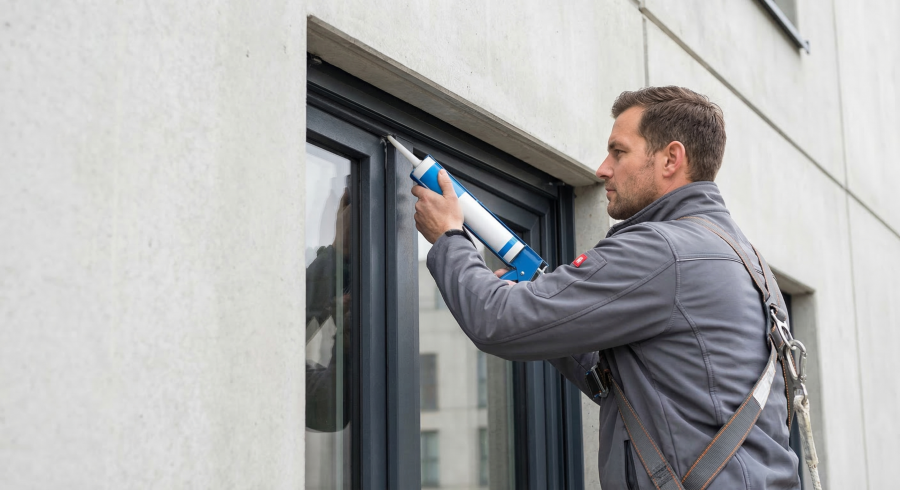
Concrete cracks appear in nearly every structure, but knowing when to repair them and choosing the right method determines whether your fix lasts years or fails within months. Using the wrong repair materials or techniques wastes time and money while allowing minor problems to become major structural issues.
Understanding crack types, selecting appropriate sealants, and applying proper repair methods protects your concrete investment and prevents costly damage. Whether you’re maintaining infrastructure in desert heat, tropical humidity, or temperature extremes, the right approach delivers reliable, long-lasting results.
Understanding Concrete Crack Types and Causes
Not all concrete cracks are equal – different types require different repair approaches. Misidentifying crack type leads to inappropriate repairs that fail quickly.

Structural vs. Non-Structural Cracks
Structural cracks threaten building integrity and require professional engineering assessment. These cracks often appear suddenly, widen rapidly, or accompany other distress signs like displacement or tilting.
Structural crack indicators include:
- Crack width exceeding 6mm suggests significant stress or movement
- Diagonal cracks at 45-degree angles often indicate foundation settlement or shear stress
- Horizontal cracks in walls may signal serious lateral pressure problems
- Stair-step cracking in masonry typically follows mortar joints and indicates foundation issues
- Vertical displacement where one side of the crack is higher than the other
Non-structural cracks, while unsightly, don’t compromise building safety. These cracks result from concrete’s natural shrinkage, minor settlement, or surface issues. Most non-structural cracks can be successfully repaired with proper sealants and techniques.
Non-structural crack characteristics:
- Crack width under 3mm typically indicates minor shrinkage or surface tension
- Random pattern cracks often result from curing issues or surface stress
- Stable cracks that don’t widen over time are usually non-structural
- Uniform crack depth without progressive deepening
Common Crack Causes
Understanding why cracks form helps prevent recurrence after repair. Different causes require different prevention strategies alongside the repair work.
Plastic shrinkage cracks appear within hours of concrete placement as surface moisture evaporates faster than replacement moisture rises from below. These fine surface cracks develop distinctive patterns – often parallel or map-like – and typically don’t penetrate deeply.
Drying shrinkage cracks develop over weeks to months as concrete loses moisture and contracts. All concrete shrinks during curing, but proper joint placement and reinforcement control where cracking occurs. Without adequate joints, random cracks appear as concrete seeks relief from internal stresses.
Thermal stress cracks result from temperature differentials within concrete masses. Large pours generate significant heat during curing, creating internal temperature gradients. Rapid surface cooling while the interior remains hot produces thermal stress cracks. In desert and tropical climates, extreme daily temperature swings intensify this problem.
Settlement cracks occur when underlying soil moves or compacts unevenly. Different soil types settle at different rates, creating differential movement that concrete cannot accommodate without cracking. Poor compaction during construction virtually guarantees eventual settlement cracking.
Overload cracks result from loads exceeding design capacity. Structural modifications, equipment installation, or simply increased use beyond original design creates stress that manifests as cracking. These cracks often appear in predictable patterns related to load points.
Corrosion-induced cracks develop when embedded reinforcing steel rusts and expands. Steel corrosion produces oxide that occupies more volume than original metal, creating internal pressure. This pressure cracks concrete from the inside out, often in linear patterns following rebar placement.
Active vs. Dormant Cracks
Determining whether cracks are active or dormant is critical to repair planning. Active cracks continue moving and require flexible sealants or structural solutions. Dormant cracks have stabilized and accept rigid or flexible repairs depending on other factors.
Testing for crack activity:
- Monitor crack width over several weeks using crack gauges or marked reference points
- Temperature-related movement indicates thermally active cracks requiring flexible sealants
- Seasonal movement patterns suggest moisture or freeze-thaw effects
- Progressive widening without cycling indicates ongoing structural problems requiring engineering intervention
Dormant crack identification:
- Stable measurements over 4-6 weeks suggest the crack has stabilized
- Old cracks with weathered edges and debris accumulation typically aren’t actively growing
- Cracks that appear during construction but stabilize after completion often remain dormant

Evaluating Crack Severity and Repair Urgency
Proper crack assessment determines repair priority and method selection. Some cracks demand immediate attention while others can wait for scheduled maintenance.
Immediate Repair Situations
Certain crack conditions require prompt repair to prevent rapid deterioration or safety issues. Delaying repairs in these situations allows minor problems to escalate into major expenses.
Water infiltration through cracks accelerates damage exponentially. Water reaching reinforcing steel initiates corrosion that progressively worsens the problem. In freeze-thaw climates, water-filled cracks experience powerful destructive forces. Even in warm climates, water infiltration damages substrates and creates conditions for biological growth.
Actively widening cracks signal ongoing structural movement. Cracks that grow measurably month-to-month indicate problems that won’t self-correct. Early intervention often prevents the need for much more expensive structural repairs later.
Cracks showing signs of concrete spalling or delamination need immediate attention. Once concrete begins breaking away around cracks, deterioration accelerates rapidly. The exposed surfaces weather faster and the damage spreads to adjacent areas.
Cracks compromising waterproofing systems require urgent repair. In basement walls, water tanks, or any structure where water barrier integrity matters, crack repairs become priorities. Even small leaks can cause extensive secondary damage over time.
Scheduled Maintenance Repairs
Many concrete cracks, while requiring eventual repair, don’t demand immediate action. These can be addressed during planned maintenance cycles without risk of rapid deterioration.
Stable hairline cracks under 1mm wide that show no progression over several months typically fall into this category. These cracks may be primarily cosmetic concerns unless they occur in critical waterproofing applications.
Surface-only cracks that don’t penetrate to reinforcing steel or compromise structural integrity can often wait for convenient repair timing. However, these should be monitored to ensure they remain stable and don’t develop into more serious problems.
Cracks in non-critical locations like storage areas, utility spaces, or secondary structures may be lower priority than those in occupied spaces or weather-exposed locations. Prioritize repairs based on consequences of failure and exposure conditions.
Crack Width Guidelines
Crack width provides important clues about appropriate repair methods and urgency. Different width ranges typically respond to different treatment approaches.
Hairline cracks (under 0.5mm) are extremely fine and may not require repair unless they occur in waterproofing applications or show signs of activity. When repair is needed, specialized low-viscosity sealants that can penetrate these tight spaces work best.
Fine cracks (0.5-3mm) represent the majority of non-structural repairs. Quality flexible sealants handle these cracks effectively when properly applied. This width range responds well to standard crack repair techniques and materials.
Medium cracks (3-6mm) require more substantial repair approaches. These cracks may need routing to create proper geometry for sealant application. The wider opening allows for better sealant penetration and adhesion surface area.
Wide cracks (over 6mm) often indicate structural issues requiring engineering review. Even if assessment determines them non-structural, these cracks need routing and possibly multi-stage repair with backer materials and compatible sealants.
Selecting the Right Repair Materials
The concrete repair market offers numerous products, but understanding which materials suit different crack types prevents expensive failures. Matching sealant properties to crack characteristics and service conditions ensures lasting repairs.
Flexible Sealants for Dynamic Cracks
Cracks that experience ongoing movement require sealants that can elongate and compress without losing adhesion. Rigid repairs in moving cracks fail quickly as the movement tears the repair material loose or causes it to crack.
Polyurethane sealants provide excellent flexibility and strong adhesion to concrete. These sealants handle joint movement effectively and resist weathering, making them suitable for exterior crack repairs. However, UV exposure can degrade some polyurethane formulations, so ensure exterior products include UV stabilizers.
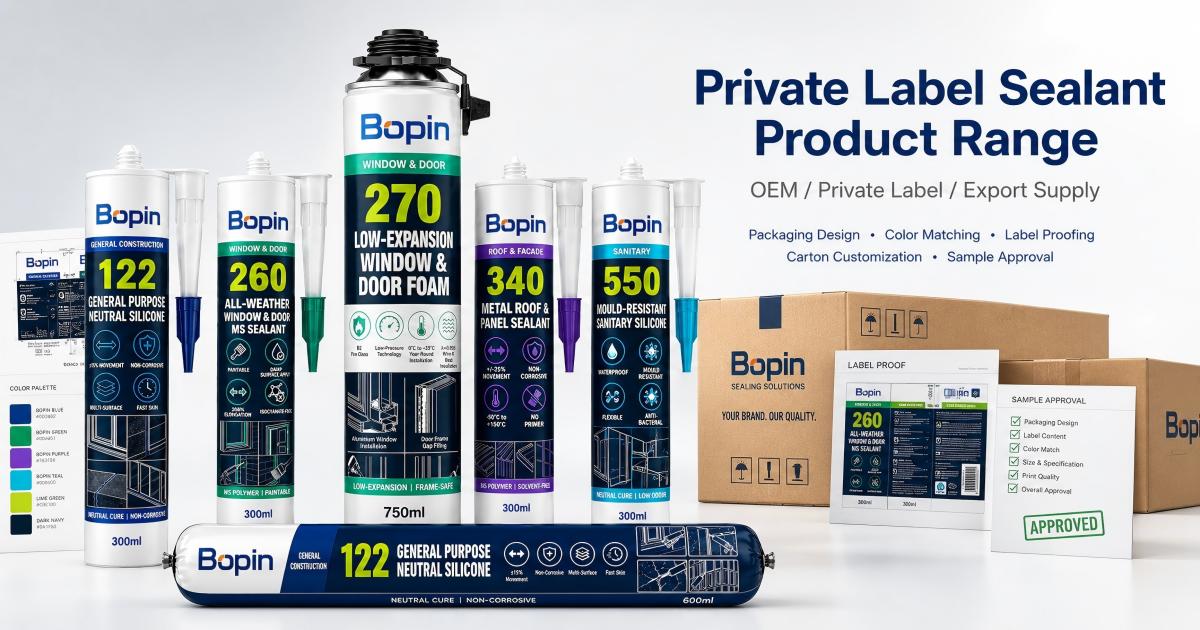
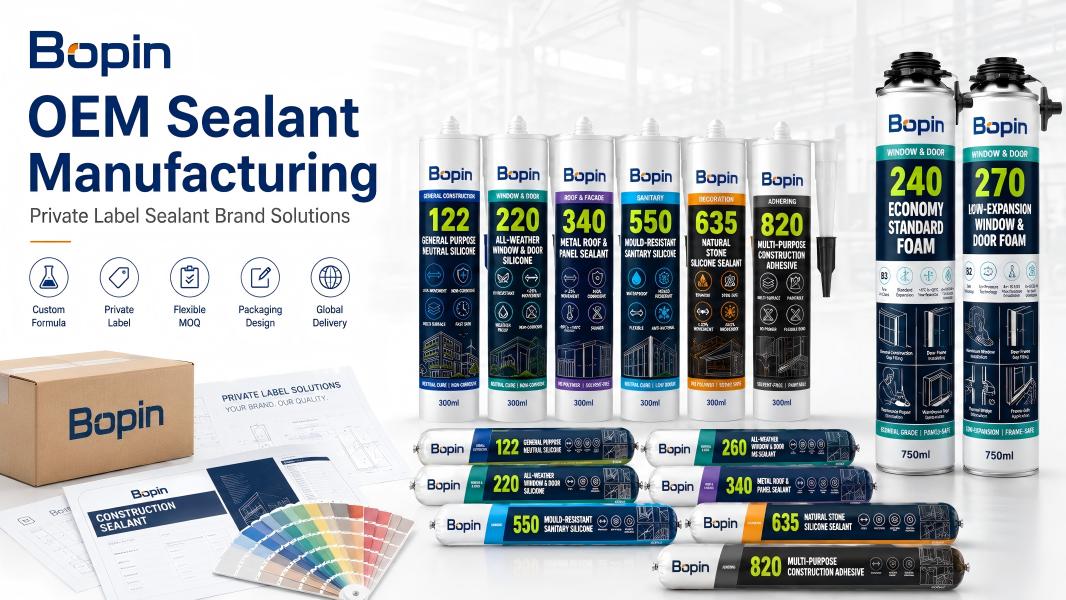
Silicone sealants excel in extreme temperature conditions and offer superior weathering resistance. For concrete cracks in harsh climates – whether desert heat or tropical humidity – neutral-cure silicones like BoPin 122 Silicona neutra de uso general provide reliable long-term performance. Their wide temperature range and excellent UV resistance make them ideal for exposed concrete repairs.
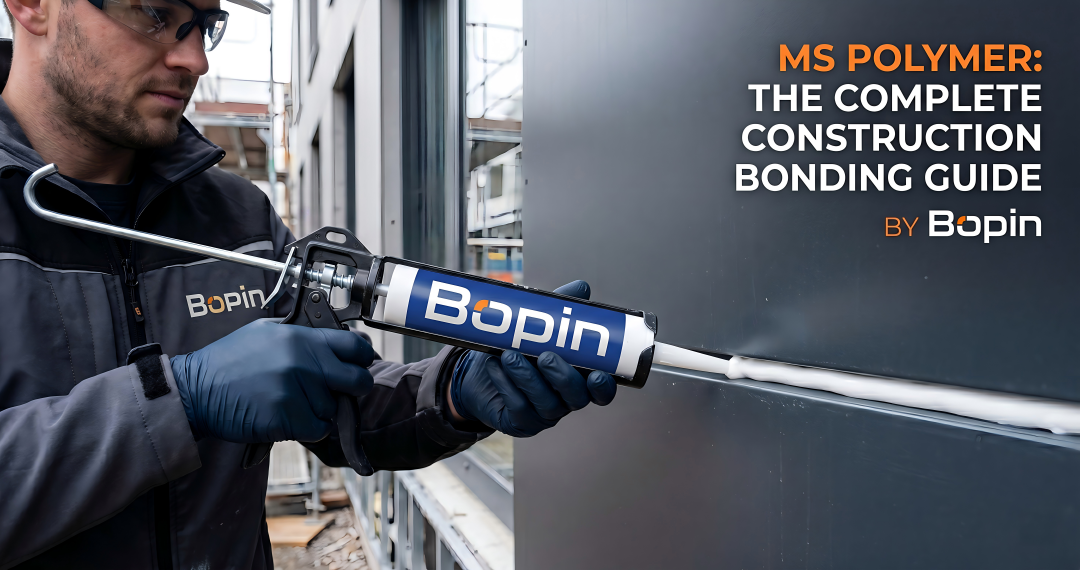
MS polymer sealants combine advantages of both silicones and polyurethanes. Productos como Polímero MS multiusos BoPin MS-220 bond to concrete without primers, remain paintable after curing, and offer excellent flexibility. This versatility makes MS polymers particularly useful when crack repairs must blend visually with surrounding surfaces.
Movement capability determines sealant suitability. For actively moving cracks, select products rated for at least ±25% movement capability. In high-stress situations like expansion joints or areas subject to extreme temperature cycling, ±50% movement capability provides better reliability.
Epoxy for Structural Repairs
Structural cracks or situations requiring restoration of concrete’s original strength demand epoxy injection. Epoxies bond concrete together at molecular level, essentially re-welding cracked sections.
Low-viscosity epoxy formulations penetrate deep into fine cracks. These specialized products can fill cracks as narrow as 0.1mm, creating repairs stronger than surrounding concrete. For structural restoration, epoxy injection remains the gold standard.
Epoxy injection requires professional equipment and expertise. Pressure injection ensures complete crack filling without voids. Surface ports installed along crack length allow systematic injection from bottom to top, eliminating air pockets.
Temperature sensitivity affects epoxy performance. Most epoxies require specific temperature ranges during application and curing. In extreme climates, temperature-modified formulations or climate-controlled application may be necessary.
Concrete Patching Compounds
Wider cracks and surface damage often require patching compounds before final sealing. These materials fill larger voids and provide stable substrate for finish sealants.
Polymer-modified patching compounds offer improved adhesion and flexibility compared to plain cement mixes. The polymer modification reduces shrinkage and improves durability in exposed conditions. These products work well for preparing crack repairs before applying flexible sealants.
Fast-setting compounds help in situations requiring rapid return to service. However, faster set times often mean reduced working time and potentially lower ultimate strength. Select setting speed based on actual project requirements rather than convenience alone.
Matching thermal expansion characteristics between patch material and existing concrete improves long-term performance. Significant mismatch creates new stress points that may cause additional cracking around repairs.
Sealant Selection by Climate
Environmental conditions dramatically affect which sealants perform reliably. Products successful in temperate climates may fail rapidly in extreme heat, humidity, or temperature cycling.
Desert climate considerations: Extreme heat and UV exposure demand sealants with exceptional thermal stability. Surface temperatures on dark concrete in desert sun can exceed 70°C. Silicone sealants generally handle these conditions better than polyurethanes. Consider enhanced products like BoPin 380 Sellador de fachadas resistente a la intemperie for the most demanding desert applications.
Tropical climate requirements: High humidity, intense UV, and constant temperature cycling require sealants with anti-fungal protection and excellent weathering resistance. Moisture-cure sealants like silicones and MS polymers actually benefit from high humidity, curing faster and more completely. However, anti-microbial additives become essential to prevent mold and algae growth on sealant surfaces.
Temperature-cycling environments: Locations experiencing wide daily or seasonal temperature swings stress crack sealants through repeated expansion and compression. Sealants must maintain flexibility and adhesion through hundreds of thermal cycles. Movement capability becomes especially critical in these conditions.
Crack Repair Methods and Application Techniques
Proper surface preparation and application technique matter as much as material selection. Even premium sealants fail when applied incorrectly.
Fundamentos de la preparación de superficies
Clean, dry, sound concrete is essential for successful crack repairs. Contamination prevents adhesion, moisture interferes with curing, and weak surface layers cause adhesive failure.
Remove all loose material, dust, and debris from cracks. Wire brushing, compressed air, or vacuum cleaning – often all three in sequence – removes contamination. For serious repairs, grinding or sandblasting may be necessary to expose sound concrete.
Oil, grease, and chemical contamination must be removed completely. Solvents appropriate to the contamination type, followed by thorough rinsing, typically handle these problems. Allow adequate drying time after solvent cleaning before sealant application.
Check concrete moisture content using moisture meters or plastic sheet tests. Most sealants require relatively dry concrete for proper adhesion. In humid climates or recent wet conditions, extended drying time may be necessary.
Profile crack surfaces when appropriate. Smooth, troweled crack faces may need light sandblasting or grinding to create mechanical tooth for better sealant adhesion. However, avoid over-profiling that creates difficult-to-fill geometries.
Crack Routing and Preparation
Creating proper crack geometry improves sealant performance and longevity. The traditional approach routes cracks to create reservoir-like profiles that hold more sealant and provide better adhesion surfaces.
Routing width should be approximately 6-12mm for most repairs. This width accommodates backer rod installation and provides adequate sealant mass for flexibility and durability. Narrower routes may not hold sufficient sealant, while excessively wide routes waste material without improving performance.
Routing depth typically follows the “twice the width” rule. For a 10mm wide route, aim for 20mm depth. This geometry prevents three-sided adhesion – where sealant sticks to crack bottom as well as sides – which restricts movement capability.
Instalación de varilla de respaldo controls sealant depth and prevents three-sided adhesion. Select closed-cell backer rod approximately 25% larger than routed crack width for proper compression fit. Push backer rod to appropriate depth using a blunt tool – never sharp implements that might puncture the foam.
Not all cracks require routing. Very fine cracks may be filled with low-viscosity sealants without routing. Wide, stable cracks might be cleaned and filled directly if crack geometry already provides adequate sealant reservoir depth.

Mejores prácticas de aplicación
Sealant application technique affects appearance, performance, and longevity. Following proven procedures ensures professional results.
Cut sealant nozzles at 45-degree angles to create proper bead shape during application. Nozzle opening should slightly exceed crack width to ensure complete filling without excess waste.
Apply sealant in continuous beads without stopping mid-crack. Stops and starts create weak points and visible lines in the finished repair. Plan work to complete entire crack sections in single operations.
Slightly overfill cracks initially, then tool to final profile. Overfilling ensures complete crack filling without voids. Tooling pushes sealant into crack irregularities while creating smooth, slightly concave final surfaces that shed water effectively.
Tool within working time limits. Most sealants skin over in 10-30 minutes depending on temperature and humidity. Complete tooling before surface cure begins, as attempting to work partially cured sealant produces poor appearance and may compromise performance.
Protect fresh repairs from contamination and disturbance. Traffic, rain, or other exposure during curing can damage repairs. Follow manufacturer’s cure time recommendations before exposing repairs to service conditions.

Injection Techniques for Fine Cracks
Cracks too fine for normal sealant application – typically under 1mm – may require injection methods for complete filling.
Low-pressure injection using epoxy or polyurethane works for many fine crack repairs. Surface-mounted ports allow injector attachment at regular intervals along the crack. Injection proceeds systematically from lowest point upward, closing off completed sections as material flows to next port.
Gravity injection sometimes suffices for vertical cracks in accessible locations. Low-viscosity sealants applied to crack tops may gradually penetrate downward with time. This passive method requires patience but avoids equipment needs.
Vacuum injection removes air from cracks before sealant introduction, ensuring complete filling. This technique works particularly well for very fine cracks where trapped air might otherwise prevent thorough sealant penetration.
Climate-Specific Repair Considerations
Environmental conditions during and after repair significantly affect success rates. Adapting techniques to local climate improves reliability.
Desert Climate Repairs
Extreme heat, intense UV, and wide temperature swings challenge concrete crack repairs in desert regions. Understanding these conditions helps select appropriate materials and timing.
Surface preparation becomes more difficult in dusty desert conditions. Wind-blown sand and dust settle on cleaned surfaces rapidly. Work in early morning when wind speeds are typically lowest, and complete sealant application immediately after cleaning before contamination accumulates.
Temperature timing matters critically. Avoid working when concrete surface temperatures exceed 40°C. Early morning applications allow sealants to cure before extreme afternoon heat. Very hot surfaces can cause sealant to slump before skinning and may accelerate cure too rapidly for proper adhesion development.
Low humidity in deserts affects moisture-cure sealants. Silicones and polyurethanes cure more slowly in very dry air. Light misting of crack surfaces before sealant application provides moisture that accelerates cure. However, avoid creating wet surfaces that might prevent adhesion.
UV resistance becomes paramount in desert applications. Years of intense desert sun degrades inferior sealants quickly. Invest in premium UV-stabilized products for exterior repairs in desert climates.
Tropical Climate Repairs
High humidity, frequent rain, and biological growth create different challenges in tropical regions. Moisture management and mold resistance become priorities.
Surface drying presents the biggest challenge. High ambient humidity means concrete surfaces rarely feel completely dry. Use moisture meters to verify actual moisture content rather than relying on touch. In critical situations, apply primer designed to bond over slightly damp concrete.
Mold and algae grow rapidly on sealant surfaces in tropical conditions. Select products with anti-microbial additives, especially for shaded or ground-level repairs where moisture and organic debris accumulate. Regular cleaning helps but cannot substitute for properly protected sealants.
Rain timing affects tropical repair scheduling. Check weather forecasts carefully and plan work during relatively dry periods. Allow minimum 24 hours after rain before attempting surface preparation, and ensure at least 48 hours dry weather after sealant application before rain exposure.
Faster cure times in humidity benefit moisture-cure sealants but also shorten working time. Complete tooling within 5-10 minutes in hot, humid tropical conditions compared to 15-20 minutes in temperate environments.
Temperature-Cycling Environments
Locations experiencing wide temperature ranges – whether daily cycling in some climates or seasonal extremes in others – stress repairs through repeated movement.
Joint sizing becomes more critical with extreme cycling. Calculate expected movement based on coefficient of thermal expansion and actual temperature range. Ensure routed crack width and sealant depth accommodate this movement without overstressing the sealant.
Sealant selection should favor maximum movement capability. Products rated for ±50% movement provide margin of safety in environments where thermal cycling is severe or unpredictable.
Application temperature affects cure and initial properties. Sealants applied in very cold conditions may be stiff and difficult to work, while those applied in heat may be too fluid. Store materials in moderate temperatures before use when possible.

Preventing Future Concrete Cracking
Repairing existing cracks addresses immediate problems, but preventing new cracks saves money long-term. Understanding prevention strategies reduces future maintenance needs.
Proper Joint Placement and Design
Control joints guide concrete cracking to predetermined locations where it can be accommodated. Inadequate joint spacing guarantees random cracking as concrete seeks relief from internal stresses.
Joint spacing guidelines vary by slab thickness and concrete type, but general rules suggest joints at intervals of 24-30 times the slab thickness in inches. For a 100mm (4-inch) slab, joints every 2.4-3 meters work well. Thicker slabs may tolerate wider spacing; thinner slabs need closer joints.
Joint depth should reach at least one-quarter of slab thickness to effectively weaken the section and control crack location. Deeper joints work better, often extending one-third to one-half through the slab. Too-shallow joints may not control cracking effectively.
Column corners and re-entrant angles concentrate stress and virtually always crack without proper jointing. Plan joints from these locations rather than hoping cracks won’t appear. Reinforcement cannot prevent cracking at these stress concentrators, only control its width.
Proper Concrete Curing
Adequate curing prevents many shrinkage and surface tension cracks. Rushing the curing process to speed construction creates problems that persist throughout the structure’s life.
Maintain moisture on concrete surfaces for minimum 7 days – longer for larger masses or structures in service for decades. Curing compounds, wet coverings, or continuous water application prevent rapid surface drying that causes plastic shrinkage cracks.
Protect fresh concrete from temperature extremes during curing. Insulating blankets in cold weather and shade structures or evaporation retarders in hot weather help maintain optimal curing conditions. Wide temperature differentials between concrete interior and surface create thermal stress cracks.
Avoid loading concrete prematurely. While concrete achieves significant strength in days, full design strength takes weeks. Premature loading can create microcracks that expand into visible damage over time.
Environmental Protection
Long-term crack prevention includes protecting concrete from environmental stresses that cause cracking years after construction.
Waterproofing prevents water-related deterioration that creates cracking through freeze-thaw damage or reinforcement corrosion. Quality surface sealers or membranes extend concrete service life significantly in exposed conditions.
Control drainage around structures to prevent water accumulation and hydrostatic pressure. Proper grading, functional gutters and downspouts, and adequate subsurface drainage protect foundations and reduce water-related cracking risks.
Chemical protection matters in aggressive environments. Sulfates in soil, de-icing salts, industrial chemicals, or seawater attack concrete and cause deterioration that manifests as cracking. Surface protection systems or chemical-resistant concrete mixes address these challenges.
Preguntas frecuentes
Can I repair concrete cracks myself or should I hire professionals?
DIY repair works well for non-structural cracks under 3mm wide in accessible locations. You’ll need basic tools, appropriate sealants, and willingness to follow proper preparation and application procedures. However, structural cracks, cracks over 6mm wide, or situations requiring epoxy injection typically justify professional help. The cost of failed DIY repairs often exceeds professional repair pricing, and structural issues mishandled can compromise building safety.
How long do concrete crack repairs last?
Properly executed repairs using quality materials last 10-20 years in most conditions. However, repair longevity depends heavily on crack type, sealant selection, application quality, and environmental exposure. Active structural cracks require ongoing monitoring even after repair, as underlying movement may cause repeat cracking. Dormant, well-prepared, properly sealed cracks using premium flexible sealants often last the building’s remaining service life.
What’s the best time of year for concrete crack repairs?
Moderate temperature and humidity conditions provide optimal repair environments – typically spring and fall in temperate climates. However, specific regional considerations vary. In desert climates, winter provides best conditions with moderate temperatures and occasional humidity. In tropical regions, the relatively drier season – even if still quite humid – offers advantages over monsoon periods. Whatever the season, avoid temperature extremes, active rainfall, and very low or very high humidity if possible.
Why do some crack repairs fail quickly?
The three most common failure causes are inadequate surface preparation, inappropriate sealant selection, and incorrect application technique. Contaminated or weak surface layers prevent proper adhesion regardless of sealant quality. Using rigid sealants in moving cracks guarantees failure, as does selecting sealants without adequate climate resistance. Poor technique – including insufficient depth, three-sided adhesion, or working over recommended times – compromises even good materials and preparation.
Should I seal hairline cracks or leave them alone?
The decision depends on crack location and exposure conditions. Interior hairline cracks in dry, stable environments often need no treatment beyond cosmetic filling if they bother you visually. However, exterior hairline cracks, those in waterproofing applications, or cracks in aggressive environments should be sealed to prevent water infiltration and subsequent deterioration. Monitor unsealed hairline cracks to ensure they remain stable rather than widening.
Conclusión
Successful concrete crack repair requires understanding crack types, selecting appropriate materials, and applying proven techniques adapted to your specific conditions. Taking time to properly assess cracks prevents expensive mistakes from inappropriate repair approaches.
Material selection makes enormous difference in repair longevity. Flexible sealants like quality silicones and MS polymers handle most non-structural crack repairs effectively when matched to environmental conditions. Structural cracks or situations requiring strength restoration typically need professional epoxy injection.
Climate considerations cannot be overlooked. Desert heat, tropical humidity, and extreme temperature cycling each demand specific material selections and application timing. Following climate-appropriate practices dramatically improves success rates compared to generic approaches.
Proper surface preparation remains the foundation of lasting repairs. Clean, dry, sound concrete and correct crack geometry ensure even average sealants perform well, while contaminated or poorly prepared surfaces cause even premium products to fail prematurely.
Prevention strategies reduce future repair needs. Adequate control joints, proper curing practices, and environmental protection prevent many cracks from forming initially. When cracks do appear, early intervention prevents minor issues from escalating into major problems.
Whether maintaining infrastructure, repairing buildings, or restoring structural integrity, concrete crack repair done right protects your investment for years to come. Invest in proper assessment, quality materials, and correct application for repairs that truly last.
Working on concrete crack repair and need expert product recommendations? Contacte con nuestro equipo técnico for personalized advice on sealant selection and application techniques suited to your specific climate conditions and repair requirements.
Artículos relacionados: