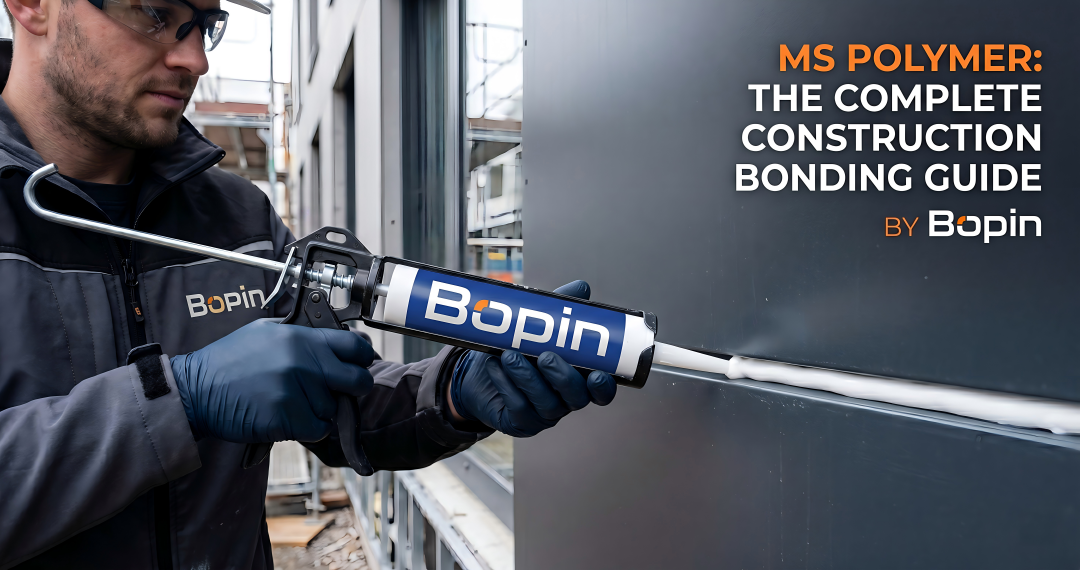
Waterproof sealants stop water from getting into your building, but only when you pick and use them right. Bad waterproofing choices cause thousands of dollars in damage every year through leaks, mold, and water problems.
Learning how different waterproof sealants work and where to use them protects your property and prevents expensive repairs. Whether you’re sealing a bathroom, fixing windows, or protecting roofs, the right approach gives you decades of protection.
What Makes a Sealant Truly Waterproof
Not all sealants keep water out in the same way. True waterproof sealants create strong barriers that completely stop water, even under pressure and for long periods.
Water Resistant vs. Waterproof – What’s the Difference?
Water-resistant sealants handle light rain and humidity but may fail when there’s pressure or lots of water. Think of them like a raincoat – good for light rain but not for swimming.
Waterproof sealants create complete barriers that stop water even under pressure. They work more like a submarine – designed to keep water out no matter what.
This difference matters big time. Water-resistant products might work fine inside your house but fail badly in tough spots like shower walls or outside walls.
How Waterproof Sealants Work
Good waterproof sealants dry to form flexible rubber barriers that stretch and squeeze with your building while keeping water out.
The way they’re made creates a solid barrier without tiny holes that could let water through over time.
They resist chemicals, so the waterproof barrier survives cleaning products and other stuff that could break down cheaper materials.
Types of Waterproof Sealants
Different types of waterproof sealants work best in different places and weather conditions.
Silicone Waterproof Sealants
Silicone sealants give excellent waterproofing with great flexibility and last a long time in tough conditions.
Neutral-cure silicones work safely with all building materials without causing rust or stains. General purpose neutral silicones give reliable waterproofing for most building jobs.
Special bathroom silicones have mold-fighting ingredients that stop fungus growth in wet places. Professional bathroom silicones fight mold and chemicals while giving superior waterproofing.
They work in temperatures from -40°C to +150°C, making silicone perfect for places with extreme hot and cold.
MS Polymer Waterproof Sealants
MS (Modified Silane) polymer technology combines silicone-like performance with extra benefits like being paintable and working with more materials.
These hybrid sealants dry to give both waterproofing and strength, making them great for jobs that need both.
Multi-purpose MS polymer sealants handle big movement while keeping water out completely.
You can paint over them, which lets you match colors, since most silicones can’t be painted.
Polyurethane Waterproof Sealants
Polyurethane sealants stick really well and resist wear with good waterproofing for tough jobs.
They work especially well on difficult surfaces and in high-wear areas where toughness is critical.
However, sun resistance is usually lower than silicone, making them less suitable for outside jobs with direct sunlight.
Special Metal Roof Sealants
Metal roofing needs special waterproof sealants that handle extreme movement and weather.
Professional metal roof sealants handle big movement while staying waterproof through decades of hot and cold changes.
Non-rust formulas protect metal while giving superior weather resistance and sun protection.
Where You Need Waterproof Sealants Most
Knowing where waterproof sealants are most important helps you focus your protection efforts and spend your money wisely.
Bathroom and Wet Area Waterproofing
Bathrooms face the toughest waterproofing challenges with constant water, temperature changes, and strong cleaning products.
Shower walls need complete water barriers that handle daily water, plus deep cleaning with harsh chemicals.
Special wet area guides give detailed info about picking and using waterproof sealants in wet places.
Bathtub edges get both water and movement as tubs flex when you get in, so they need flexible waterproof barriers.
Window and Door Waterproofing
Sealing around windows and doors stops air and water leaks that waste energy and can damage your house structure.
Good waterproofing handles both direct rain and pressure that can push water through small gaps.
Window installation tips ensure invisible protection that doesn’t hurt how your house looks.
Door sealing needs products that handle people walking on them while keeping water out.
Roof Waterproofing Systems
Roof jobs face extreme weather with hot and cold changes, sun damage, and water pressure from wind-driven rain.
Sealing around vents, pipes, and equipment creates many spots where leaks can start.
Professional roof waterproofing tips gives complete protection against the most common problems.
Gutter connections handle lots of water and need waterproof sealants that resist pressure and movement from hot and cold.
Underground Waterproofing
Foundation walls and underground parts face constant pressure from groundwater and wet soil. Professional waterproofing must follow building codes and waterproofing standards to ensure proper protection against water damage.
Waterproof sealants must stay strong despite pressure that would beat standard products.
Sealing joints in basement walls and foundation holes stops water from getting in and causing damage and mold.
What Good Waterproof Sealants Must Do
Really good waterproof sealants must pass tough tests to give reliable, long-term protection.
Stopping Water Under Pressure
Quality waterproof sealants completely block water under test pressures that are higher than real-world conditions. These tests follow international standards like ASTM C920 for construction sealants to ensure reliable performance.
Pressure testing makes sure they work under the toughest basement and underground conditions.
Rain pressure testing checks protection against the pressure that happens during bad storms.
Handling Building Movement
Buildings move all the time because of hot and cold changes, settling, wind, and earthquakes.
Waterproof sealants must keep water out through big movements without cracking or coming loose.
Testing simulates decades of movement to make sure waterproofing lasts a long time.
Surviving Weather and Chemicals
Sun resistance stops breakdown from the constant sun that would destroy cheap materials.
Chemical resistance keeps waterproofing working despite cleaning products, air pollution, and other chemicals.
Hot and cold testing make sure they work in very cold to very hot conditions.
How to Install Waterproof Sealants Right
A good installation is just as important as picking the right product for getting reliable waterproof protection.
Getting Surfaces Ready
Perfect surface prep is essential for waterproof sticking and long-term performance in tough places.
Remove all dirt, including oils, old sealants, and loose stuff that could stop proper bonding.
Water content must be right – some sealants need dry surfaces while others can handle a little dampness.
Primer helps stick on tough surfaces like old concrete, painted surfaces, or materials that soak up water.
Designing Joints Right
Good joint design makes sure waterproof sealants can do their job without being overstressed by building movement.
Width-to-depth ratios of 2:1 work best for most waterproofing jobs while handling expected movement.
Backing materials stop three-sided sticking, which can stress sealants and cause failure during movement.
Drainage planning stops water buildup that could beat even quality waterproof barriers.
Weather Conditions for Application
The weather during installation affects both the immediate performance and the long-term life of waterproof installations.
Temperature ranges must be within what the maker says for proper drying and sticking.
Humidity levels affect drying speed – silicone sealants actually dry faster when it’s more humid.
Wind and rain can dirty fresh applications or stop proper surface wetting and sticking.
Checking Quality and Testing
Checking quality systematically makes sure waterproof performance is consistent across big projects and important jobs.
Looking during the application catches problems before they become failures.
Water testing checks waterproof strength before putting installations into real use.
Recording conditions and steps helps figure out any problems that develop over time.
Common Waterproofing Problems and How to Avoid Them
Understanding what goes wrong helps avoid expensive problems and makes sure waterproof protection lasts.
Picking the Wrong Product
Using regular sealants for tough waterproofing jobs often leads to early failure and expensive repairs.
Ignoring movement needs causes stiff sealants to crack when buildings move, creating paths for water to get in.
Not enough chemical resistance lets cleaning products and weather exposure break down sealant barriers over time.
Installation Mistakes
Poor surface prep is the top cause of waterproofing failure, no matter how good the product or installer is.
Wrong joint design creates stress spots that cause even good sealants to fail early under building movement.
Weather-related application problems hurt performance when conditions aren’t right for proper drying.
Not Taking Care of It
Not checking regularly lets small problems become big failures before they’re spotted and fixed.
Using the wrong cleaning products can damage waterproof barriers and make them less effective over time.
Waiting too long to fix repairs often costs more and causes more damage than fixing problems right away.
Advanced Waterproofing Solutions
New technology gives better waterproofing solutions for the toughest jobs and places.
Self-Leveling Waterproof Sealants
Self-leveling types automatically create smooth, professional-looking surfaces while giving superior waterproof performance.
These products work especially well for flat surfaces like deck surfaces and roof details, where looks and performance matter.
Faster installation and better looks make self-leveling products attractive for visible jobs.
High-Movement Waterproof Sealants
Special types handle extreme building movement while keeping complete waterproof barriers.
Big movement capability handles the most demanding building jobs, including earthquake zones and large building systems.
These products stop the cracking and loosening that cause standard sealants to fail in high-movement conditions.
Strong Waterproof Sealants
Two-part strong sealants give both waterproofing and load-bearing ability for jobs that need both.
Professional installation and engineering approval are usually needed for structural jobs.
These products eliminate the need to choose between waterproofing and structural performance in demanding glazing and curtain wall jobs.
Smart Waterproofing on a Budget
Smart waterproofing plans balance initial costs with long-term performance to give the best overall value.
Initial Cost vs. Long-Term Value
Quality waterproof sealants cost more at first but give much lower lifetime costs through longer life and fewer failures.
Failure costs, including removal, damage repair, and redoing the job, often cost 5-10 times more than quality products.
Energy savings from proper air and water sealing can pay for quality waterproofing installations within a few years.
Planning vs. Emergency Fixes
Planned waterproofing maintenance costs way less than emergency repairs after failures cause water damage.
Regular checking and small repairs stop small problems from becoming big failures that need lots of work.
Scheduled replacement before failure lets you plan properly and prevents damage to building contents and structure.
Frequently Asked Questions
How long do waterproof sealants last?
Quality waterproof sealants usually give 15-25 years of reliable service when properly picked, installed, and maintained. Tough jobs like bathrooms might need replacement every 10-15 years, while protected jobs can last 20+ years.
Can I put waterproof sealant over old sealant?
Complete removal of old sealant is always the best approach for reliable waterproof performance. Most waterproof sealants don’t stick well to old materials, and incomplete removal leads to sticking failure and water leaks.
What’s the difference between inside and outside waterproof sealants?
Outside, waterproof sealants have better sun resistance and weather protection for direct weather exposure. Inside products focus on chemical resistance and mold protection rather than weather resistance. Selection guides help choose the right products for specific conditions.
Do I need primer for waterproof sealant jobs?
Primer helps stick on rough or tough surfaces like concrete, painted surfaces, or old materials. While not always needed, primer use is good practice for important waterproofing jobs where failure would be really bad.
How do I test if my waterproofing is working right?
Looking for cracks, gaps, or loose spots is the first step in checking waterproofing. Water testing with a gentle spray or standing water can check if barriers work. Professional pressure testing may be needed for really important jobs.
Conclusion
Good waterproofing needs understanding both what products can do and how to apply them correctly to get reliable, long-term protection against water damage.
The right waterproof sealant choice depends on your specific job needs, weather conditions, and how well you want it to work, rather than just picking the cheapest option.
Professional installation, including good surface prep, joint design, and quality control, is just as important as product choice for waterproofing success.
Regular maintenance and checking help spot developing problems before they cause expensive water damage or structural issues.
Don’t cut corners on waterproofing quality or installation – water damage costs way more than any savings from using cheap products or poor technique.
Plan waterproofing projects with enough time for proper prep, good weather, and complete drying before putting installations into real use.
When waterproofing protection is critical for your building and stuff, invest in quality products and professional techniques that give decades of reliable performance.
Need expert help on waterproof sealant selection and application for your specific project? BoPin Construction Chemicals provides complete waterproofing solutions with professional technical support to ensure optimal protection and performance.