
How to Apply Silicone Sealant: A Step-by-Step Guide That Actually Works

Applying silicone sealant properly is like riding a bike – once you learn the right technique, it becomes second nature. The difference between a professional-looking job that lasts for decades and a messy disaster that fails in months often comes down to following the right steps in the right order. Here’s the truth: most silicone […]
Does Silicone Sealant Adhere to Rubber? Your Simple Guide
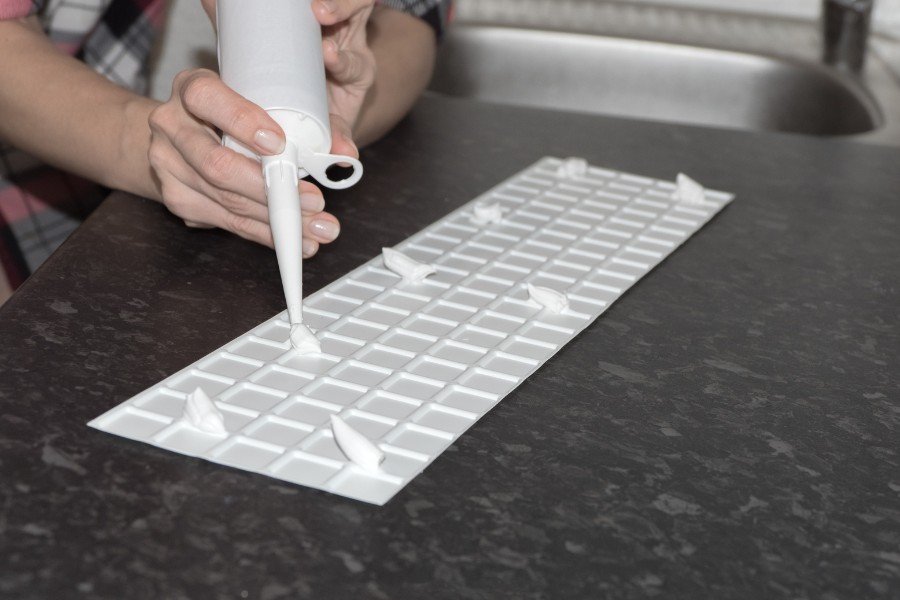
Here’s the honest answer: Sometimes yes, sometimes no. It completely depends on what type of rubber you’re working with. Some rubbers stick to silicone like glue, while others reject it completely – kind of like how water slides off a duck’s back. This matters more than you might think. Getting it wrong means your seal […]
How to Remove Silicone Sealant: Professional Methods That Actually Work
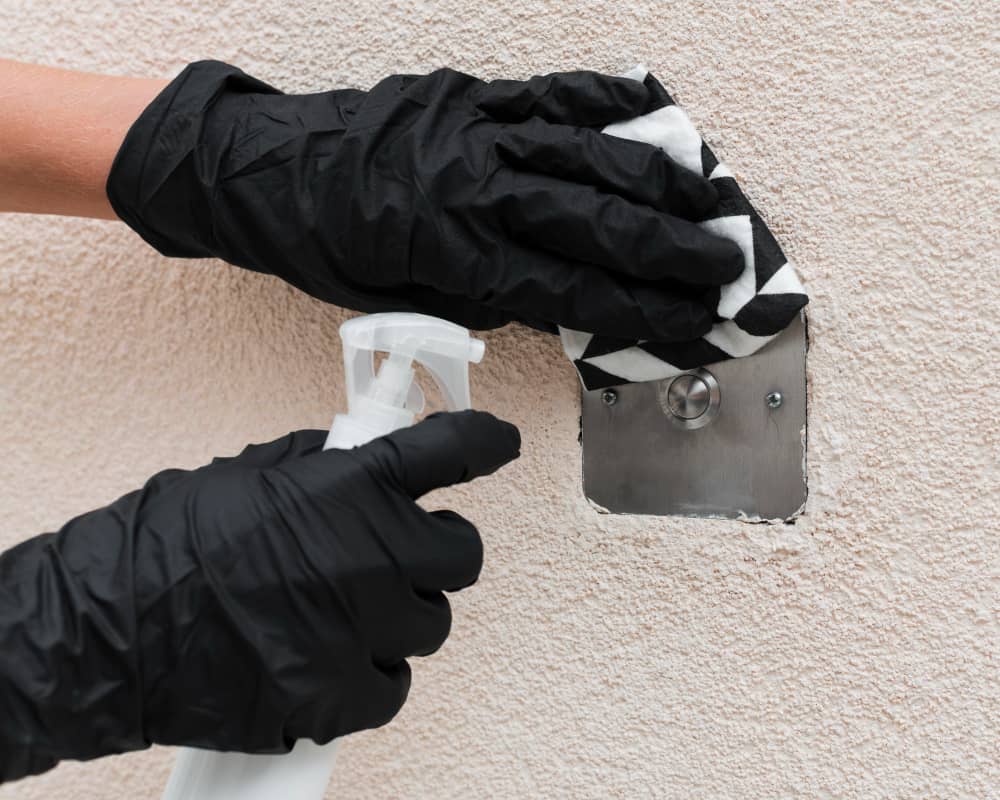
Removing old silicone sealant properly is just as important as applying new sealant correctly. Poor removal techniques leave residue that prevents new sealant from sticking properly, leading to early failure and water damage. Whether you’re renovating a bathroom, replacing window seals, or doing maintenance work, knowing how to remove silicone sealant the right way saves […]
Is Silicone Sealant Permanent? The Simple Truth

Think of silicone sealant like a really good pair of jeans – not truly permanent, but it lasts way longer than cheaper alternatives. While nothing lasts forever, quality silicone sealant can protect your home or building for 20-50+ years when applied correctly. That’s like sealing your bathroom once and not worrying about it until you’re […]
Can Silicone Sealant Be Used for Waterproofing? The Simple Truth

If you’ve ever faced a leaky shower or a damp basement, you know the importance of effective waterproofing. Enter silicone sealant – a versatile hero in the battle against water infiltration! With its unique molecular structure, silicone creates a water-repellent barrier that lasts for years. From bathrooms to kitchens and even marine applications, silicone excels in protecting your spaces. But not all silicones are created equal! Discover how to choose the right type, apply it effectively, and avoid common mistakes. Dive into our ultimate guide and unlock the secrets to achieving a dry, worry-free home!
Is Silicone Sealant Toxic When Cured? Health and Safety Facts

Is silicone sealant toxic when cured? If you’ve ever used it for home projects, you might have wondered about its safety, especially in areas where your family spends time. The good news is that once fully cured, silicone sealant is generally non-toxic and safe for most applications. However, understanding the curing process and proper handling is crucial. From kitchens to bathrooms, learn how to use silicone sealants confidently while ensuring a safe environment for your loved ones. Dive into our complete safety guide to discover the facts and ease your mind about this versatile material!
Why Silicone Sealant Is Awry: Understanding Common Failures and How to Prevent Them

Why is silicone sealant often a source of frustration? Understanding the factors that lead to its deterioration can save you time and money. From shelf life and storage conditions to visual and smell tests, knowing what to look for can prevent costly mistakes. Whether you’re sealing a shower or installing windows, recognizing the signs of bad silicone is crucial. Don’t let a simple oversight lead to leaks or structural damage. Dive into our comprehensive guide to ensure your projects are successful and your silicone is always fresh and reliable! Happy sealing!
Adhesive vs. Sealant: Understanding the Key Differences

Have you ever found yourself in the hardware store, puzzled over whether to grab an adhesive or a sealant for your project? You’re not alone! While these products may look similar, they serve very different purposes. Adhesives are the strongmen, creating permanent bonds, while sealants act as flexible protectors, filling gaps and preventing leaks. Understanding these key differences can make all the difference in your DIY endeavors. Dive into our guide to discover when to use each, explore real-world applications, and learn about innovative adhesive sealants that combine the best of both worlds! Happy building and creating!
Can You Use Silicone Sealant as an Adhesive? What You Need to Know

Ever wondered if silicone sealant can pull double duty as an adhesive? The answer is yes! Silicone sealants, especially RTV types, are incredibly versatile, curing into a flexible, rubber-like material that can seal gaps and bond surfaces. With their ability to withstand extreme temperatures, resist moisture, and adhere to various materials, silicone is perfect for everything from home repairs to automotive applications. However, it’s essential to know when to choose silicone over specialized adhesives. Dive into our guide to discover how to effectively use silicone sealant in your projects and unlock its full potential!
