
Cómo aplicar sellador de silicona: Una guía paso a paso que realmente funciona

Aplicar sellador de silicona correctamente es como andar en bicicleta: una vez que se aprende la técnica adecuada, se vuelve algo natural. La diferencia entre un trabajo profesional que dura décadas y un desastre chapucero que se estropea en meses suele radicar en seguir los pasos correctos en el orden correcto. La verdad es que la mayoría de las siliconas […]
¿Se adhiere el sellador de silicona al caucho? Tu guía sencilla
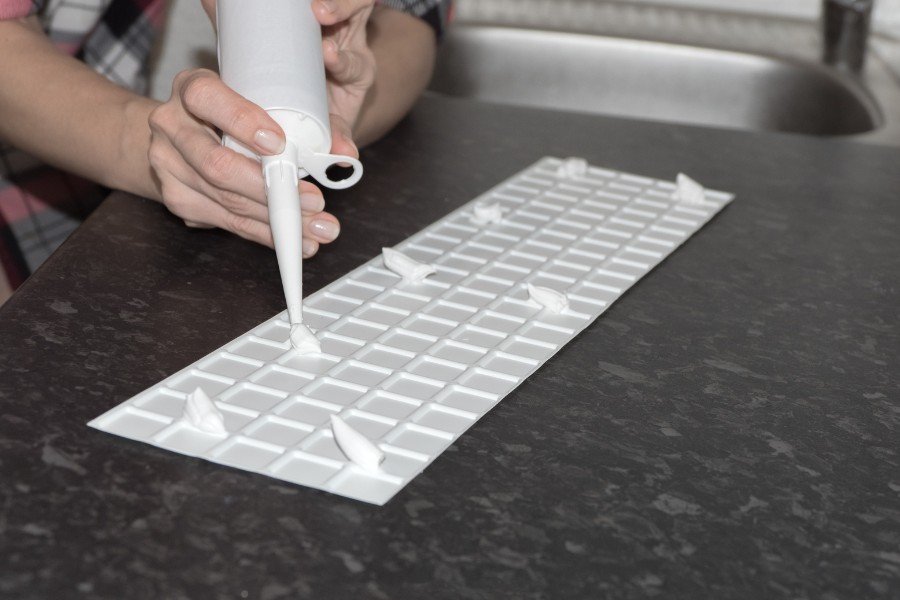
Aquí está la respuesta honesta: A veces sí, a veces no. Depende completamente del tipo de goma con la que trabajes. Algunas gomas se adhieren a la silicona como pegamento, mientras que otras la rechazan por completo, como el agua que resbala por el lomo de un pato. Esto es más importante de lo que crees. Un error significa que tu sello […]
Cómo quitar el sellador de silicona: métodos profesionales que realmente funcionan
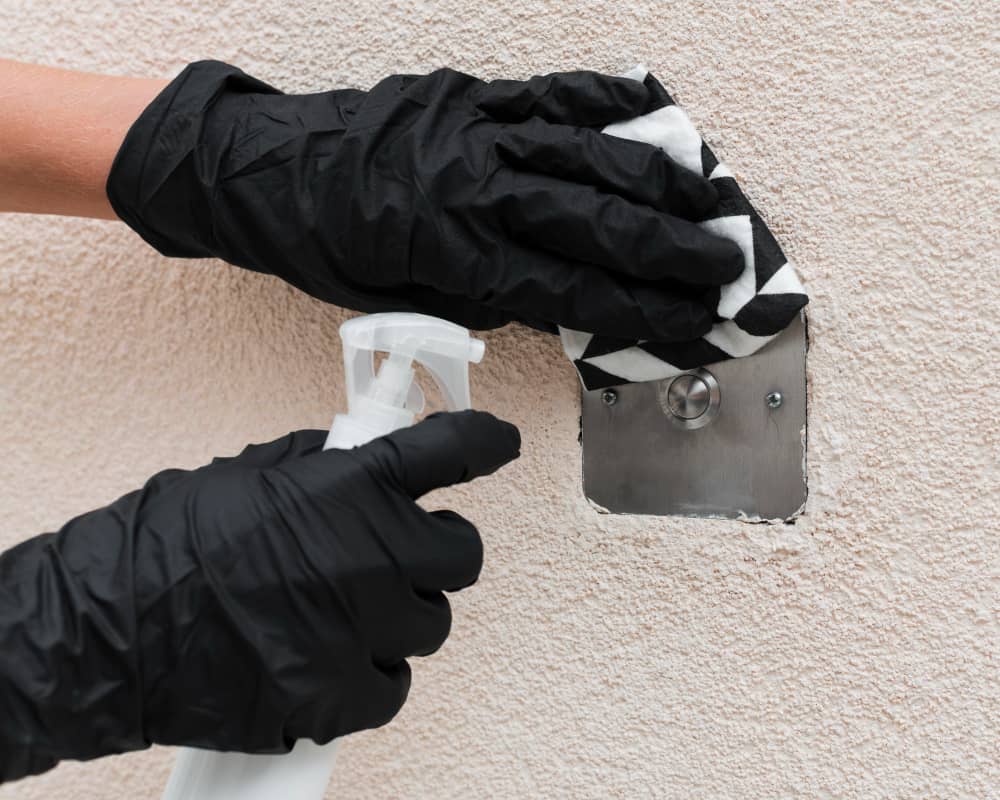
Removing old silicone sealant properly is just as important as applying new sealant correctly. Poor removal techniques leave residue that prevents new sealant from sticking properly, leading to early failure and water damage. Whether you’re renovating a bathroom, replacing window seals, or doing maintenance work, knowing how to remove silicone sealant the right way saves […]
Is Silicone Sealant Permanent? The Simple Truth

Think of silicone sealant like a really good pair of jeans – not truly permanent, but it lasts way longer than cheaper alternatives. While nothing lasts forever, quality silicone sealant can protect your home or building for 20-50+ years when applied correctly. That’s like sealing your bathroom once and not worrying about it until you’re […]
¿Se puede usar sellador de silicona para impermeabilizar? La verdad simple

Si alguna vez has tenido una ducha con goteras o un sótano húmedo, sabes lo importante que es una impermeabilización eficaz. ¡Descubre el sellador de silicona, un héroe versátil en la lucha contra las filtraciones de agua! Con su estructura molecular única, la silicona crea una barrera hidrófuga que dura años. Desde baños hasta cocinas e incluso aplicaciones marinas, la silicona es excelente para proteger tus espacios. ¡Pero no todas las siliconas son iguales! Descubre cómo elegir el tipo correcto, aplicarlo eficazmente y evitar errores comunes. ¡Sumérgete en nuestra guía definitiva y descubre los secretos para lograr un hogar seco y sin preocupaciones!
¿Es tóxico el sellador de silicona una vez curado? Información sobre salud y seguridad

Is silicone sealant toxic when cured? If you’ve ever used it for home projects, you might have wondered about its safety, especially in areas where your family spends time. The good news is that once fully cured, silicone sealant is generally non-toxic and safe for most applications. However, understanding the curing process and proper handling is crucial. From kitchens to bathrooms, learn how to use silicone sealants confidently while ensuring a safe environment for your loved ones. Dive into our complete safety guide to discover the facts and ease your mind about this versatile material!
Por qué el sellador de silicona es defectuoso: comprender las fallas comunes y cómo prevenirlas

Why is silicone sealant often a source of frustration? Understanding the factors that lead to its deterioration can save you time and money. From shelf life and storage conditions to visual and smell tests, knowing what to look for can prevent costly mistakes. Whether you’re sealing a shower or installing windows, recognizing the signs of bad silicone is crucial. Don’t let a simple oversight lead to leaks or structural damage. Dive into our comprehensive guide to ensure your projects are successful and your silicone is always fresh and reliable! Happy sealing!
Adhesivo frente a sellador: Las principales diferencias

Have you ever found yourself in the hardware store, puzzled over whether to grab an adhesive or a sealant for your project? You’re not alone! While these products may look similar, they serve very different purposes. Adhesives are the strongmen, creating permanent bonds, while sealants act as flexible protectors, filling gaps and preventing leaks. Understanding these key differences can make all the difference in your DIY endeavors. Dive into our guide to discover when to use each, explore real-world applications, and learn about innovative adhesive sealants that combine the best of both worlds! Happy building and creating!
Can You Use Silicone Sealant as an Adhesive? What You Need to Know

Ever wondered if silicone sealant can pull double duty as an adhesive? The answer is yes! Silicone sealants, especially RTV types, are incredibly versatile, curing into a flexible, rubber-like material that can seal gaps and bond surfaces. With their ability to withstand extreme temperatures, resist moisture, and adhere to various materials, silicone is perfect for everything from home repairs to automotive applications. However, it’s essential to know when to choose silicone over specialized adhesives. Dive into our guide to discover how to effectively use silicone sealant in your projects and unlock its full potential!
