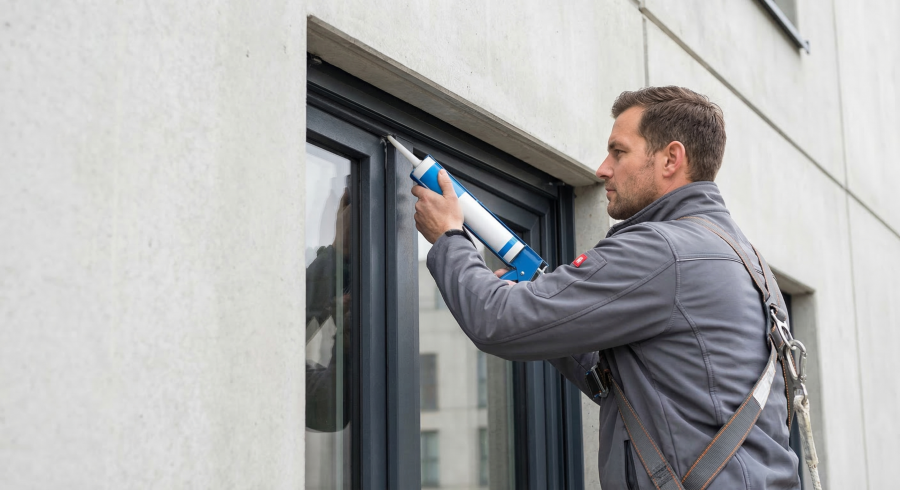
Standing in the caulk aisle at the hardware store can feel overwhelming. Tubes labeled “silicone caulk,” “acrylic caulk,” “polyurethane caulk,” and dozens of other options stare back at you. Which one do you actually need? And once you pick one, how do you avoid that messy, amateur look that screams “DIY disaster”?
The truth is that silicone caulk is probably your best bet for most home projects. It’s durable, flexible, and waterproof. But knowing when to use it (and when not to) can save you time, money, and frustration. This guide will walk you through everything you need to know about silicone caulking, from choosing the right product to getting those clean, professional-looking lines.
What Makes Silicone Caulk Special
Silicone caulk is like the Swiss Army knife of sealants. It handles most situations well, even if it’s not always the absolute best choice for every specific job.
The biggest advantage of silicone caulk is its flexibility. Unlike other caulks that can crack when your house shifts or temperatures change, silicone stays flexible for decades. It stretches and moves with your building without losing its seal. Think of it like a rubber band that never gets brittle.
Waterproofing is another major strength. Once cured, silicone caulk creates a completely waterproof barrier. This makes it perfect for bathrooms, kitchens, and anywhere else where moisture is a concern. Other caulks might claim to be “water-resistant,” but silicone is truly waterproof.
Temperature resistance sets silicone apart, too. It handles everything from cold to extreme heat without breaking down. You can use the same silicone caulk in your bathroom and around your wood stove. Try that with acrylic caulk, and you’ll have problems.
The downside? You can’t paint over most silicone caulk. Paint just won’t stick to it properly. If you need to paint over your caulk, you’ll need a different product.
Types of Silicone Caulk: Choosing Your Weapon
Not all silicone caulks are created equal. Here’s what you need to know about the main types:
Neutral-cure silicone caulk is your safest bet for most projects. It’s safe for all materials and doesn’t release strong fumes while curing. Products like BoPin 122 General Purpose Neutral Silicone work great for most household applications. This is what most people should buy for general use.
Acetoxy-cure silicone caulk cures faster but has limitations. It releases acetic acid (vinegar smell) while curing and can corrode some metals. Use this for glass and ceramic projects where you need quick results. Avoid it around mirrors or sensitive metals.
Specialty bathroom silicone caulk includes anti-mold additives. If you’re working in wet areas, these formulations, like BoPin 550 Sanitary Sealant, actively fight mold and mildew growth. They cost a bit more but prevent those ugly black streaks.
High-temperature silicone caulk handles extreme heat. Use this around fireplaces, wood stoves, or other high-heat applications. Regular silicone caulk will break down in extreme heat.
Silicone Caulking Tools: What You Actually Need
Good tools make silicone caulking much easier. Here’s what’s worth buying and what you can skip:
A decent caulk gun is essential. The cheap plastic ones work for small jobs, but a quality metal gun with a smooth trigger makes application much easier. Look for one with a built-in cutter and wire for opening tubes.
A sharp utility knife is crucial for two things: cutting the tube tip and removing old caulk. Make sure it’s sharp – dull blades create ragged cuts that make a messy application.
Masking tape is your secret weapon for clean lines. Professional-looking silicone caulking almost always involves masking tape. Don’t skip this step, thinking you’ll be extra careful.
A smoothing tool helps create perfect finishes. You can buy specialized tools, but a wet finger or plastic spoon works just as well. The key is having something to smooth the caulk before it starts to skin over.
Clean rags and rubbing alcohol are essential for cleanup and surface prep. Silicone caulk sticks best to clean surfaces. Even surfaces that look clean often have invisible oils or residue.
Surface Preparation: The Step Everyone Skips
This is where most silicone caulking projects fail. Poor surface prep leads to poor adhesion, which leads to failed caulk within months.
Remove all old caulk completely. Use a sharp knife or razor blade scraper to cut away every bit of old material. Don’t leave any pieces thinking, “It’s close enough.” Those spots will prevent the new caulk from sticking properly.
Limpie completamente con alcohol isopropílico. Even after removing old caulk, surfaces often have residue that prevents good adhesion. Wipe everything down with rubbing alcohol and a clean cloth. Let it dry completely before proceeding.
Check the gap size. Silicone caulk works best in gaps that are 6-25mm wide. If your gap is wider than 25mm, use a backer rod (foam strips) to fill it first partially. This prevents the caulk from sagging and ensures proper curing.
Make sure surfaces are dry. Silicone caulk can handle moisture once it’s cured, but it needs to start with relatively dry surfaces. In humid environments, use a fan or dehumidifier if necessary.
The Right Way to Apply Silicone Caulk
Good silicone caulking technique is easier than you think when you know the tricks:
Cut the tube tip at a 45-degree angle. Start with a smaller opening than you think you need – about 3-5mm for most applications. You can always make it bigger, but you can’t make it smaller.
Apply masking tape before you start. Place tape about 2-3mm away from where you want the caulk edge. This creates a channel for the caulk and ensures straight lines. Don’t skip this step unless you’re already really good at caulking.
Hold the gun at a 45-degree angle and pull; don’t push. Pulling the gun along the joint gives you better control and more consistent results. Apply steady pressure to the trigger and move at a consistent speed.
Apply slightly more caulk than you need. You’ll remove the excess when smoothing, but having enough material ensures complete gap-filling. Better to have a little too much than not enough.
Smooth within 5-10 minutes of application. Silicone caulk starts to skin over quickly. Use a wet smoothing tool and do this in one smooth motion without stopping or going back over areas.
Smoothing and Finishing: Making It Look Professional
This step separates amateur work from professional-looking results:
Use soapy water as a lubricant. Dip your smoothing tool or finger in soapy water before smoothing. This prevents the caulk from sticking to your tool and creates a smooth finish.
Work in one direction with steady pressure. Don’t go back and forth or try to “fix” small imperfections. One smooth pass gives better results than multiple corrections.
Remove masking tape immediately after smoothing. Pull the tape away at a 45-degree angle while the caulk is still wet. If you wait too long, the tape will tear the caulk surface.
Don’t touch the caulk after smoothing. Resist the urge to “improve” small imperfections. You’ll usually make them worse. Let the silicone caulk cure undisturbed.
Common Silicone Caulking Mistakes to Avoid
These mistakes immediately mark your work as an amateur:
Using the wrong type of silicone caulk is the biggest error. Don’t use bathroom caulk in your kitchen or general-purpose caulk in wet areas. Match the product to the application.
Making the tube opening too big results in a messy, hard-to-control application. Start small and enlarge if needed. You can’t make the hole smaller once you’ve cut it.
Skipping surface cleaning because it seems unnecessary. Even clean-looking surfaces often have soap residue, oils, or other contamination that prevents good adhesion.
Trying to caulk in bad weather. High humidity, extreme temperatures, or windy conditions all affect how silicone caulk is applied and cures. Plan your timing accordingly.
Not allowing proper cure time. Most silicone caulks take 24 hours to cure fully. Exposing fresh caulk to water or stress too soon weakens the entire seal.
When NOT to Use Silicone Caulk
Silicone caulk isn’t right for every situation:
Don’t use silicone caulk where you need to paint over it. The paint won’t stick to silicone properly. Use paintable acrylic or polyurethane caulk instead.
Avoid silicone caulk on natural stone without testing first. Some silicone formulations can stain marble, granite, and other stones. Use specialized stone-safe products like BoPin 635 Natural Stone Silicone.
Don’t use regular silicone caulk for structural applications. It’s designed for sealing, not holding things together. For bonding applications, use construction adhesive or specialized structural products.
Skip silicone caulk for moving joints wider than 25mm. Large expansion joints need specialized products designed for major movement cycles.
Cleanup and Maintenance
Proper cleanup and maintenance extend the life of your silicone caulking:
Clean up immediately while the caulk is wet. Remove any excess with a damp cloth before it cures. Once silicone cures, it’s much harder to remove cleanly.
Don’t disturb the caulk for 24 hours minimum. Most silicones form a skin quickly but take time to cure completely. Avoid touching, getting it wet, or putting stress on fresh caulk.
Maintain caulked areas properly. Clean with mild soap and water. Avoid harsh chemicals that can break down the silicone over time.
Inspect annually for problems. Look for cracks, gaps, or mold growth that indicate the beginning of failure. Early intervention is much easier than complete replacement.
Product Recommendations That Actually Work
Based on real-world performance, here’s what delivers results:
For general household use: BoPin 122 General Purpose Neutral Silicone provides excellent adhesion, flexibility, and durability. It’s safe for all materials and handles most common applications.
For wet areas: Sellador sanitario BoPin 550 includes anti-mold additives that prevent the black growth that ruins bathroom caulking. It’s specifically formulated for high-moisture environments.
For natural stone: BoPin 635 Silicona de piedra natural prevents staining while providing all the benefits of regular silicone caulk. Don’t risk expensive stones with regular products.
For high-temperature applications: BoPin 770 High-Temperature Silicone handles extreme heat without breaking down. Use this around fireplaces, stoves, and other heat sources.
Solución de problemas comunes
When your silicone caulking doesn’t go as planned:
If the caulk won’t stick, Surface contamination is usually the culprit. Clean more thoroughly with degreasing agents and ensure complete drying before reapplication.
If it looks messy, Poor masking or trying to smooth too late are common causes. Next time, use masking tape and smooth within 5-10 minutes of application.
If it cracks or shrinks: The gap might be too wide, or you applied too thin a layer. Use the backer rod for wide gaps and ensure adequate caulk thickness.
If mold grows on it, You might have used regular caulk instead of a bathroom-specific formulation. Or the area might need better ventilation to reduce moisture.
Conclusion: Master the Basics, Get Great Results
Silicone caulking success comes down to choosing the right product and following proven techniques. The difference between amateur and professional results isn’t talent – it’s preparation, proper tools, and patience.
Remember the key points: Clean surfaces thoroughly, use masking tape for straight lines, apply steadily, and smooth within the working time. Don’t rush the process, and resist the urge to “fix” things after smoothing.
With practice, silicone caulking becomes second nature. Start with small, low-stakes projects to build your skills. Once you master the basics, you’ll be amazed at how professional your results look.
Quality silicone caulk properly applied can last 15-20 years or more. Taking the time to do it right the first time saves money and frustration in the long run.
For professional-grade silicone caulk and expert guidance on your next project, explore BoPin’s complete range of construction chemicals designed to deliver lasting results.