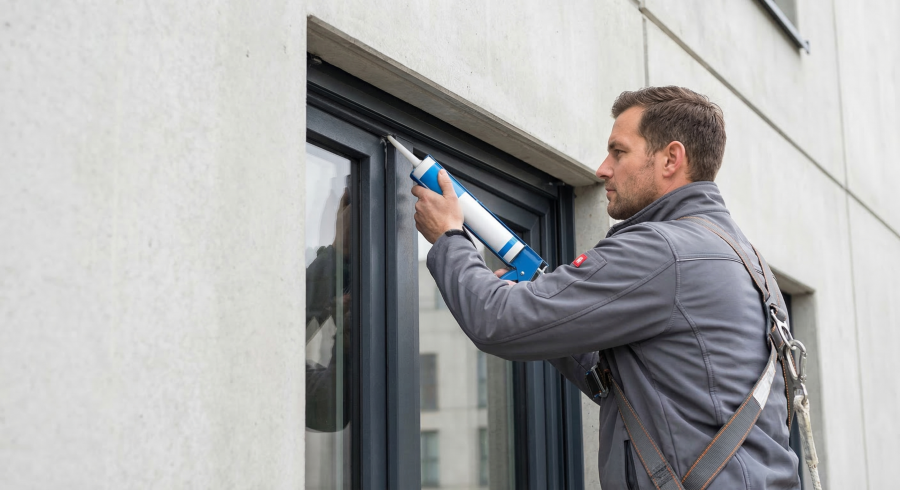
Building envelope sealing is where the rubber meets the road for contractors. You can have the best materials in the world, but if your installation isn’t spot-on, you’ll be dealing with callbacks, warranty claims, and unhappy customers. Get it right, and you build a reputation for quality that brings repeat business.
This guide covers the practical side of exterior silicone sealant installation – the real-world techniques, common problems, and professional tricks that separate successful contractors from those struggling with failures and complaints.
Why Building Envelope Sealing Matters for Your Business
Think of building envelope sealing as your signature on every project. Done well, it’s invisible but protects the building for decades. Done poorly, it’s the first thing that fails and the first thing clients blame you for.
Your Reputation Is on the Line
Water damage from failed sealing can cost $10,000-100,000+ in repairs. When sealing fails, guess who gets the first phone call? Not the sealant manufacturer – you do.
Quality sealing work builds referrals and repeat business. Poor sealing creates enemies who tell everyone about their bad experience with your company.
Callbacks Kill Profitability
A $500 sealing job that requires a $2,000 callback just cost you $1,500 in profit plus your reputation.
Most sealing failures happen within 2-3 years – right when customers are most likely to remember your company name and spread the word about problems.
Cuestiones de seguros y responsabilidad
Water damage claims can trigger insurance investigations that scrutinize your work practices and material choices.
Professional installation documentation protects you when problems arise from building movement, material defects, or other factors beyond your control.
Understanding Your Materials
You don’t need to be a chemist, but understanding what makes exterior silicone sealant work helps you use it correctly.
What Makes Building Sealants Different
Building envelope sealants face tougher conditions than any indoor application.
They must handle:
- Daily temperature swings of 40°C+ (70°F+)
- UV radiation that would destroy plastic in months
- Wind-driven rain at pressure
- Building movement from thermal cycling
- Years of freeze-thaw cycles
Professional building sealants are engineered specifically for these challenges. For detailed technical analysis of weather resistance properties, see our comprehensive guide on outdoor waterproof silicone performance.
Reading Product Data Sheets
Don’t just look at the price – understand what you’re buying.
Key specs that matter:
- Capacidad de movimiento: 25% minimum for most building applications
- Rango de temperatura: Must cover your local climate extremes
- Resistencia a los rayos UV: Essential for any exterior exposure
- Tiempo de curado: Affects your project scheduling
Life expectancy ratings help you set realistic customer expectations and warranty terms.
Matching Products to Applications
One size doesn’t fit all in building envelope sealing.
Window and door sealing: Standard construction-grade products work for most residential and light commercial.
Curtain wall and storefront: Structural glazing sealants required for safety and code compliance
Roofing and high-exposure: Premium weather-resistant formulations for maximum durability. Understanding specific high-temperature requirements is crucial for roofing applications exposed to extreme heat.
Coastal construction: Enhanced salt spray resistance for marine environments
Pre-Installation Planning
Professional results start before you open the first tube of sealant.
Site Assessment
Walk the job before pricing to identify potential problems.
Buscar:
- Existing water damage that indicates drainage or flashing problems
- Previous sealing failures that might indicate substrate issues
- Access challenges that affect equipment and labor costs
- Timing constraints from weather, occupancy, or other trades
Documentar las áreas problemáticas with photos for customer discussions and liability protection.
Material Calculations
Estimate materials accurately to avoid project delays and cost overruns.
Standard coverage:
- Window perimeter: 1-2 tubes per average window, depending on size
- Curtain wall: 0.5-1 linear meters per tube, depending on joint size
- Door frames: 1 tube per standard door installation
Order 10-15% extra for waste, touch-ups, and potential design changes.
Weather Planning
Don’t let weather kill your schedule – plan around it.
Ideal conditions:
- Temperature: 5-35°C (40-95°F)
- Humidity: Below 80%
- No rain forecast for 24 hours
- Wind under 25 km/h (15 mph)
Have backup plans for weather delays and communicate realistic schedules to customers.
Tool and Equipment Checklist
Professional tools make professional results and increase your efficiency.
Essential equipment:
- Quality sealant guns – cheap guns create uneven beads and hand fatigue
- Sharp utility knives for clean cartridge cuts
- Suministros de limpieza – solvents, rags, brushes
- Cinta de enmascarar Para líneas limpias y protección de superficies
- Varilla de respaldo in appropriate sizes
- Herramientas de suavizado – plastic tools work better than fingers
Surface Preparation (The Make-or-Break Step)
This is where most contractors cut corners and most failures start. Perfect surface prep takes time but prevents expensive callbacks.
Cleaning Protocols
Exterior surfaces are dirty – years of pollution, weathering, and construction debris create adhesion problems.
Step-by-step cleaning process:
- Retire todo el sellador viejo – every bit, using appropriate tools and techniques
- Scrape or wire brush loose paint, rust, or deteriorated materials
- Degrease with appropriate solvents – isopropyl alcohol works for most applications
- Borrado final with clean, lint-free cloths
- Dejar secar completamente antes de aplicar el sellador
Don’t rush this step – poor adhesion from contaminated surfaces causes 80% of early failures.
When to Use Primer
Primer isn’t always necessary, but when it is, it’s critical.
Always use primer on:
- Weathered concrete or masonry
- Painted surfaces over 5 years old
- Galvanized metal (unless using compatible sealant)
- Porous substrates like wood or unsealed concrete
Apply primer exactly as specified – wrong thickness or cure time can actually reduce adhesion. Building codes and industry standards provide specific requirements for primer use in critical applications.
Substrate Compatibility
Not all materials play well together.
Test compatibility when using:
- Natural stone (some sealants can stain)
- Painted surfaces (solvents may attack paint)
- Plastics (stress cracking possible)
- Metals (galvanic corrosion considerations)
When in doubt, test first on a small, hidden area.
Professional Installation Techniques
These are the techniques that separate pros from amateurs:
Diseño y preparación de juntas
Proper joint design prevents stress concentration y un fallo prematuro.
Key principles:
- 2:1 width-to-depth ratio for optimal stress distribution
- Instalación de la varilla de respaldo to control depth and prevent three-sided adhesion
- Clean, square joint edges for maximum contact area
- Ancho adecuado for expected thermal movement
Calculate thermal movement based on local temperature extremes and material types.
Técnica de aplicación
Consistent technique produces consistent results.
Professional application steps:
- Punta del cartucho cortada at 45° angle, sized to joint width
- Apply steady pressure while moving the gun at a consistent speed
- Maintain proper standoff distance from surface
- Evite paradas y arranques within continuous joints
- Herramienta inmediatamente after application, while material is workable
Trabajar en secciones manejables – don’t try to seal more than you can tool within the working time.
Tooling and Finishing
This is where craftsmanship shows.
Técnica de herramientas profesionales:
- Utilice una presión constante and speed for uniform appearance
- Wet tools frequently to prevent drag and surface imperfections
- Retire el exceso de material cleanly without disturbing the joint
- Check for voids or holidays and repair immediately
Retire la cinta de enmascarar mientras el sellador aún está húmedo para líneas limpias.
Control de calidad durante la instalación
Catch problems before they become failures.
Inspect continuously for:
- Adhesion to both sides of the joint
- Complete filling without voids or thin spots
- Herramientas adecuadas with smooth, concave profile
- Bordes limpios without excess material
Documenta tu trabajo with photos showing proper installation – this protects you if problems develop later. For specialized applications like shower enclosures, additional sealing considerations apply – see our shower sealing installation guide for detailed techniques.
Common Installation Problems (And How to Avoid Them)
Learn from others’ mistakes instead of making them yourself:
Mala adherencia
What causes it:
- Contaminated surfaces (dirt, oil, moisture)
- Wrong primer or no primer when needed
- Application to frozen or overheated surfaces
- Incompatible materials
How to prevent it:
- Follow cleaning protocols religiously
- Use primer when specified
- Work within temperature limits
- Test compatibility on questionable substrates
Sealant Splitting or Cracking
What causes it:
- Joint design that concentrates stress
- Inadequate movement capability for application
- Thermal shock from rapid temperature changes
- Three-sided adhesion from poor backing rod installation
How to prevent it:
- Design joints properly for expected movement
- Use high-movement sealants for challenging applications
- Install backing rod correctly
- Avoid application during extreme weather
Poor Appearance
What causes it:
- Velocidad o presión del arma inconsistente
- Wrong tool size or technique
- Working beyond sealant skin time
- Contamination during application
How to prevent it:
- Practice technique for consistent results
- Work efficiently within working time limits
- Protect work area from contamination
- Use proper tools and keep them clean
Weather-Related Problems
What causes it:
- Rain exposure during cure
- Extreme temperatures during application
- High humidity affecting cure rate
- Wind contamination
How to prevent it:
- Consulte atentamente las previsiones meteorológicas
- Have protection systems for unexpected weather
- Adjust schedules for seasonal conditions
- Use appropriate products for local climate
Project Management and Scheduling
Successful sealing projects require coordination with other trades and careful timing.
Sequencing with Other Trades
Coordinate carefully to avoid conflicts and delays.
Typical sequence:
- Structural work complete and inspected
- Ventanas y puertas installed and aligned
- Flashing and weatherproofing installed
- Sealant application after all penetrations are complete
- Inspección final before interior finish work
Protect finished sealing work from damage by following trades.
Managing Customer Expectations
Set realistic expectations from the start to avoid conflicts.
Explain to customers:
- Weather dependencies and potential delays
- Appearance changes during cure (color, texture)
- Maintenance requirements for long-term performance
- Warranty terms and what they cover
Document everything in writing to prevent misunderstandings.
Dealing with Weather Delays
Weather delays are facts of life in exterior sealing work.
Have contingency plans:
- Alternative work that can be done in poor weather
- Flexible scheduling that accommodates weather windows
- Customer communication about delays and revised schedules
- Equipment protection during extended delays
Quality Assurance and Documentation
Professional contractors document their work for quality control and liability protection.
Inspection Checklists
Use systematic inspection to ensure consistent quality.
Pre-installation checklist:
- Surface preparation complete and documented
- Materials verified and within shelf life
- Weather conditions acceptable
- Tools and equipment ready
Post-installation checklist:
- All joints filled and tooled properly
- No voids, thin spots, or adhesion problems
- Clean appearance meeting project standards
- Protection in place for cure period
Photo Documentation
Pictures tell the story when problems arise later.
Document:
- Before conditions show surface preparation
- During installation, showing proper technique
- After completion, showing finished quality
- Problem areas with explanations and corrections
Date and GPS tag photos for accurate records.
Material Certification
Keep records of all materials used on each project.
Document:
- Product specifications and data sheets
- Batch numbers and manufacturing dates
- Storage conditions and shelf life verification
- Any field testing or compatibility verification
Troubleshooting Field Problems
When things go wrong, quick action minimizes damage.
Adhesion Failures
Immediate response:
- Stop work and assess extent of problem
- Identify root cause (contamination, compatibility, technique)
- Remove failed material completely
- Correct underlying problem before proceeding
Prevention for future:
- Review and improve surface preparation procedures
- Verify material compatibility testing
- Retrain crew on proper techniques
Weather Damage
Durante la instalación:
- Protect fresh sealant from rain or contamination
- Have tarps and temporary protection ready
- Don’t try to work through marginal conditions
After installation:
- Inspect for damage after severe weather
- Document any problems for insurance purposes
- Address damage promptly before it spreads
Color or Appearance Issues
Durante la curación:
- Explain normal appearance changes to customers
- Distinguish between normal curing and actual problems
- Address legitimate concerns promptly
Long-term:
- Understand normal aging vs. premature failure
- Know when discoloration indicates material problems
- Have procedures for addressing appearance complaints
Building Long-Term Customer Relationships
Quality sealing work builds lasting business relationships.
Setting Proper Expectations
Educate customers about realistic performance expectations.
Explain:
- Normal appearance changes during cure and aging
- Maintenance requirements para un rendimiento óptimo
- When to call for inspection or service
- What warranties cover and what they don’t
Preventive Maintenance Programs
Offer inspection and maintenance services to protect your installation and generate ongoing revenue.
Annual inspection services:
- Check sealant condition and performance
- Clean joints and remove debris
- Identify and address minor problems before they become major
- Document condition for customer records
Warranty and Service
Stand behind your work with reasonable warranties and responsive service.
Typical warranty terms:
- 2-5 years on labor depending on application complexity
- Material warranties pass through from the manufacturer
- Exclude damage from building movement, severe weather, or abuse
- Require reasonable maintenance for warranty validity
Cost Management and Profitability
Smart contractors understand the economics of sealing work.
Pricing Strategies
Price for value, not just cost – customers remember quality long after they forget price.
Consider:
- Material costs, including waste and storage
- Labor time for proper surface preparation and installation
- Equipment costs and maintenance
- Insurance and bonding requirements
- Profit margin appropriate for risk and complexity
Avoiding Costly Mistakes
Prevention costs less than correction.
Budget for:
- Adequate surface preparation time and materials
- Protección contra la intemperie and delay contingencies
- Quality materials appropriate for application
- Proper tools and equipment maintenance
Building Repeat Business
Satisfied customers are your best marketing.
Focus on:
- Consistent quality that exceeds expectations
- Professional communication throughout the project
- Responsive service when issues arise
- Precios competitivos for long-term relationships
Working with Different Building Types
Different building types present unique challenges:
Residential Construction
Homeowner expectations and budget constraints require efficient, cost-effective solutions.
Focus on:
- Clear communication about process and timing
- Protecting landscaping and personal property
- Minimizing disruption to daily life
- Explaining maintenance requirements
Commercial Buildings
Higher performance requirements and stricter specifications demand premium materials and techniques.
Consider:
- Building code compliance and inspection requirements
- Specified materials and installation procedures
- Coordination with multiple trades and tight schedules
- Long-term warranties and maintenance requirements
Industrial Facilities
Harsh environments and specialized requirements need careful product selection and application.
Address:
- Exposición química from industrial processes
- temperaturas extremas from equipment and operations
- Vibration and movement from machinery
- Safety requirements and access restrictions
Future-Proofing Your Sealing Business
Stay current with industry developments:
New Technologies
Advanced sealant formulations offer improved performance and easier application.
Stay informed about:
- Hybrid technologies combining benefits of different chemistries
- Smart sealants with self-healing or indicating properties
- Environmental improvements with lower VOC and better sustainability
Changing Standards
Building codes and standards evolve to address new challenges and technologies.
Monitor changes in:
- Energy efficiency requirements affecting air sealing
- Hurricane and seismic standards in applicable regions
- Accessibility requirements affecting installation procedures
- Environmental regulations affecting material choices
Stay informed about industry developments through resources like the Sealant, Waterproofing & Restoration Institute and other professional organizations.
Training and Certification
Invest in ongoing education for yourself and your crew.
Consider:
- Manufacturer training programs for new products and techniques
- Industry certifications that demonstrate expertise
- Safety training to protect workers and reduce liability
- Business training to improve operations and profitability
Preguntas frecuentes
How do I price sealing work competitively while maintaining quality?
Focus on value, not just price. Educate customers about the cost of failures – a $500 sealing job that prevents $10,000 in water damage is excellent value. Use quality materials and proper techniques to reduce callback costs that kill profitability. Document your professional approach to justify higher prices than competitors cutting corners.
What’s the biggest mistake contractors make with exterior silicone sealant?
Rushing surface preparation to save time. Poor surface prep causes 80% of early failures and creates expensive callbacks that destroy profitability. Taking time to clean properly costs less than fixing failed installations later. Train your crew that surface prep is the most critical step. For specific surface preparation techniques for different substrates, see our detailed guides on bathroom sealing and other specialized applications.
How do I handle warranty claims on sealing work?
Document everything from the start – materials used, weather conditions, surface preparation, and finished work. Investigate failures promptly to determine if they’re due to installation, materials, or building issues beyond your control. Work with material suppliers who provide technical support for problem diagnosis. Be fair but protect your business from claims outside your responsibility. Understanding the difference between installation failures and normal aging helps – our general sealant selection guide explains typical service life expectations.
Should I subcontract sealing work or do it in-house?
Consider your volume and expertise level. Small residential contractors often benefit from specializing in other trades and subcontracting sealing work. Larger commercial contractors usually need in-house capability for scheduling control and quality assurance. Either way, ensure proper training and quality control procedures.
How do I stay competitive when customers focus on the lowest price?
Educate customers about value and consequences. Show examples of failed cheap work and explain the costs of callbacks and water damage. Offer maintenance programs that provide ongoing value and customer contact. Build relationships where customers trust your expertise more than they trust low bidders.
Professional Tips for Success
These field-tested tips separate successful sealing contractors:
Crew Training
- Invest in proper training – skilled installers produce better results faster
- Standardize procedures for consistent quality across all jobs
- Emphasize surface preparation as the most critical step
- Cross-train team members for flexibility and backup coverage
Customer Relations
- Communicate proactively about schedules, weather delays, and expectations
- Document everything to prevent misunderstandings and protect against claims
- Follow up after completion to ensure customer satisfaction
- Ask for referrals from satisfied customers
Control de calidad
- Inspect work systematically using checklists and documentation
- Abordar los problemas de inmediato before they become bigger issues
- Learn from failures to improve future performance
- Stay current with new products and techniques
Conclusión
Professional building envelope sealing is both art and science – requiring technical knowledge, practical skills, and business sense.
Success comes from understanding your materials, perfecting your techniques, and building systems that deliver consistent quality results. The contractors who invest in proper training, quality materials, and professional procedures build reputations that generate profitable repeat business.
Don’t compete on price alone – compete on value, quality, and professional service that protects customers’ investments for decades. When you do the job right the first time, customers remember and refer others who value quality work.
Your reputation is built one project at a time. Make each one count by following professional installation practices and standing behind your work with confidence.
Ready to elevate your sealing projects? BoPin Construction Chemicals provides professional-grade exterior silicone sealants and technical support to help contractors deliver quality installations that build lasting business relationships.
Building envelope sealing is where the rubber meets the road for contractors. You can have the best materials in the world, but if your installation isn’t spot-on, you’ll be dealing with callbacks, warranty claims, and unhappy customers. Get it right, and you build a reputation for quality that brings repeat business.
This guide covers the practical side of exterior silicone sealant installation – the real-world techniques, common problems, and professional tricks that separate successful contractors from those struggling with failures and complaints.
Why Building Envelope Sealing Matters for Your Business
Think of building envelope sealing as your signature on every project. Done well, it’s invisible but protects the building for decades. Done poorly, it’s the first thing that fails and the first thing clients blame you for.
Your Reputation Is on the Line
Water damage from failed sealing can cost $10,000-100,000+ in repairs. When sealing fails, guess who gets the first phone call? Not the sealant manufacturer – you do.
Quality sealing work builds referrals and repeat business. Poor sealing creates enemies who tell everyone about their bad experience with your company.
Callbacks Kill Profitability
A $500 sealing job that requires a $2,000 callback just cost you $1,500 in profit plus your reputation.
Most sealing failures happen within 2-3 years – right when customers are most likely to remember your company name and spread the word about problems.
Cuestiones de seguros y responsabilidad
Water damage claims can trigger insurance investigations that scrutinize your work practices and material choices.
Professional installation documentation protects you when problems arise from building movement, material defects, or other factors beyond your control.
Understanding Your Materials
You don’t need to be a chemist, but understanding what makes exterior silicone sealant work helps you use it correctly.
What Makes Building Sealants Different
Building envelope sealants face tougher conditions than any indoor application.
They must handle:
- Daily temperature swings of 40°C+ (70°F+)
- UV radiation that would destroy plastic in months
- Wind-driven rain at pressure
- Building movement from thermal cycling
- Years of freeze-thaw cycles
Professional building sealants are engineered specifically for these challenges.
Reading Product Data Sheets
Don’t just look at the price – understand what you’re buying.
Key specs that matter:
- Capacidad de movimiento: 25% minimum for most building applications
- Rango de temperatura: Must cover your local climate extremes
- Resistencia a los rayos UV: Essential for any exterior exposure
- Tiempo de curado: Affects your project scheduling
Life expectancy ratings help you set realistic customer expectations and warranty terms.
Matching Products to Applications
One size doesn’t fit all in building envelope sealing.
Window and door sealing: Standard construction-grade products work for most residential and light commercial.
Curtain wall and storefront: Structural glazing sealants required for safety and code compliance
Roofing and high-exposure: Premium weather-resistant formulations for maximum durability
Coastal construction: Enhanced salt spray resistance for marine environments
Pre-Installation Planning
Professional results start before you open the first tube of sealant.
Site Assessment
Walk the job before pricing to identify potential problems.
Buscar:
- Existing water damage that indicates drainage or flashing problems
- Previous sealing failures that might indicate substrate issues
- Access challenges that affect equipment and labor costs
- Timing constraints from weather, occupancy, or other trades
Documentar las áreas problemáticas with photos for customer discussions and liability protection.
Material Calculations
Estimate materials accurately to avoid project delays and cost overruns.
Standard coverage:
- Window perimeter: 1-2 tubes per average window, depending on size
- Curtain wall: 0.5-1 linear meters per tube, depending on joint size
- Door frames: 1 tube per standard door installation
Order 10-15% extra for waste, touch-ups, and potential design changes.
Weather Planning
Don’t let weather kill your schedule – plan around it.
Ideal conditions:
- Temperature: 5-35°C (40-95°F)
- Humidity: Below 80%
- No rain forecast for 24 hours
- Wind under 25 km/h (15 mph)
Have backup plans for weather delays and communicate realistic schedules to customers.
Tool and Equipment Checklist
Professional tools make professional results and increase your efficiency.
Essential equipment:
- Quality sealant guns – cheap guns create uneven beads and hand fatigue
- Sharp utility knives for clean cartridge cuts
- Suministros de limpieza – solvents, rags, brushes
- Cinta de enmascarar Para líneas limpias y protección de superficies
- Varilla de respaldo in appropriate sizes
- Herramientas de suavizado – plastic tools work better than fingers
Surface Preparation (The Make-or-Break Step)
This is where most contractors cut corners and most failures start. Perfect surface prep takes time but prevents expensive callbacks.
Cleaning Protocols
Exterior surfaces are dirty – years of pollution, weathering, and construction debris create adhesion problems.
Step-by-step cleaning process:
- Retire todo el sellador viejo – every bit, using appropriate tools and techniques
- Scrape or wire brush loose paint, rust, or deteriorated materials
- Degrease with appropriate solvents – isopropyl alcohol works for most applications
- Borrado final with clean, lint-free cloths
- Dejar secar completamente antes de aplicar el sellador
Don’t rush this step – poor adhesion from contaminated surfaces causes 80% of early failures.
When to Use Primer
Primer isn’t always necessary, but when it is, it’s critical.
Always use primer on:
- Weathered concrete or masonry
- Painted surfaces over 5 years old
- Galvanized metal (unless using compatible sealant)
- Porous substrates like wood or unsealed concrete
Apply primer exactly as specified – wrong thickness or cure time can actually reduce adhesion.
Substrate Compatibility
Not all materials play well together.
Test compatibility when using:
- Natural stone (some sealants can stain)
- Painted surfaces (solvents may attack paint)
- Plastics (stress cracking possible)
- Metals (galvanic corrosion considerations)
When in doubt, test first on a small, hidden area.
Professional Installation Techniques
These are the techniques that separate pros from amateurs:
Diseño y preparación de juntas
Proper joint design prevents stress concentration y un fallo prematuro.
Key principles:
- 2:1 width-to-depth ratio for optimal stress distribution
- Instalación de la varilla de respaldo to control depth and prevent three-sided adhesion
- Clean, square joint edges for maximum contact area
- Ancho adecuado for expected thermal movement
Calculate thermal movement based on local temperature extremes and material types.
Técnica de aplicación
Consistent technique produces consistent results.
Professional application steps:
- Punta del cartucho cortada at 45° angle, sized to joint width
- Apply steady pressure while moving the gun at a consistent speed
- Maintain proper standoff distance from surface
- Evite paradas y arranques within continuous joints
- Herramienta inmediatamente after application, while material is workable
Trabajar en secciones manejables – don’t try to seal more than you can tool within the working time.
Tooling and Finishing
This is where craftsmanship shows.
Técnica de herramientas profesionales:
- Utilice una presión constante and speed for uniform appearance
- Wet tools frequently to prevent drag and surface imperfections
- Retire el exceso de material cleanly without disturbing the joint
- Check for voids or holidays and repair immediately
Retire la cinta de enmascarar mientras el sellador aún está húmedo para líneas limpias.
Control de calidad durante la instalación
Catch problems before they become failures.
Inspect continuously for:
- Adhesion to both sides of the joint
- Complete filling without voids or thin spots
- Herramientas adecuadas with smooth, concave profile
- Bordes limpios without excess material
Documenta tu trabajo with photos showing proper installation – this protects you if problems develop later.
Common Installation Problems (And How to Avoid Them)
Learn from others’ mistakes instead of making them yourself:
Mala adherencia
What causes it:
- Contaminated surfaces (dirt, oil, moisture)
- Wrong primer or no primer when needed
- Application to frozen or overheated surfaces
- Incompatible materials
How to prevent it:
- Follow cleaning protocols religiously
- Use primer when specified
- Work within temperature limits
- Test compatibility on questionable substrates
Sealant Splitting or Cracking
What causes it:
- Joint design that concentrates stress
- Inadequate movement capability for application
- Thermal shock from rapid temperature changes
- Three-sided adhesion from poor backing rod installation
How to prevent it:
- Design joints properly for expected movement
- Use high-movement sealants for challenging applications
- Install backing rod correctly
- Avoid application during extreme weather
Poor Appearance
What causes it:
- Velocidad o presión del arma inconsistente
- Wrong tool size or technique
- Working beyond sealant skin time
- Contamination during application
How to prevent it:
- Practice technique for consistent results
- Work efficiently within working time limits
- Protect work area from contamination
- Use proper tools and keep them clean
Weather-Related Problems
What causes it:
- Rain exposure during cure
- Extreme temperatures during application
- High humidity affecting cure rate
- Wind contamination
How to prevent it:
- Consulte atentamente las previsiones meteorológicas
- Have protection systems for unexpected weather
- Adjust schedules for seasonal conditions
- Use appropriate products for local climate
Project Management and Scheduling
Successful sealing projects require coordination with other trades and careful timing.
Sequencing with Other Trades
Coordinate carefully to avoid conflicts and delays.
Typical sequence:
- Structural work complete and inspected
- Ventanas y puertas installed and aligned
- Flashing and weatherproofing installed
- Sealant application after all penetrations are complete
- Inspección final before interior finish work
Protect finished sealing work from damage by following trades.
Managing Customer Expectations
Set realistic expectations from the start to avoid conflicts.
Explain to customers:
- Weather dependencies and potential delays
- Appearance changes during cure (color, texture)
- Maintenance requirements for long-term performance
- Warranty terms and what they cover
Document everything in writing to prevent misunderstandings.
Dealing with Weather Delays
Weather delays are facts of life in exterior sealing work.
Have contingency plans:
- Alternative work that can be done in poor weather
- Flexible scheduling that accommodates weather windows
- Customer communication about delays and revised schedules
- Equipment protection during extended delays
Quality Assurance and Documentation
Professional contractors document their work for quality control and liability protection.
Inspection Checklists
Use systematic inspection to ensure consistent quality.
Pre-installation checklist:
- Surface preparation complete and documented
- Materials verified and within shelf life
- Weather conditions acceptable
- Tools and equipment ready
Post-installation checklist:
- All joints filled and tooled properly
- No voids, thin spots, or adhesion problems
- Clean appearance meeting project standards
- Protection in place for cure period
Photo Documentation
Pictures tell the story when problems arise later.
Document:
- Before conditions show surface preparation
- During installation, showing proper technique
- After completion, showing finished quality
- Problem areas with explanations and corrections
Date and GPS tag photos for accurate records.
Material Certification
Keep records of all materials used on each project.
Document:
- Product specifications and data sheets
- Batch numbers and manufacturing dates
- Storage conditions and shelf life verification
- Any field testing or compatibility verification
Troubleshooting Field Problems
When things go wrong, quick action minimizes damage.
Adhesion Failures
Immediate response:
- Stop work and assess extent of problem
- Identify root cause (contamination, compatibility, technique)
- Remove failed material completely
- Correct underlying problem before proceeding
Prevention for the future:
- Review and improve surface preparation procedures
- Verify material compatibility testing
- Retrain crew on proper techniques
Weather Damage
Durante la instalación:
- Protect fresh sealant from rain or contamination
- Have tarps and temporary protection ready
- Don’t try to work through marginal conditions
After installation:
- Inspect for damage after severe weather
- Document any problems for insurance purposes
- Address damage promptly before it spreads
Color or Appearance Issues
Durante la curación:
- Explain normal appearance changes to customers
- Distinguish between normal curing and actual problems
- Address legitimate concerns promptly
Long-term:
- Understand normal aging vs. premature failure
- Know when discoloration indicates material problems
- Have procedures for addressing appearance complaints
Building Long-Term Customer Relationships
Quality sealing work builds lasting business relationships.
Setting Proper Expectations
Educate customers about realistic performance expectations.
Explain:
- Normal appearance changes during cure and aging
- Maintenance requirements para un rendimiento óptimo
- When to call for inspection or service
- What warranties cover and what they don’t
Preventive Maintenance Programs
Offer inspection and maintenance services to protect your installation and generate ongoing revenue.
Annual inspection services:
- Check sealant condition and performance
- Clean joints and remove debris
- Identify and address minor problems before they become major
- Document condition for customer records
Warranty and Service
Stand behind your work with reasonable warranties and responsive service.
Typical warranty terms:
- 2-5 years on labor depending on application complexity
- Material warranties pass through from the manufacturer
- Exclude damage from building movement, severe weather, or abuse
- Require reasonable maintenance for warranty validity
Cost Management and Profitability
Smart contractors understand the economics of sealing work.
Pricing Strategies
Price for value, not just cost – customers remember quality long after they forget price.
Consider:
- Material costs, including waste and storage
- Labor time for proper surface preparation and installation
- Equipment costs and maintenance
- Insurance and bonding requirements
- Profit margin appropriate for risk and complexity
Avoiding Costly Mistakes
Prevention costs less than correction.
Budget for:
- Adequate surface preparation time and materials
- Protección contra la intemperie and delay contingencies
- Quality materials appropriate for application
- Proper tools and equipment maintenance
Building Repeat Business
Satisfied customers are your best marketing.
Focus on:
- Consistent quality that exceeds expectations
- Professional communication throughout the project
- Responsive service when issues arise
- Precios competitivos for long-term relationships
Working with Different Building Types
Different building types present unique challenges:
Residential Construction
Homeowner expectations and budget constraints require efficient, cost-effective solutions.
Focus on:
- Clear communication about process and timing
- Protecting landscaping and personal property
- Minimizing disruption to daily life
- Explaining maintenance requirements
Commercial Buildings
Higher performance requirements and stricter specifications demand premium materials and techniques.
Consider:
- Building code compliance and inspection requirements
- Specified materials and installation procedures
- Coordination with multiple trades and tight schedules
- Long-term warranties and maintenance requirements
Industrial Facilities
Harsh environments and specialized requirements need careful product selection and application.
Address:
- Exposición química from industrial processes
- temperaturas extremas from equipment and operations
- Vibration and movement from machinery
- Safety requirements and access restrictions
Future-Proofing Your Sealing Business
Stay current with industry developments:
New Technologies
Advanced sealant formulations offer improved performance and easier application.
Stay informed about:
- Hybrid technologies combining benefits of different chemistries
- Smart sealants with self-healing or indicating properties
- Environmental improvements with lower VOC and better sustainability
Changing Standards
Building codes and standards evolve to address new challenges and technologies.
Monitor changes in:
- Energy efficiency requirements affecting air sealing
- Hurricane and seismic standards in applicable regions
- Accessibility requirements affecting installation procedures
- Environmental regulations affecting material choices
Training and Certification
Invest in ongoing education for yourself and your crew.
Consider:
- Manufacturer training programs for new products and techniques
- Industry certifications that demonstrate expertise
- Safety training to protect workers and reduce liability
- Business training to improve operations and profitability
Preguntas frecuentes
How do I price sealing work competitively while maintaining quality?
Focus on value, not just price. Educate customers about the cost of failures – a $500 sealing job that prevents $10,000 in water damage is excellent value. Use quality materials and proper techniques to reduce callback costs that kill profitability. Document your professional approach to justify higher prices than competitors cutting corners.
What’s the biggest mistake contractors make with exterior silicone sealant?
Rushing surface preparation to save time. Poor surface prep causes 80% of early failures and creates expensive callbacks that destroy profitability. Taking time to clean properly costs less than fixing failed installations later. Train your crew that surface prep is the most critical step.
How do I handle warranty claims on sealing work?
Document everything from the start – materials used, weather conditions, surface preparation, and finished work. Investigate failures promptly to determine if they’re due to installation, materials, or building issues beyond your control. Work with material suppliers who provide technical support for problem diagnosis. Be fair but protect your business from claims outside your responsibility.
Should I subcontract sealing work or do it in-house?
Consider your volume and expertise level. Small residential contractors often benefit from specializing in other trades and subcontracting sealing work. Larger commercial contractors usually need in-house capability for scheduling control and quality assurance. Either way, ensure proper training and quality control procedures.
How do I stay competitive when customers focus on the lowest price?
Educate customers about value and consequences. Show examples of failed cheap work and explain the costs of callbacks and water damage. Offer maintenance programs that provide ongoing value and customer contact. Build relationships where customers trust your expertise more than they trust low bidders.
Professional Tips for Success
These field-tested tips separate successful sealing contractors:
Crew Training
- Invest in proper training – skilled installers produce better results faster
- Standardize procedures for consistent quality across all jobs
- Emphasize surface preparation as the most critical step
- Cross-train team members for flexibility and backup coverage
Customer Relations
- Communicate proactively about schedules, weather delays, and expectations
- Document everything to prevent misunderstandings and protect against claims
- Follow up after completion to ensure customer satisfaction
- Ask for referrals from satisfied customers
Control de calidad
- Inspect work systematically using checklists and documentation
- Abordar los problemas de inmediato before they become bigger issues
- Learn from failures to improve future performance
- Stay current with new products and techniques
Conclusión
Professional building envelope sealing is both art and science – requiring technical knowledge, practical skills, and business sense.
Success comes from understanding your materials, perfecting your techniques, and building systems that deliver consistent quality results. The contractors who invest in proper training, quality materials, and professional procedures build reputations that generate profitable repeat business.
Don’t compete on price alone – compete on value, quality, and professional service that protects customers’ investments for decades. When you do the job right the first time, customers remember and refer others who value quality work.
Your reputation is built one project at a time. Make each one count by following professional installation practices and standing behind your work with confidence.
Ready to elevate your sealing projects? BoPin Construction Chemicals provides professional-grade exterior silicone sealants and technical support to help contractors deliver quality installations that build lasting business relationships.