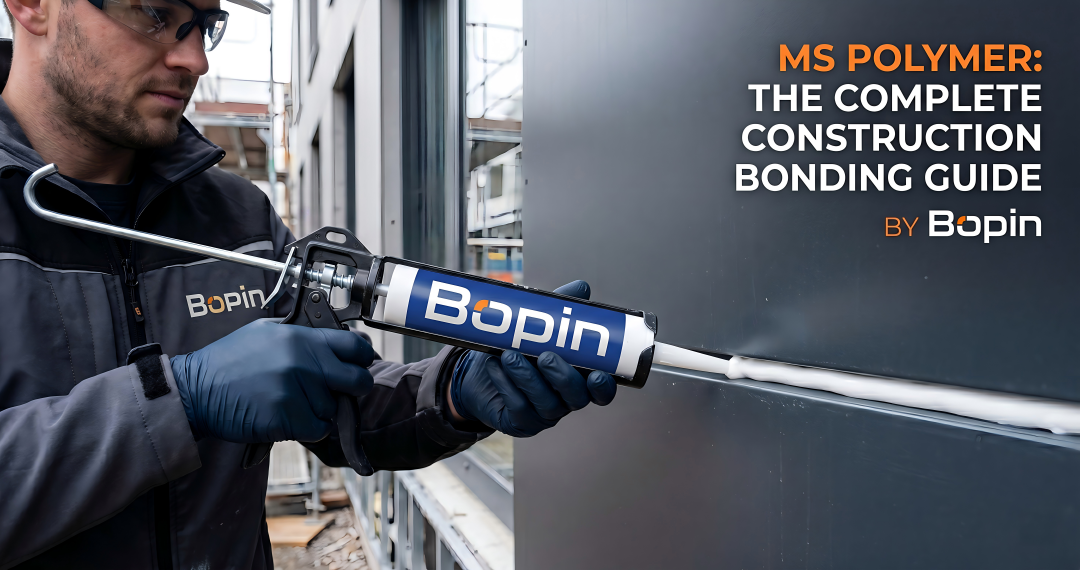
When you seal something outdoors, you’re fighting a battle against nature itself. Rain, sun, snow, and wind all want to destroy your sealant and get into your building. The right outdoor waterproof silicone sealant wins this battle – the wrong one loses in just a few years.
Think of outdoor sealing like choosing armor for a knight. Regular indoor sealant is like lightweight clothing – fine for comfortable indoor conditions but useless against nature’s attacks. Quality outdoor silicone sealant is like full battle armor – built to withstand whatever weather throws at it.
Why Outdoor Sealing Is So Tough
Outdoor conditions are brutal for any material. Here’s what your sealant faces every single day:
The Sun (Public Enemy #1)
UV rays from the sun are invisible destroyers. They break down materials at the molecular level, making sealants yellow, crack, and fall apart.
It’s like leaving a plastic toy in your car on a hot summer day – it gets brittle and breaks easily. Without UV protection, even the best sealant becomes junk in just a few years of sun exposure.
Quality outdoor waterproof silicone sealant includes special UV blockers that act like sunscreen, protecting the material from damage for 15-20+ years.
Hot and Cold Extremes
Imagine your sealant expanding and contracting every single day as temperatures swing from freezing nights to hot afternoons.
This constant movement would crack concrete, but quality outdoor silicone sealant stays flexible through temperature swings from -40°C to +60°C (-40°F to +140°F).
Poor sealants get hard in cold weather and soft in hot weather – either way, they fail when you need them most.
Water (The Persistent Attacker)
Water never gives up. It finds every tiny crack and exploits every weakness.
When water freezes, it expands with enough force to split rocks. Your sealant must keep water out completely and stay flexible even when that water tries to freeze and expand.
Waterproof silicone sealant creates a barrier that water simply cannot penetrate, even under pressure or during storms.
Wind and Movement
Buildings move more than you think. Wind pushes on walls, temperature changes make materials expand and contract, and your sealant must handle all this movement without breaking.
It’s like being a rubber band that never breaks – quality outdoor sealant stretches and flexes millions of times without failing.
Understanding What “Outdoor Rated” Really Means
Not all “outdoor” sealants are created equal. Here’s how to understand what you’re actually buying:
Basic Outdoor vs. Premium Weather Resistance
Basic outdoor products might last 3-5 years before you see problems like yellowing or cracking.
Premium outdoor waterproof silicone sealant keeps working and looking good for 15-20+ years even in harsh conditions.
The difference is like comparing a basic umbrella to professional rain gear – both claim weather protection, but only one really delivers long-term performance.
Temperature Ratings Made Simple
Standard outdoor sealants handle normal weather in most places – think -40°C to +80°C (-40°F to +175°F).
Extreme weather products work in the harshest conditions – from arctic cold to desert heat.
High-temperature outdoor formulations combine weather resistance with heat performance for special applications like solar panels or hot climates.
Capacidad de movimiento
Buildings move, and your sealant must move with them.
Basic products stretch about 12% without breaking – enough for most applications.
Productos premium can stretch 25-50%, essential for challenging applications with lots of movement.
Think of it like yoga flexibility – the more flexible your sealant, the better it handles building movement.
Types of Outdoor Waterproof Silicone Sealant
Different outdoor jobs need different types of sealant:
For Big Glass Buildings (Structural Glazing)
These sealants don’t just keep weather out – they actually hold the glass in place.
They must be incredibly strong and reliable because failure could mean falling glass.
Professional structural products combine maximum weather resistance with structural strength for demanding architectural projects.
For Regular Construction (Windows, Doors, General Sealing)
This covers most outdoor sealing jobs like sealing around windows, doors, and general building joints.
These products balance good performance with reasonable cost for standard construction work.
For Marine and Coastal Areas
Salt water is extremely aggressive – it attacks both the sealant and whatever it’s stuck to.
Marine-grade waterproof silicone sealant fights off salt spray, constant moisture, and intense UV while keeping boats, docks, and coastal buildings sealed tight.
For Roofs and Extreme Exposure
Roofs get hit with everything nature has – direct sun, rain, wind, and temperature extremes.
Roofing sealants need maximum toughness to survive years of punishment without letting water through.
What Makes Outdoor Sealant Special
Quality outdoor waterproof silicone sealant has several superhero powers:
UV Protection (Like Sunscreen for Sealant)
The best products use multiple layers of UV protection:
UV absorbers soak up harmful rays before they can cause damage.
Reflective particles bounce sunlight away from the sealant.
Stabilizers prevent the chemical breakdown that causes aging.
This triple protection keeps your sealant working and looking good for decades.
Sticks Even When Wet
Many outdoor surfaces are damp when you need to seal them. Regular sealants might not stick properly to wet surfaces.
Quality outdoor products bond strongly even to slightly wet surfaces and develop full strength as conditions improve.
Handles Temperature Swings
Daily temperature changes create constant stress as different materials expand and contract at different rates.
Poor sealants develop cracks from this stress, allowing water to get in and cause bigger problems.
Premium outdoor waterproof silicone sealant handles thousands of temperature cycles without cracking or losing its grip.
Resiste ataques químicos
Outdoor sealants face various chemicals:
- Acid rain and pollution
- Cleaning products
- Salt spray near oceans
- De-icing chemicals in winter
Quality products shrug off these chemical attacks without losing performance or changing appearance.
Choosing the Right Product for Your Weather
Different climates create different challenges. Here’s how to match your sealant to your weather:
Hot, Sunny Places (Desert, Tropical)
If you live where the sun is intense and temperatures get very hot:
You need maximum UV protection to prevent sun damage.
Resistencia al calor so the sealant doesn’t get soft and fail.
Light colors that don’t absorb as much heat.
Dirt resistance so your sealant stays looking clean.
UV-resistant facade sealants are perfect for high-sun environments.
Cold Places (Northern Climates)
If you deal with freezing winters and ice:
Flexibilidad a bajas temperaturas so the sealant doesn’t crack when it’s cold.
Resistencia a la congelación y descongelación to handle ice formation without damage.
Quick recovery – the sealant bounces back when temperatures warm up.
De-icing chemical resistance if roads get salted in winter.
Near the Ocean (Coastal Areas)
Salt water and salt air are extremely tough on materials:
Salt spray resistance so the sealant doesn’t break down from constant salt exposure.
Enhanced UV protection (sun reflects off water, making UV stronger).
Superior wet adhesion for surfaces that are often damp.
Resistencia a la humedad for constantly humid conditions.
Places with Four Seasons
If you get hot summers, cold winters, and everything in between:
Amplio rango de temperatura, so one product works year-round.
All-weather capability to handle whatever nature throws at it.
Balanced protection against UV, cold, heat, and moisture.
Proven long-term performance through all kinds of weather.
How to Apply Outdoor Sealant for Best Results
Getting professional results isn’t complicated if you follow these steps:
Before You Start (Surface Prep)
Limpia todo a fondo. Outdoor surfaces collect more dirt, dust, and grime than indoor surfaces.
Check for moisture. Some outdoor materials hold water that can affect how well the sealant sticks.
Consider primer. Weathered or difficult surfaces might need primer for the best bond.
Check the weather forecast. Don’t start if rain is coming or if it’s too hot or cold.
Getting the Joint Right
Make joints the right size – typically twice as wide as they are deep for outdoor work.
Use backing material to control how deep the sealant goes and help it move properly.
Plan for water drainage – joints should shed water, not collect it.
Think about movement – outdoor joints move more than indoor ones.
Application Tips
Best weather for application:
- Temperatura: 5-35°C (40-95°F)
- Low humidity
- Calm winds
- No rain expected for 24+ hours
Avoid applying when:
- Rain is coming soon
- Surfaces are too hot to touch comfortably
- High winds could blow dirt into your work
- Freezing conditions
Después de la solicitud
Protect the fresh sealant until it’s tough enough to handle weather:
Keep rain off for at least 24 hours while it cures.
Don’t let debris blow into the wet sealant.
Dejar curar por completo (usually 24-72 hours) before exposing to severe weather.
Taking Care of Your Outdoor Sealant
A little maintenance goes a long way:
Inspección regular
Check your sealant at least once a year para:
- Grietas o huecos
- Edges pulling away from surfaces
- Color changes that might indicate problems
- Dirt or debris buildup
After big storms, take a quick look to make sure everything is still sealed properly.
Simple Maintenance
Keep joints clean – remove leaves, dirt, and debris that can stress the sealant.
Cut back vegetation that might grow against or into sealed joints.
Solucione los pequeños problemas de inmediato. before they become big, expensive problems.
Knowing When to Replace
Even the best outdoor sealant eventually needs replacement:
Reemplazar cuando veas:
- Cracks that won’t go away
- El sellador se despega de las superficies
- Major color changes
- Age (even a good sealant over 20 years old should be considered for replacement)
Replace it before it fails para prevenir daños por agua.
Indoor vs. Outdoor: Why the Difference Matters
Understanding why outdoor products cost more helps justify the investment:
What Indoor Sealant Faces
Stable temperatures – usually between 18-25°C (65-75°F) year-round.
No UV exposure – indoor lighting doesn’t damage sealant.
Limited chemicals – just normal cleaning products.
No weather – no rain, wind, or temperature extremes.
What Outdoor Sealant Must Survive
Extreme temperatures – from freezing to very hot.
Constant UV radiation – the sun never stops attacking.
All kinds of weather – rain, snow, wind, and storms.
More chemicals – pollution, salt spray, cleaning products.
The tougher environment requires tougher products – that’s why outdoor waterproof silicone sealant costs more but provides essential protection.
Cost vs. Value: Making Smart Choices
Understanding the real cost helps you make better decisions:
Initial Cost Reality
Premium outdoor waterproof silicone sealant costs 2-3 times more than basic products.
However, the material cost is usually only 10-20% of the total project cost; labor and equipment cost the same regardless of product quality.
The small extra cost for better materials provides much better long-term value.
Valor a largo plazo
Service life comparison:
- Basic products: 3-5 years before problems start
- Premium products: 15-20+ years of reliable service
Replacement costs include:
- New materials
- Labor (often more expensive than the original installation)
- Access equipment for high or difficult locations
- Possible damage from failed seals
Prevention value:
- No water damage from failed seals
- No emergency repairs
- No business interruption
El resultado final
Quality outdoor sealant is insurance against expensive problems.
The cost of doing it right is small compared to the cost of doing it wrong.
Buildings are long-term investments that deserve long-term protection.
Problemas comunes y soluciones fáciles
When outdoor sealants don’t work as expected:
Sun Damage (Yellowing, Cracking)
Lo que ves: Sealant turns yellow, gets hard, and develops surface cracks
Why it happens: Poor UV protection, extreme sun exposure
Cómo solucionarlo: Use higher UV-resistance products, consider lighter colors, and add surface protection
Won’t Stick Properly
Lo que ves: Sealant pulls away from surfaces, loses its grip
Why it happens: Dirty surfaces, wet conditions during application, wrong product for the material
Cómo solucionarlo: Better surface cleaning, use primer when needed, choose compatible products
Cracks and Splits
Lo que ves: Cracks through the sealant, splits where it meets surfaces
Why it happens: Too much movement for the sealant to handle, poor joint design
Cómo solucionarlo: Use more flexible products, redesign joints, and add expansion joints for long runs
Cambios de color
Lo que ves: Fading, yellowing, darkening
Why it happens: UV exposure, chemical contamination, and normal aging
Cómo solucionarlo: Use fade-resistant formulations, regular cleaning, and protective treatments
Quality Standards You Can Trust
Reliable products meet industry standards:
Key Standards
ASTM C920 – El estándar principal para selladores de construcción
ASTM C794 – Tests how well sealants stick to surfaces
ASTM G154 – UV resistance testing
These standards ensure products actually work as advertised in real-world conditions.
What Testing Tells You
UV chamber testing simulates years of sun exposure in weeks.
Ciclos de temperatura rapidly heats and cools samples to test durability.
Salt spray testing checks resistance to coastal conditions.
Real-world performance data from actual buildings over many years provides the best evidence.
Aplicaciones especiales
Some outdoor jobs need special solutions:
High-Rise Buildings
Tall buildings face extreme wind and difficult maintenance access.
Requisitos:
- Maximum durability for long service life
- Structural strength for wind loads
- Proven performance in similar applications
Solar Panel Systems
Solar installations face extreme conditions while providing 25+ year warranties.
Special needs:
- Máxima resistencia a los rayos UV
- High-temperature capability
- Electrical safety
- Long-term reliability
Historic Buildings
Old buildings need modern performance with a traditional appearance.
Consideraciones:
- Visual compatibility
- Reversibility for future work
- Chemical compatibility with old materials
- Regulatory approval
Preguntas frecuentes
How long does outdoor waterproof silicone sealant last?
Quality outdoor waterproof silicone sealant typically lasts 15-20+ years in most climates with proper installation and care. Actual life depends on sun exposure, temperature extremes, and local weather conditions. Premium weather-resistant products often last even longer in demanding outdoor applications.
What’s the difference between water-resistant and waterproof?
Water-resistant products handle light moisture like dew or brief rain. Waterproof silicone sealant stops water completely – even driving rain, standing water, or water under pressure. For outdoor use, always choose truly waterproof products for reliable protection.
Can I use sellador de baño outdoors?
Bathroom sealants are designed for aplicaciones para zonas húmedas but lack the UV resistance and weather protection needed for outdoor durability. Even in covered areas, outdoor temperature swings and conditions will cause indoor products to fail quickly. Always use outdoor-rated products for exterior applications.
How do I know when my sealant needs replacing?
Look for visible problems like cracks, gaps, color changes, or hardening. Also consider age – sealant over 15-20 years old may need replacement, even if it looks okay. Regular yearly inspection helps catch problems early before they cause water damage.
What weather conditions affect outdoor sealant most?
UV radiation from the sun causes the most long-term damage by breaking down the sealant chemistry. Temperature extremes create mechanical stress, while freeze-thaw cycles can cause adhesion failure. Coastal salt spray and urban pollution also speed up degradation. Choose products designed for your specific climate challenges.
Guía de selección rápida
Simple reference for choosing the right product:
By Climate
- Hot/Sunny: Maximum UV protection, heat resistance
- Cold/Northern: Low-temperature flexibility, freeze-thaw resistance
- Coastal: Salt spray resistance, enhanced UV protection
- Variable/Four Seasons: Wide temperature range, all-weather capability
By Application
- Windows/Doors: Standard outdoor sealant
- Large Glass: Structural glazing sealant with weather resistance
- Roofing: Maximum UV and heat resistance
- Marine/Coastal: Salt spray and moisture resistance
By Performance Level
- Basic: 3-5 year life, standard weather protection
- Premium: 15-20+ year life, enhanced all-weather performance
- Extreme Duty: Maximum durability for harsh conditions
Conclusión
Outdoor waterproof silicone sealant is your building’s first line of defense against nature’s daily attacks.
Success means understanding your climate challenges and choosing products built to handle them. Quality outdoor sealants cost more upfront but save money long-term through extended life and preventing damage.
Don’t gamble with your building’s protection. The cost of failed sealing – water damage, structural problems, emergency repairs – far exceeds the investment in quality materials.
Choose products designed for your specific conditions, apply them properly, and maintain them regularly. Your building will stay dry and protected for decades when you use the right outdoor waterproof silicone sealant.
Work with suppliers who understand both products and weather challenges. Expert guidance helps you choose correctly and avoid expensive mistakes.
Remember: good outdoor sealing is like good insurance – you’re glad you have it when you need it.
Protecting your projects from weather challenges? BoPin Construction Chemicals offers proven outdoor waterproof silicone sealants engineered to withstand years of weather punishment while keeping your buildings dry and protected.