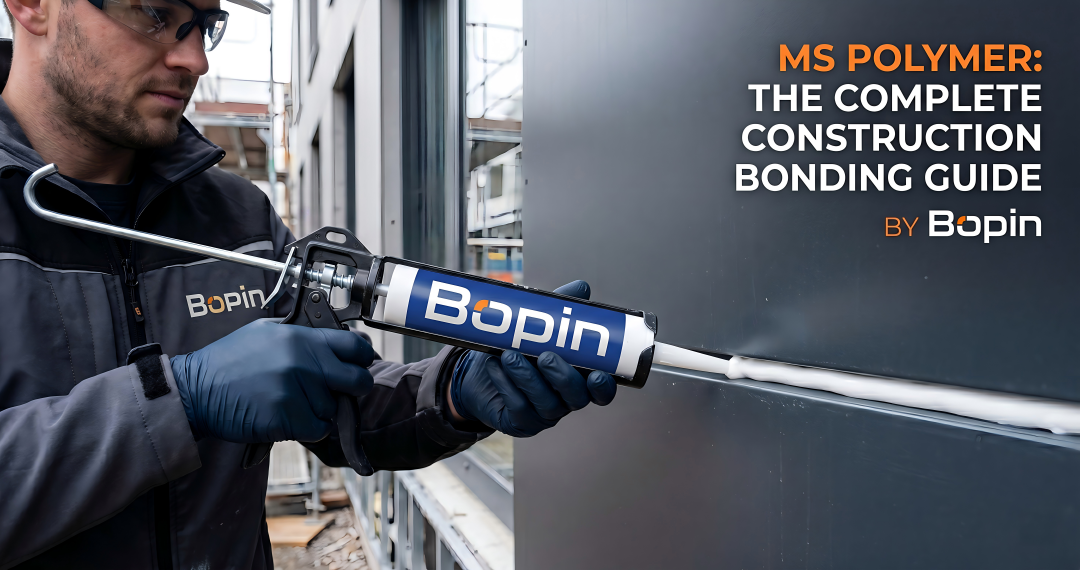
Wet area silicone is your first line of defense against water damage in bathrooms, kitchens, laundries, and other moisture-prone spaces. The wrong product or poor application can lead to expensive water damage, mold problems, and constant maintenance headaches.
Understanding what makes wet area silicone different from regular sealants and how to use it properly protects your property investment and keeps your spaces healthy and dry. Whether you’re building new or renovating existing wet areas, choosing the right approach saves money and prevents problems.
What Makes Wet Area Silicone Special
Wet area silicone faces challenges that would destroy regular construction sealants in months. Constant moisture, temperature fluctuations, cleaning chemicals, and potential water pressure create an environment that demands specialized performance.
The key difference is in the chemistry. Wet area silicone contains special additives that prevent water absorption, resist mold growth, and maintain flexibility despite constant moisture exposure. Regular silicone might look similar, but it lacks these critical protective features.
Waterproofing performance develops quickly but continues to improve. Most quality wet area silicone provides basic water resistance within 30 minutes and develops full waterproofing properties within 24-48 hours of application.
Chemical resistance is built in from day one. Wet area environments expose sealants to everything from mild soap to strong disinfectants. Without chemical resistance, even excellent waterproofing fails when cleaning products attack the sealant and cause it to break down or lose adhesion.
Where You Need Wet Area Silicone
Understanding where wet area silicone is essential helps you prioritize your sealing projects and budget appropriately.
Bathroom Applications
Shower enclosures are the most demanding wet area application. Daily water exposure, steam, temperature changes, and soap residue create perfect conditions for sealant failure if you use the wrong products.
Bathtub perimeters need specialized attention because they experience both water exposure and structural movement as the tub flexes under load. Quality wet area silicone handles this combination of challenges effectively.
Floor and wall joints in wet areas require products that can handle water pooling and potential pressure washing during deep cleaning.
Around fixtures like toilets, sinks, and shower bases, where water can accumulate and create constant moisture exposure.
Kitchen Wet Areas
Kitchen backsplashes and countertop edges face water exposure combined with food acids, oils, and frequent cleaning with various products.
Around sinks and dishwashers, where water exposure is frequent and cleaning requirements are high for hygiene reasons.
Behind and around appliances that use water, where leaks can go unnoticed and cause extensive damage if not properly sealed.
Laundry and Utility Areas
Laundry tubs and washing machine connections need reliable sealing against both fresh water and detergent exposure.
Utility sinks and mop basins that see heavy use and strong cleaning chemicals require chemical-resistant wet area products.
Floor drains and connections where water pooling is expected and drainage is critical.
Commercial Wet Areas
Public restrooms and commercial kitchens face extreme conditions with frequent use, strong cleaning chemicals, and pressure washing.
Swimming pool areas and spa facilities, where chlorine and other pool chemicals create additional chemical resistance requirements.
Medical facilities and laboratories where cleaning and disinfection protocols demand the highest chemical resistance.
Types of Wet Area Silicone
Different wet area applications need different types of silicone Để đạt hiệu suất tối ưu và tuổi thọ cao.
Neutral-Cure Wet Area Silicone
Neutral-cure wet area silicone is the most versatile choice for most applications because it works safely with all common wet area materials.
These products don’t release corrosive vapors during curing, making them safe for occupied spaces and compatible with metals, mirrors, and natural stone.
Curing time is moderate – typically 15-30 minutes to skin formation and 24-48 hours for full cure, giving you adequate working time for proper application.
Premium neutral-cure wet area products provide the best balance of safety, performance, and material compatibility for most wet area projects.
Acetoxy-Cure Wet Area Silicone
Acetoxy-cure products cure faster and often provide stronger initial adhesion, but have limitations in wet area use.
The acetic acid released during curing can damage mirrors, natural stone, and some metals commonly used in wet areas. They also produce strong vinegar odors that can be unpleasant in enclosed spaces.
However, they work well for basic ceramic tile applications where speed is important and material compatibility isn’t a concern.
Hybrid and MS Polymer Options
Modern hybrid sealants combine silicone performance with enhanced properties like paintability and improved chemical resistance.
These products often provide superior adhesion to difficult surfaces and better long-term flexibility than traditional silicones.
MS polymer wet area sealants offer excellent performance with enhanced environmental safety and broader material compatibility.
Structural Wet Area Silicone
For applications requiring load-bearing capability, like heavy glass panels or structural glazing in wet areas.
These specialized products provide both waterproofing and structural strength but typically require professional installation and engineering approval.
Key Performance Features to Look For
Understanding critical performance features helps you select the best wet area silicone for your specific needs.
Mold and Mildew Resistance
Anti-fungal protection is essential in wet area applications where mold growth can occur quickly in favorable conditions.
Quality wet area silicone contains fungicides that prevent mold growth on the sealant surface for the life of the product.
Without this protection, even excellent waterproofing becomes unsightly and potentially unhealthy as mold takes hold of the sealant surface.
Kháng hóa chất
Wet areas are cleaned regularly with various products from mild soaps to strong disinfectants and bleach solutions.
Good wet area silicone resists damage from common cleaning chemicals and maintains its properties and appearance despite regular exposure.
Commercial wet areas need enhanced chemical resistance to handle industrial-strength cleaners and disinfectants.
Khả năng di chuyển
Wet areas experience thermal movement from temperature changes between hot and cold water use.
Buildings also settle and move over time, and wet area seals must accommodate this movement without cracking or losing adhesion.
Quality wet area silicone typically handles ±25-50% movement depending on the specific product and application.
Khả năng chịu nhiệt
Wet areas experience temperature extremes from cold water to hot steam and everything in between.
Good wet area silicone maintains flexibility and adhesion from freezing temperatures to 80°C (176°F) or higher for steam rooms and saunas.
UV Resistance
Natural light in bathrooms and kitchens can degrade poor-quality sealants over time, causing yellowing and property loss.
Quality wet area silicone includes UV stabilizers that maintain appearance and performance despite light exposure.
Thực hành ứng dụng tốt nhất
Proper application technique is crucial for getting maximum performance from wet area silicone.
Chuẩn bị bề mặt
Thorough surface preparation is the foundation of successful wet area sealing. Any contamination, old sealant, or moisture will compromise adhesion and lead to early failure.
Loại bỏ hoàn toàn lớp keo cũ. using sharp knives and appropriate solvents. Ngay cả những cặn bẩn nhỏ cũng có thể ngăn cản sự bám dính đúng cách. of the new sealant.
Clean surfaces with appropriate solvents like isopropyl alcohol to remove soap residue, oils, and other contaminants that interfere with adhesion.
Đảm bảo bề mặt hoàn toàn khô ráo. trước khi nộp đơn. Any moisture can prevent proper curing and adhesion in wet area applications.
Thiết kế chung
Proper joint design is critical for wet area performance where water pressure and movement are factors.
The ideal joint ratio is 2:1 width to depth for most wet area applications. Một mối nối rộng 12mm sẽ sâu khoảng 6mm for optimal stress distribution.
Use appropriate backing material to control joint depth and prevent three-sided adhesion, which can cause stress cracking.
Ensure adequate joint width to accommodate expected movement without overstressing the sealant.
Kỹ thuật ứng dụng
Apply wet area silicone in consistent environmental conditions when possible. Avoid extreme temperatures, high humidity, or windy conditions that can interfere with proper curing.
Use steady, consistent pressure when applying to ensure uniform bead size and proper joint filling.
Tool the sealant promptly after application to ensure good contact with joint surfaces and create the proper concave profile for water shedding.
Work efficiently but don’t rush – most wet area silicones give you 10-20 minutes of working time before skin formation begins.
Bảo dưỡng và bảo vệ
Protect freshly applied wet area silicone from water exposure during initial curing. Most products need 2-4 hours before light water contact and 24 hours before full water exposure.
Avoid disturbing the sealant during curing, as this can affect final adhesion and water resistance properties.
Don’t clean the area for at least 24 hours after application to allow full development of chemical resistance.
Common Wet Area Challenges
Understanding common challenges helps you prevent problems and achieve better results.
High Humidity Conditions
Wet areas often have consistently high humidity that can affect sealant curing and performance.
Some wet area silicones are specifically formulated for high-humidity curing and perform better in constantly moist environments.
Improve ventilation when possible to help with curing and reduce long-term moisture stress on the sealant.
Frequent Cleaning Requirements
Wet areas require regular cleaning for hygiene, which can stress sealants with chemical exposure and mechanical action.
Choose products with enhanced chemical resistance if your cleaning requirements are intensive.
Use compatible cleaning products that won’t damage the sealant over time.
Thermal Cycling
Daily temperature changes in wet areas can be significant, especially in shower and bath environments.
Quality wet area silicone maintains flexibility through these cycles without cracking or losing adhesion.
Consider expansion joints for large areas where thermal movement is significant.
Water Pressure
Shower areas and commercial applications may experience significant water pressure that can stress sealant joints.
Proper joint design and quality products are essential for handling pressure applications.
Consider structural support for areas with extreme pressure requirements.
Maintenance and Inspection
Regular maintenance extends the life of wet area silicone and prevents small problems from becoming major failures.
Vệ sinh định kỳ
Clean wet area sealant regularly with mild, compatible cleaners to prevent buildup of soap scum and contaminants.
Avoid abrasive cleaners or scrubbing that can damage the sealant surface and create places for mold to grow.
Rửa sạch kỹ sau khi vệ sinh. để loại bỏ hết cặn bẩn còn sót lại.
Lịch trình kiểm tra
Inspect wet area seals every 3-6 months Kiểm tra xem có dấu hiệu nứt nẻ, co ngót hoặc nấm mốc phát triển hay không.
Look for water stains or damage around sealed areas that might indicate seal failure.
Check for color changes that might indicate chemical damage or UV degradation.
Early Problem Detection
Address small cracks or gaps immediately before they allow water penetration and cause more extensive damage.
Remove and replace any areas showing mold growth that can’t be cleaned off.
Don’t ignore minor issues – they typically get worse quickly in wet environments.
Lắp đặt chuyên nghiệp so với lắp đặt tự làm
Deciding whether to install wet area silicone yourself or hire professionals depends on several factors.
Khi nào nên sử dụng chuyên gia
Complex wet areas with multiple materials and angles often benefit from professional expertise and experience.
Commercial applications typically require professional installation to meet building codes and warranty requirements.
High-value finishes like natural stone or expensive tiles justify professional installation to avoid damage from mistakes.
Large projects benefit from professional efficiency and quality control systems.
Successful DIY Projects
Simple residential applications like basic bathroom resealing can be completed by careful homeowners.
Key success factors include thorough preparation, quality materials, proper tools, and adequate time for careful work.
Practice on less critical areas first to develop technique and confidence.
Tools and Equipment
Quality tools make a significant difference in both ease of application and final results.
Professional sealant guns provide better control and more consistent pressure than basic models.
Proper cutting and finishing tools help achieve professional-looking results.
Safety equipment, including gloves, eye protection, and ventilation, protects workers during application.
Khắc phục các sự cố thường gặp
When wet area silicone applications don’t go as planned, here’s how to diagnose and fix common issues:
Poor Adhesion
Usually caused by contaminated surfaces or moisture trong quá trình ứng dụng. Clean thoroughly and ensure complete dryness trước khi nộp đơn lại.
Some surfaces may require primer for optimal adhesion, especially porous materials in wet areas.
Temperature and humidity during application can affect adhesion development.
Mold Growth
Despite anti-mold additives, some mold growth may occur in extreme conditions or if the sealant surface is damaged.
Improve ventilation to reduce humidity and moisture residence time.
Check for water getting behind the sealant Thông qua các khe hở hoặc sự bong tróc.
Discoloration
Sự tấn công hóa học từ các sản phẩm tẩy rửa can cause color changes in wet area silicone.
UV exposure over time can cause yellowing in some products.
Hãy chuyển sang sử dụng các chất tẩy rửa nhẹ hơn. và nên cân nhắc thay thế nếu tình trạng đổi màu nghiêm trọng.
Premature Failure
Insufficient cure time before water exposure can cause early failure.
Wrong product selection for the specific wet area conditions.
Poor joint design that doesn’t accommodate movement or water exposure properly.
Các yếu tố chi phí
Understanding the economics of wet area silicone helps you make informed decisions about product selection and installation.
Product Cost Ranges
Basic wet area silicone costs $4-8 per tube and provides adequate performance for light-duty residential applications.
Premium wet area products cost $8-15 per tube but offer significantly better performance, longevity, and appearance retention.
Professional-grade products cost $12-20 per tube but provide maximum performance for demanding applications.
Chi phí lắp đặt
DIY installation costs only the material expense plus your time and effort.
Professional installation typically costs $3-8 per linear foot, depending on complexity and local labor rates.
Complex wet areas may cost $10-15 per linear foot for professional installation, including preparation and cleanup.
Giá trị dài hạn
Quality wet area silicone lasting 15-20 years provides excellent value compared to frequent replacement of cheaper products.
Prevention of water damage is worth far more than the cost difference between basic and premium products.
Enhanced appearance retention maintains property value and reduces maintenance costs.
Special Applications
Some wet area applications require specialized approaches and products.
Swimming Pools and Spas
Pool environments present extreme chemical challenges from chlorine, pH adjusters, and shock treatments.
Specialized pool-grade wet area silicone is essential for reliable performance in these conditions.
Temperature extremes in spas require products rated for higher temperatures.
Commercial Kitchens
Food safety requirements may mandate specific certifications for wet area sealants used around food preparation areas.
Frequent pressure washing requires products designed for high-pressure water exposure.
Extreme cleaning chemical exposure demands maximum chemical resistance.
Medical Facilities
Hospital-grade cleaning protocols require sealants that can handle harsh disinfectants and sterilizing agents.
Some applications may require special certifications for healthcare environments.
Steam Rooms and Saunas
Extreme temperature and humidity conditions require specialized high-temperature wet area silicones.
Constant moisture exposure makes mold resistance even more critical.
Future Maintenance Planning
Planning for future maintenance helps you get maximum value from your wet area silicone investment.
Inspection Schedules
Establish regular inspection routines based on the criticality and usage level of different wet areas.
Document problem areas that might need more frequent attention or different products in the future.
Replacement Planning
Quality wet area silicone typically lasts 15-20 years Với việc lắp đặt và bảo trì đúng cách.
Plan replacement projects before failure occurs to prevent water damage and more expensive repairs.
Hãy cân nhắc nâng cấp lên các sản phẩm có hiệu năng cao hơn. during replacement if conditions are more demanding than originally anticipated.
Building Improvements
Ventilation improvements can extend sealant life and improve overall wet area performance.
Drainage improvements reduce stress on wet area seals and prevent water accumulation problems.
Những câu hỏi thường gặp
What’s the difference between wet area silicone and regular bathroom silicone?
Wet area silicone is specifically formulated for constant moisture exposure with enhanced mold resistance, chemical resistance, and waterproofing properties. Regular bathroom silicone may not have these specialized features and might fail prematurely in demanding wet area conditions.
How long does wet area silicone take to cure before water exposure?
Most wet area silicone can handle light water contact after 2-4 hours, but needs 24-48 hours for full cure and maximum water resistance. Avoid heavy water exposure or submersion until full cure is complete.
Can I use wet area silicone outdoors?
Quality wet area silicone works well outdoors if it includes UV resistance and weather protection. Kiểm tra thông số kỹ thuật sản phẩm for outdoor suitability and temperature ranges for your climate.
Why does my wet area silicone keep failing?
Common causes include poor surface preparation, wrong product selection, inadequate ventilation, or extreme cleaning chemical exposure. Specialized wet area products with proper application typically provide 15-20 years of reliable service.
Is wet area silicone safe for food preparation areas?
Some wet area silicones are certified for food contact, but check specific product certifications. Food-safe ratings are important in commercial kitchens and food preparation areas.
Phần kết luận
Wet area silicone is essential protection against water damage in any space where moisture is present regularly. The specialized formulations provide performance that regular sealants simply cannot match in challenging wet environments.
Success depends on choosing the right product for your specific conditions and applying it with proper technique and preparation. Quality wet area silicone properly installed provides decades of reliable waterproofing and protection against mold, chemical damage, and structural water intrusion.
Don’t compromise on wet area sealing – the cost of failure far exceeds the investment in quality products and proper installation. When water protection is critical, specialized wet area silicone delivers the performance you need for long-term peace of mind.
Investment in quality wet area silicone pays dividends through reduced maintenance, better appearance retention, and protection of your property investment.
Protecting critical wet areas? BoPin Construction Chemicals offers specialized wet area silicones engineered for maximum performance in demanding moisture environments.