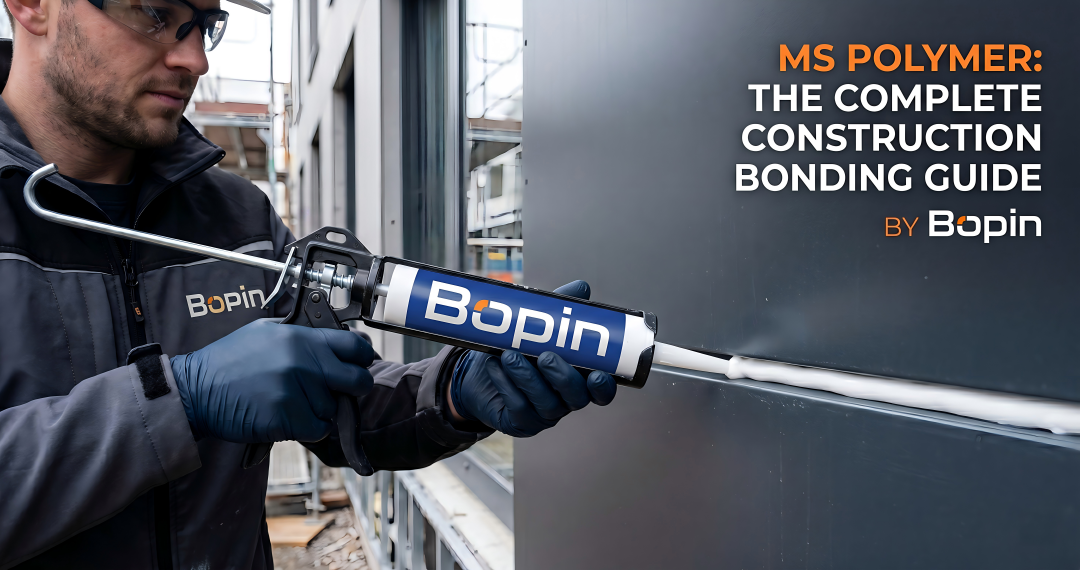
A silicone sealant gun is like a paintbrush for sealing – simple to use but requiring proper technique for professional results. Whether you’re sealing windows, fixing bathroom leaks, or tackling outdoor projects, knowing how to use a silicone sealant gun correctly makes the difference between neat, long-lasting work and messy failures.
This step-by-step guide teaches you everything from loading the gun to creating perfect finished joints. Master these techniques once, and you’ll handle any silicone caulk sealant project with confidence.
Understanding Your Silicone Sealant Gun
Think of your sealant gun as a precision tool, not just a tube squeezer. Understanding how it works helps you get better results with less effort.
Basic Gun Components
Your sealant gun has several key parts that work together to control the silicone flow:
The frame holds the cartridge and provides leverage for squeezing. The trigger controls how much pressure you apply. The plunger rod pushes against the cartridge to force out sealant. The release mechanism stops pressure when you want to stop the flow. The cartridge holder keeps your silicone caulk sealant tube secure.
Quality guns have smooth trigger action and reliable pressure release – cheap guns make good work nearly impossible.
Types of Sealant Guns
Manual guns require hand pressure and work fine for small projects and occasional use.
Battery-powered guns provide consistent pressure and reduce hand fatigue on large projects – worth the investment if you do regular sealing work.
Professional pneumatic guns offer the ultimate in control and consistency but require an air compressor.
For most homeowners and small contractors, a quality manual gun handles 90% of sealing projects perfectly.
Choosing the Right Silicone Caulk Sealant
Your gun is only as good as what you put in it. Different projects need different types of silicone caulk sealant for best results.
Understanding Cartridge Types
Standard 310ml cartridges fit most sealant guns and work for typical home projects.
Large 600ml cartridges require heavy-duty guns but reduce reload frequency on big jobs.
Squeeze tubes work for tiny repairs but don’t fit in guns – hand application only.
Always check cartridge compatibility with your gun before starting a project.
Matching Sealant to Application
Bathroom and kitchen sealing requires anti-mold formulations that resist moisture and cleaning chemicals.
Exterior building applications need weather-resistant products with UV protection and flexibility.
Shower and wet area sealing demands waterproof performance with enhanced mold resistance.
General construction work uses neutral-cure products compatible with most building materials.
High-temperature applications require specialized heat-resistant formulations.
Essential Tools and Preparation
Having the right tools ready makes the job flow smoothly without interruptions or messy mistakes.
Tools You’ll Need
- Quality sealant gun – the most important tool for good results. Sharp utility knife for cutting cartridge tips and removing old sealant.
- Cleaning supplies – degreaser, alcohol, or appropriate solvents Masking tape for clean lines and surface protection
- Smoothing tools – plastic scrapers or your finger Drop cloths to protect surrounding areas Rags or paper towels for cleanup
Professional tip: Wet your smoothing tool with soapy water to prevent sealant from sticking.
Surface Preparation
Clean surfaces are critical for proper adhesion – this step determines whether your seal lasts months or decades.
Remove all old sealant completely using a sharp knife and scraping tools. Even small pieces left behind prevent proper bonding of the new silicone caulk sealant.
Clean with appropriate solvents to remove soap scum, oils, and residues. Isopropyl alcohol works well for most surfaces.
Ensure surfaces are completely dry before applying new sealant – moisture prevents proper adhesion.
Check for damage or deterioration that needs repair before sealing.
Loading Your Silicone Sealant Gun
Proper loading prevents waste and ensures smooth operation throughout your project.
Step 1: Prepare the Cartridge
Check the expiration date – old silicone caulk sealant may not cure properly or adhere correctly.
Remove the cartridge cap and any foil seal from the tip end.
Check for separated material by gently shaking – some settling is normal, but chunky or watery material indicates problems.
Look for the plunger end – this goes toward the back of the gun.
Step 2: Load the Gun
Pull the plunger rod fully back using the release mechanism – this creates space for the cartridge.
Insert the cartridge with the tip pointing forward and the plunger end toward the back.
Push the plunger rod forward until it contacts the cartridge plunger – you should feel firm contact.
Test the trigger gently to ensure proper engagement before proceeding.
Step 3: Cut the Cartridge Tip
Cut at a 45-degree angle for better control and joint shape.
Start with a small opening – you can always cut more, but you can’t cut less.
Match the opening size to your joint width – typically 3-6mm for most applications.
Remove any debris from the tip opening before use.
Professional tip: The angle of your cut affects bead shape – steeper angles create wider, flatter beads.
How to Use Silicone Sealant Gun: Step-by-Step Application
Follow these steps for professional results every time you use your sealant gun.
Step 1: Test Your Gun
Squeeze the trigger gently to start sealant flow – this may take several squeezes for new cartridges.
Check for smooth, consistent flow without air bubbles or jerky movement.
Practice on cardboard or scrap material to get a feel for trigger pressure and gun movement.
Adjust your grip and stance for comfortable, controlled movement.
Step 2: Apply Masking Tape (Optional but Recommended)
Apply painter’s tape along both sides of the joint for clean, straight lines.
Press tape edges firmly to prevent sealant from bleeding underneath.
Leave an appropriate gap width for your intended joint size.
Don’t leave tape on too long – remove it while the sealant is still wet for best results.
Step 3: Begin Application
Position the gun at one end of the joint you’re sealing.
Hold the gun at a 45-degree angle to the joint for optimal bead shape.
Start squeezing the trigger gently while beginning to move the gun.
Maintain steady pressure and movement for consistent bead size.
Keep the tip in contact with the joint without dragging or binding.
Step 4: Control Your Speed and Pressure
Move at a steady pace – too fast creates thin spots, too slow creates thick buildup.
Adjust trigger pressure for consistent bead size throughout the joint.
Don’t stop and start within a continuous joint – this creates weak spots and poor appearance.
If you must stop, release pressure immediately to prevent over-application.
Step 5: Complete the Joint
Finish at the far end of the joint with a quick release of pressure.
Lift the gun away cleanly to avoid dragging sealant.
Check immediately for gaps or thin spots that need additional material.
Work efficiently – most silicone caulk sealant products give you 5-15 minutes to tool the joint.
Professional Tooling Techniques
Tooling creates the final appearance and performance of your sealed joint.
Choosing Your Tooling Method
A wet finger works well for most applications and gives good control.
Plastic smoothing tools provide more consistent results and better hygiene.
Specialized sealant tools offer professional results for demanding applications.
Avoid metal tools that can damage the sealant or substrate surfaces.
Tooling Process
Work quickly but carefully – you typically have 10-15 minutes before the sealant skins over.
Use smooth, continuous strokes for an even appearance and proper shaping.
Apply consistent pressure to create the desired concave profile.
Remove excess material cleanly without disturbing the joint.
Check for voids or imperfections and correct immediately.
Removing Masking Tape
Remove tape while sealant is still wet for clean lines and best appearance.
Pull at a 45-degree angle away from the joint to prevent tearing.
Work carefully to avoid disturbing the fresh sealant.
Touch up any imperfections immediately after tape removal.
Common Problems and Easy Solutions
Even experienced users encounter problems – here’s how to fix them quickly:
Gun Won’t Start Flowing
Check cartridge loading – the plunger rod must contact the cartridge plunger firmly.
Verify tip cutting – the opening may be too small or blocked with debris.
Test trigger mechanism – release and re-engage to ensure proper function.
Check for airlocks – sometimes new cartridges need several pumps to start flowing.
Inconsistent Bead Size
Maintain steady speed – varying movement speed causes uneven application.
Check trigger pressure – consistent pressure produces consistent results.
Verify gun condition – worn or damaged guns don’t maintain steady pressure.
Practice technique – smooth gun movement takes practice to master.
Sealant Won’t Stop Flowing
Use the pressure release immediately when stopping – this prevents continued flow.
Check release mechanism – make sure it’s working properly and fully disengaging.
Turn the gun upward to use gravity to help stop the flow.
Have cleanup materials ready for quick response to drips.
Poor Joint Appearance
Work within the tooling time – sealant that’s started to skin over won’t tool smoothly.
Use proper tooling technique – consistent pressure and smooth strokes.
Remove tape at the right time – too early or too late, both cause problems.
Practice on scrap material before tackling visible joints.
Maintaining Your Sealant Gun
Proper maintenance extends gun life and ensures reliable performance.
After Each Use
Clean the tip area to remove dried sealant that could block future use.
Release pressure completely to prevent stress on internal components.
Store in a clean, dry place away from temperature extremes.
Check for damage or wear that might affect performance.
Cartridge Storage
Seal opened cartridges with appropriate caps or plugs to prevent drying.
Store unopened cartridges in cool, dry conditions within the temperature ranges specified by the manufacturer.
Check expiration dates regularly and rotate stock to use the oldest materials first.
Don’t freeze silicone caulk sealant – this can permanently damage the material.
Gun Cleaning and Lubrication
Clean trigger mechanisms periodically to maintain smooth operation.
Lubricate moving parts according to manufacturer recommendations.
Replace worn components before they affect performance.
Inspect the pressure release regularly to ensure reliable operation.
Safety Considerations
Sealant application involves chemicals and tools that require basic safety precautions.
Personal Protection
Ensure adequate ventilation during application and curing – some products release vapors.
Wear appropriate clothing to protect skin from contact with uncured sealant.
Use eye protection when working overhead or in tight spaces.
Wash your hands thoroughly after handling sealant materials.
Workspace Safety
Protect surrounding areas from sealant drips and spills.
Ensure stable footing, especially when working on ladders or scaffolding.
Keep walkways clear of tools and materials to prevent tripping.
Have cleanup materials readily available for quick response to spills.
Chemical Safety
Read material safety data sheets for specific product information and precautions.
Follow manufacturer recommendations for ventilation and personal protection.
Store materials properly away from heat sources and incompatible materials.
Dispose of waste materials according to local regulations and manufacturer guidelines.
For detailed safety information, consult resources like OSHA guidelines for construction chemicals.
Project-Specific Applications
Different projects require slight variations in technique and approach.
Window and Door Sealing
Work from the outside in to ensure proper water shedding.
Pay special attention to corners where water tends to collect.
Coordinate with weatherstripping to avoid interference.
Consider seasonal movement when designing joint sizes.
For detailed building envelope techniques, see our professional installation guide.
Bathroom and Wet Area Applications
Ensure complete dryness before application – wet surfaces prevent proper adhesion.
Use anti-mold formulations specifically designed for wet environments.
Plan for frequent cleaning by choosing chemical-resistant products.
Allow adequate cure time before exposing to water or cleaning chemicals.
Kitchen Applications
Consider food safety when selecting products for areas near food preparation.
Plan for heavy cleaning with appropriate chemical-resistant formulations.
Coordinate with appliance installation for proper joint sizing and placement.
Address grease resistance in areas exposed to cooking activities.
Outdoor Projects
Monitor weather conditions carefully – temperature and humidity affect application and curing.
Use UV-resistant products for any sun exposure.
Plan for thermal movement in joints exposed to temperature cycling.
Consider seasonal timing for optimal application conditions.
For comprehensive outdoor sealing guidance, see our weather resistance analysis.
Troubleshooting Advanced Problems
When basic techniques don’t solve the problem, try these advanced solutions:
Adhesion Problems
Test surface compatibility with a small sample before full application.
Consider a primer for difficult substrates or critical applications.
Verify surface preparation – contamination is the most common cause of adhesion failure.
Check environmental conditions – extreme temperatures or humidity can affect bonding.
Curing Issues
Verify shelf life – expired products may not cure properly.
Check thickness – very thick applications cure more slowly.
Ensure proper ventilation – some products need air circulation to cure correctly.
Monitor temperature – extreme cold or heat can prevent proper curing.
Performance Problems
Match product to application – using the wrong type of sealant causes most performance issues.
Consider environmental factors – UV exposure, chemicals, and movement all affect performance.
Evaluate joint design – poor design causes stress that leads to failure.
Review installation quality – proper surface prep and application technique are critical.
Professional Tips for Better Results
These field-tested techniques separate amateur from professional results:
Before Starting
Plan your work sequence to minimize setup and cleanup time.
Have all tools and materials ready before opening the first cartridge.
Practice on hidden areas to perfect your technique before working on visible joints.
Check weather conditions for outdoor applications.
During Application
Work in sections you can complete and tools within the working time.
Maintain a consistent gun angle for uniform bead appearance.
Keep spare cartridges handy for large projects to avoid delays.
Clean up mistakes immediately before they cure and become permanent.
Quality Control
Inspect your work continuously for gaps, thin spots, or adhesion problems.
Test joints gently after initial cure to verify proper bonding.
Document your work with photos for future reference and warranty protection.
Follow up after curing to address any settling or shrinkage.
Industry Standards and Best Practices
Professional sealant application follows established standards for quality and safety.
Relevant Standards
ASTM C920 – Standard Specification for Elastomeric Joint Sealants provides performance requirements for construction sealants.
ASTM C1193 – Guide for Use of Joint Sealants offers installation guidance for various applications.
Building codes and industry guidelines provide specific requirements for different building types and applications.
Quality Assurance
Follow manufacturer instructions exactly for best results and warranty compliance.
Use appropriate products for each specific application and environment.
Document installation conditions, including temperature, humidity, and surface preparation.
Maintain quality control throughout the project to ensure consistent results.
Frequently Asked Questions
How do I know what size tip to cut on my silicone caulk sealant cartridge?
Start small and cut more if needed – you can’t make the opening smaller once cut. For most applications, a 3-4mm opening works well. Match the opening to your joint width – typically, about half the joint width gives good control. The 45-degree angle is more important than the exact size for creating a proper bead shape.
Why does my sealant gun keep dripping after I stop squeezing?
This usually means the pressure release isn’t working properly. Make sure you’re fully releasing the trigger and engaging the pressure release mechanism. Some guns have a separate release lever that you must activate to stop the flow. If the problem persists, your gun may need cleaning or replacement of worn internal components.
How long should I wait before tooling the silicone caulk sealant?
Tool immediately after application for best results. Most products give you 5-15 minutes before they start to skin over and become difficult to tool smoothly. Environmental conditions affect timing – hot, dry weather reduces working time while cool, humid conditions extend it. When in doubt, tool sooner rather than later.
Can I use the same gun for different types of silicone caulk sealant?
Yes, but clean thoroughly between different products to prevent contamination and incompatibility issues. Remove all residue from the gun tip and cartridge holder. Some specialized products may require dedicated guns to prevent cross-contamination. For critical applications, consider having separate guns for different sealant types.
What should I do if I make a mistake during the application?
Clean up wet sealant immediately with appropriate solvents before it cures. For major mistakes, remove all sealant and start over – trying to patch over mistakes rarely works well. Small imperfections can often be fixed during tooling if you catch them quickly. Remember that proper surface preparation prevents most application problems.
Advanced Techniques for Professional Results
These techniques help achieve consistently professional results:
Consistent Bead Size
Practice maintaining steady speed and pressure for uniform appearance.
Use guide strips or templates for complex or repetitive work.
Mark your progress on long runs to maintain consistent spacing and sizing.
Coordinate with team members on large projects for seamless results.
Complex Joint Configurations
Plan your approach for corners, intersections, and transitions.
Use proper sequencing to ensure continuous seals without weak points.
Consider expansion joints for long runs or high-movement applications.
Coordinate with other sealant types where different products meet.
Quality Documentation
Photograph before, during, and after installation for quality records.
Record environmental conditions during application.
Document any deviations from standard procedures.
Maintain material certificates and batch numbers for traceability.
Conclusion
Mastering how to use a silicone sealant gun properly transforms average DIY projects into professional-quality results. The key is understanding that consistent technique, proper preparation, and quality materials work together to create seals that last for decades.
Don’t rush the learning process – practice on scrap materials until your technique becomes smooth and automatic. The time invested in mastering these skills pays off through better results, fewer callbacks, and professional-looking work that builds your reputation.
Remember that your silicone caulk sealant is only as good as your application technique. Even premium materials fail when applied incorrectly, while proper technique can make standard products perform exceptionally well.
Start with simple projects to build confidence, then tackle more challenging applications as your skills develop. With practice and attention to detail, you’ll soon be creating perfect seals that protect buildings and satisfy customers for years to come.
Ready to tackle your sealing projects with confidence? BoPin Construction Chemicals offers professional-grade silicone caulk sealants and application support to help you achieve perfect results with every project.