Don’t Panic. A Roof Leak Can Be Fixed.
The dreaded water stain on your ceiling. It’s a homeowner’s nightmare that strikes at the worst possible moment. But before you call an expensive emergency roofer, you should know something important: many common leaks can be quickly and permanently fixed with the right roof patch and sealant.
This guide is your emergency action plan. We’ll show you how to find the source of the leak, choose the absolute best sealant for the job, and apply it for a durable, waterproof repair that will protect your home. No more sleepless nights worrying about water damage – let’s get your roof sealed properly.
1. Choosing Your Weapon: The Different Types of Roof Sealants
When you’re facing a roof leak, time is critical. But choosing the wrong sealant type will just create more problems down the road. Here’s what you need to know about your options:
Silicone-Based Sealants
Pros: 100% waterproof, excellent flexibility, superior UV resistance. Many can be applied directly to wet surfaces – crucial for emergency repairs.
En İyisi: All-around emergency repairs, flashing connections, vents, and gutters. Perfect when you need to stop a leak immediately, even in the rain.
Our Recommendation: BoPin 380 Hava Koşullarına Dayanıklı Cephe Mastik offers exceptional weatherproofing with ±50% movement capability. It’s specifically engineered for exterior applications with 20+ year service life.
MS Polimer Sızdırmazlık Malzemeleri
Pros: Combines silicone-like flexibility with paintable finish. Excellent adhesion to metals and exceptional movement accommodation.
En İyisi: Metal roofing systems, panel joints, and areas where you need both waterproofing and the ability to paint over the repair.
Our Top Pick: BoPin MS-340 Metal Çatı ve Panel Sızdırmazlık Malzemesi is specially formulated for metal roofing with extreme movement capability (±50%) and non-corrosive formula safe for all metals.
Elastomeric/Rubberized Sealants
Pros: Excellent flexibility, forms thick protective patches. Self-leveling varieties create smooth, professional finishes.
En İyisi: Larger cracks, seams on flat roofs, and areas with significant structural movement.
Roofing Tar/Asphalt Cement
Pros: Inexpensive, thick coverage.
Cons: Not UV stable (cracks over time), messy application. Often provides only temporary, not permanent, fixes.
When to Use: Only for immediate emergency stopgaps while you source proper materials.
2. Buyer’s Guide: What to Look For in the “Best” Roof Sealant
Not all roof sealants are created equal. When you’re making an emergency repair, you need products that won’t let you down. Here’s your quality checklist:
Essential Features for Reliable Repairs:
“Wet Surface” Application Capability
Can it be applied in the rain? This feature separates emergency-grade sealants from fair-weather products. Look for sealants specifically labeled for wet surface application.
Kalıcı Esneklik
Your roof moves constantly due to temperature changes, wind, and settling. The patch must move with your roof without cracking or losing adhesion. Look for movement capability of at least ±25%.
UV Stability
Your repair will face intense sun exposure. UV-resistant formulations prevent breakdown and cracking that would compromise your waterproof seal.
Geniş Sıcaklık Performansı
Quality roof sealants should perform from -40°C to +90°C, handling both winter cold snaps and summer heat waves.
Paintable (Optional)
While not essential for function, paintable sealants allow you to match your roof color for better appearance.
3. Our #1 Recommendation: The Best All-in-One Roof Leak Sealant
After extensive testing in extreme conditions across global markets, we’ve identified the professional’s choice for emergency roof repairs:
BoPin MS-340 Metal Çatı ve Panel Sızdırmazlık Malzemesi
Acil Onarımlar İçin Neden Profesyonellerin Tercihi?
Stops Leaks Instantly: Our advanced MS polymer formula can be applied directly to wet or dry surfaces, stopping leaks on contact. No waiting for perfect weather conditions.
Permanently Flexible: Creates a rubber-like seal with ±50% movement capability that flexes with temperature changes and structural movement. Your patch will never crack or pull away.
Extreme Weather & UV Resistance: Engineered to withstand temperature extremes from -40°C to +90°C with superior UV protection. Rain, snow, or blazing sun won’t compromise your repair.
Universal Metal Compatibility: Non-corrosive formula bonds to galvanized steel, aluminum, copper, and pre-coated metals without causing oxidation or staining.
Professional Results: Available in multiple colors (White, Grey, Black, Aluminum, Terracotta) for seamless roof matching.
Technical Specifications:
- Hareket Kabiliyeti: ±50% (industry-leading flexibility)
- Application Temperature: -10°C ila +40°C
- Hizmet Ömrü: 15-20 years in properly designed applications
- Standartlara Uygunluk: ISO 11600 F 25HM, ASTM C920
4. Application Guide: Where and How to Patch Common Leak Areas
Different roof areas require specific sealing approaches. Here’s your professional application guide:
For Asphalt Shingles
The Problem: Water penetrates through damaged or lifted shingles.
The Solution: Carefully lift the damaged shingle. Apply sealant generously underneath the shingle and press down firmly. Apply additional sealant over any nail holes or cracks.
Pro Tip: Work on cool mornings when shingles are flexible. Hot afternoon sun makes shingles brittle and prone to cracking.
For Metal Roofing Seams
The Problem: Thermal expansion causes seams to separate, creating water entry points.
The Solution: Clean the seam thoroughly. Apply BoPin MS-340 in a continuous bead along the entire seam length. Ensure complete contact with both metal surfaces.
Pro Tip: For long panels, use the formula: Joint Width = 100 + (0.2 × Panel Length in meters) in mm for optimal movement accommodation.
For Flashing Connections
The Problem: Gap between flashing and roof or chimney allows water infiltration.
The Solution: Remove old, deteriorated sealant completely. Apply fresh sealant in a continuous bead where flashing meets the roof surface. Tool smooth to ensure water runs off properly.
Pro Tip: Flashing repairs often require sealant on both the top and bottom edges for complete waterproofing.
For Roof Vents & Pipe Boots
The Problem: Rubber boots deteriorate, and connections loosen, creating leak paths around penetrations.
The Solution: Apply sealant around the base of the vent or pipe where it meets the boot. Also seal where the boot meets the roof surface.
Pro Tip: Don’t just seal the obvious gaps – check the entire perimeter of the boot for hairline cracks.
For Exposed Nails & Fasteners
The Problem: Wind-driven rain can penetrate around fastener heads, especially if washers are compressed or missing.
The Solution: Apply a small dab of sealant over each exposed fastener head. Ensure complete coverage without creating water-trapping valleys.
Pro Tip: Use colored sealant that matches your roof for invisible repairs.
5. How to Apply Roof Sealant: A 3-Step Emergency Guide
When you’re dealing with an active leak, speed and technique matter equally. Follow this proven process:
Step 1: Clean and Prepare
Remove all loose debris including leaves, dirt, old sealant chips, and any loose roofing material. Water won’t stick to dirty surfaces.
Scrape away old, failed sealant down to solid material. Half-measures here lead to complete failure later.
For metal surfaces: Clean with an alcohol-based cleaner to remove oils and oxidation that prevent proper adhesion.
Safety Note: Never work on wet roofs or in windy conditions. Your safety is worth more than any repair.
Step 2: Apply Generously
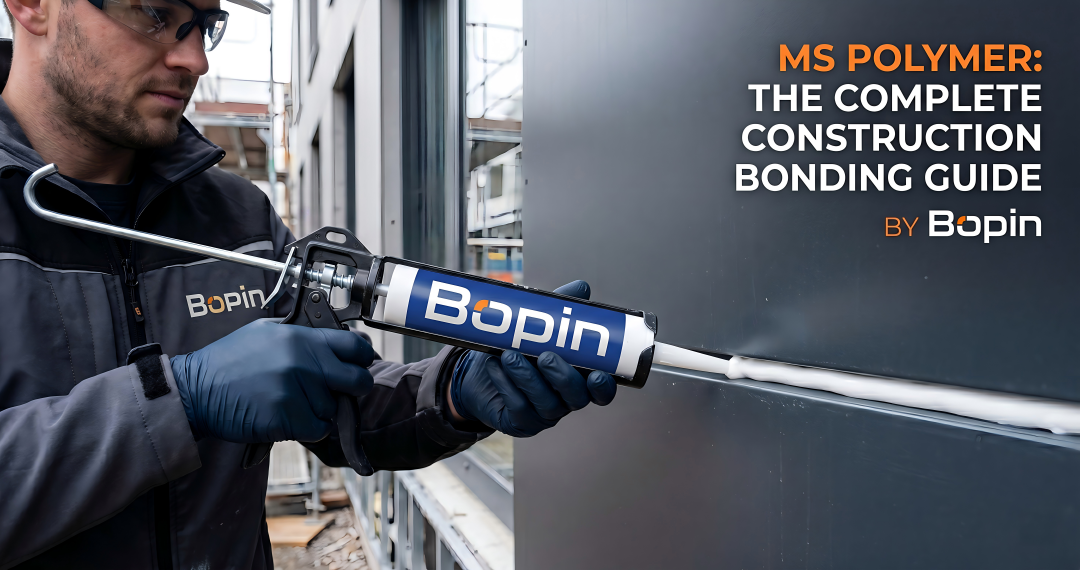
Cut the cartridge tip at a 45-degree angle for the desired bead size. Start with a smaller opening – you can always cut more.
Apply in a continuous bead using steady, even pressure on your caulk gun. Don’t stop and start within a single sealing area.
For emergency repairs: Apply generously. It’s better to use extra material than to have insufficient coverage.
Sistematik çalışın from lowest to highest point so gravity helps, not hinders, your application.
Step 3: Tool and Finish
Tool within 20 minutes of application using minimal soap solution on your finger or tool. Longer delays make tooling difficult.
Feather the edges so sealant creates a seamless transition with the roof surface. This prevents water collection points.
Check for gaps or air bubbles and address immediately. Small gaps become big leaks over time.
Allow proper curing time before exposing to heavy rain – typically 24-48 hours depending on conditions.
6. Roof Sealant FAQ
How long does roof sealant last?
Quality roof sealants like BoPin MS-340 typically provide 15-20 years of reliable service when properly applied. Extreme conditions or poor application can reduce this to 5-10 years. Regular inspection helps maximize service life.
Can I use roof sealant in the rain?
Yes, if you choose the right product. BoPin MS-340 can be applied to wet surfaces, making it ideal for emergency repairs during storms. However, allow proper curing time after application for optimal performance.
What’s the difference between roof sealant and roofing cement?
Roof sealants like silicone and MS polymer formulations offer superior flexibility, UV resistance, and longevity. Roofing cement (asphalt-based) is thicker and less expensive but generally provides shorter service life and less flexibility.
Should I remove old sealant before applying new?
Always remove old, failed sealant for best results. New sealant applied over deteriorated material will fail prematurely. Complete removal and proper surface preparation ensure maximum adhesion and longevity.
How much sealant do I need for my repair?
A 290ml cartridge of BoPin MS-340 covers approximately 12 linear meters of 5mm × 5mm joints. For emergency repairs, estimate generously – it’s better to have extra material than run short during critical repairs.
Can roof sealant be painted?
MS polymer sealants like BoPin MS-340 can be painted after full cure (typically 72 hours). Silicone sealants generally cannot be painted. Check product specifications if paintability is important for your application.
Conclusion: A Small Repair That Prevents a Big Disaster
When water starts dripping through your ceiling, every minute counts. But rushing to apply the wrong product or using poor technique often creates bigger problems than the original leak.
The key is to act fast with the right materials. Clean the area properly, apply a durable, flexible sealant designed for your specific roof type, and take time to do the job correctly the first time.
Having a high-quality, all-weather roof sealant on hand is the best insurance against costly water damage. Whether you’re dealing with metal roofing, shingles, or any other roofing system, choosing professional-grade products like BoPin MS-340 ensures your emergency repair becomes a permanent solution.
Don’t wait for a small drip to become a major problem. Be prepared with quality materials and the knowledge to use them effectively. Add BoPin MS-340 Metal Çatı ve Panel Sızdırmazlık Malzemesi to your toolkit today and get the peace of mind that comes with a permanent, waterproof repair.
Your roof protects everything you value most. Protect it with professional-grade sealants that won’t let you down.
For technical support or specific application questions, contact BoPin Construction Chemicals. Our technical team provides expert guidance to ensure optimal product selection and application for your specific roofing challenges.