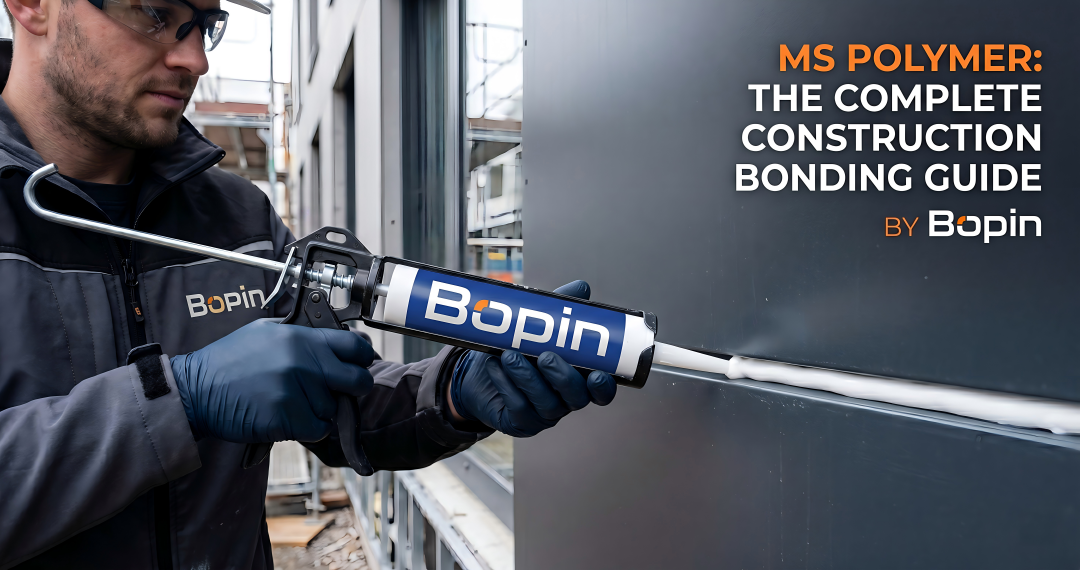
Food grade silicone sealant is specially formulated to be safe for contact with food and beverages. Unlike regular construction sealants, these products meet strict safety standards and won’t release harmful chemicals into your food. Whether you’re sealing kitchen countertops, commercial food equipment, or restaurant surfaces, using the right food safe silicone sealant protects both health and compliance.
This matters more than most people realize. Using the wrong sealant in food areas can lead to contamination, health violations, expensive equipment replacement, and even legal liability. Understanding food grade requirements and proper application ensures safe food handling and regulatory compliance.
What Makes Silicone Food Grade?
Food grade silicone sealant goes through special formulation and testing to ensure it’s safe for food contact. The key difference lies in what ingredients are used and what potentially harmful substances are deliberately left out.
Regular silicone contains additives that can leach into food. These might include heavy metals, volatile organic compounds (VOCs), or chemical accelerators that speed up curing but aren’t safe for food contact. Think of it like the difference between medical-grade materials used in hospitals versus regular industrial materials – both work for their intended purpose, but only one is safe for human contact.
Food safe silicone sealant uses platinum-based curing systems instead of tin-based systems. Platinum curing is cleaner and doesn’t leave potentially harmful residues. It’s more expensive to manufacture, but the safety benefits are crucial for food applications.
The manufacturing process also matters tremendously. Food grade products are made in controlled environments with strict quality control. Every batch is tested to ensure it meets safety standards. It’s like comparing food prepared in a restaurant kitchen versus an automotive garage – the result might look similar, but the safety standards are completely different.
Food grade silicone won’t support bacterial growth. The surface remains non-porous even after years of use, preventing bacteria and mold from finding places to hide and multiply. This is critical in commercial kitchens where food safety regulations are strictly enforced.
Safety Standards and Certifications
Understanding food safety certifications helps you choose products that meet legal requirements. Different regions have different standards, but several international certifications are widely accepted.
FDA (Food and Drug Administration) approval is the gold standard in many countries. FDA-compliant food grade silicone sealant meets strict requirements for food contact materials. The FDA tests for migration – whether chemicals from the sealant can transfer into food under normal use conditions.
NSF International certification provides another layer of assurance. NSF tests products specifically for use in commercial food service environments. Products with NSF certification have been tested under extreme conditions, including high temperatures, aggressive cleaning chemicals, and repeated sterilization cycles.
European regulations require compliance with EU 10/2011 standards. This regulation covers plastic materials and articles intended to come into contact with food. The standards are extremely detailed and include specific migration limits for hundreds of different substances.
BfR (German Federal Institute for Risk Assessment) recommendations are followed by many European manufacturers. BfR provides detailed guidance on what materials are suitable for food contact and under what conditions.
HACCP (Hazard Analysis Critical Control Points) compatibility is essential for commercial food operations. Food safe silicone sealant must not interfere with HACCP protocols and should actually support food safety objectives by creating cleanable, non-contaminating surfaces.
Main Applications for Food Grade Sealants
Food grade silicone sealant serves critical functions in both commercial and residential food environments. Understanding proper applications ensures safety and compliance.
Applications pour cuisines commerciales
Commercial food service has the most demanding requirements. Food safe silicone sealant is essential for sealing joints in stainless steel countertops, around sinks, and in food preparation areas. These environments face constant exposure to cleaning chemicals, high temperatures, and strict sanitation requirements.
Walk-in coolers and freezers rely on food grade sealants to maintain temperature control while preventing contamination. The sealant must remain flexible at extremely low temperatures while maintaining its food-safe properties.
Commercial dishwashing areas use food grade sealants around equipment and plumbing connections. The sealant must withstand repeated exposure to very hot water, steam, and strong detergents without degrading or releasing harmful substances.
Food Processing and Manufacturing
Food processing facilities require specialized sealing solutions. Food grade silicone sealant is used to seal equipment joints, inspection windows, and access panels. The sealant must maintain its integrity during CIP (Clean-in-Place) procedures that use caustic chemicals and high-pressure hot water.
Beverage production facilities use food safe silicone sealant for tank connections, piping joints, and equipment seals. The products must resist both acidic and alkaline conditions while maintaining complete food safety.
Pharmaceutical and nutraceutical manufacturing often requires the highest grade food safe sealants. These facilities follow FDA Good Manufacturing Practices (GMP) and require documentation proving sealant compliance.
Residential Kitchen Applications
Home kitchens benefit from food grade sealants around sinks, countertops, and backsplashes. While not legally required in residential settings, using food safe silicone sealant provides peace of mind and ensures the safest possible environment for food preparation.
Kitchen islands and breakfast bars where food is prepared should use food grade sealants for edge sealing and joint filling. This is especially important in families with young children who might have direct contact with these surfaces.
Pantry and food storage areas can benefit from food safe silicone sealant to create pest-proof seals while maintaining food safety standards.
How to Choose the Right Food Safe Silicone
Selecting the appropriate food grade silicone sealant requires understanding your specific needs and operating conditions. Not all food safe products are suitable for every application.
Temperature Requirements
Different applications have vastly different temperature demands. Standard food grade silicone typically handles temperatures from -65°F to +400°F (-54°C to +204°C). For most kitchen applications, this range is more than adequate.
High-temperature food processing requires specialized products. Some commercial cooking operations, steam cleaning, or autoclave sterilization may require sealants rated for higher temperatures. Always verify that the temperature rating exceeds your maximum operating conditions.
Freezer applications need low-temperature flexibility. Walk-in freezers, ice machines, and frozen food storage require sealants that remain flexible at very low temperatures without cracking or losing adhesion.
Chemical Resistance Needs
Commercial kitchens use aggressive cleaning chemicals. Food safe silicone sealant must resist chlorine bleach, quaternary ammonium compounds, acids, and alkaline cleaners without degrading or losing its food-safe properties.
CIP (Clean-in-Place) systems demand exceptional chemical resistance. Food processing facilities often use sodium hydroxide, nitric acid, and other industrial-strength cleaners. The sealant must maintain its integrity through hundreds of cleaning cycles.
Sanitizer compatibility is essential. Many food service operations use alcohol-based sanitizers, iodine solutions, or other antimicrobial treatments. These routine applications must not damage the sealant.
Color and Appearance Considerations
White and clear are the most common colors for food grade applications because they make it easy to spot contamination or damage. White sealant shows dirt and wear clearly, making maintenance and inspection straightforward.
Clear food grade silicone sealant works well where appearance matters or where you want the underlying surface to show through. This is popular in residential applications where aesthetics are important.
Colored food safe sealants are available, but options are limited compared to regular sealants. The pigments used must also meet food safety standards, which restrict color choices.
Installation Best Practices
Proper installation is critical for both performance and food safety. Even the best food grade silicone sealant can fail if applied incorrectly.
Préparation de la surface
Cleanliness is absolutely critical. All surfaces must be completely clean and free from oils, detergents, old sealant, and any contamination. Use food-safe cleaners and allow complete drying before sealant application.
Surface compatibility must be verified. Food safe silicone sealant adheres well to stainless steel, glass, ceramic, and most food-grade plastics. Test adhesion on a small area if you’re uncertain about compatibility.
Joint design affects both performance and cleanability. Joints should be designed with smooth transitions that don’t create crevices where bacteria can hide. Avoid complex shapes that are difficult to clean properly.
Application Technique
Environmental conditions during application matter. Apply food grade silicone sealant in moderate temperatures (60-80°F / 15-27°C) with moderate humidity for best results. Extreme conditions can affect curing and final properties.
Tool the sealant immediately after application. Use a clean, food-safe tool (never your finger in food areas) to create a smooth, cleanable surface. The goal is to eliminate any ridges or gaps where contamination could accumulate.
Allow complete curing before food contact. Most food safe silicone sealants require 24-48 hours to cure fully. Don’t rush this process – incomplete curing can affect food safety properties.
Quality Control
Inspect the installation carefully. Look for gaps, air bubbles, or poor adhesion that could compromise food safety. Any defects should be corrected immediately before the sealant fully cures.
Document the installation. In commercial applications, keep records of what products were used, when they were installed, and by whom. This documentation may be required for food safety audits.
Plan for inspection and maintenance. Establish a schedule for regular inspection of food grade sealant joints. Early detection of problems prevents contamination and reduces repair costs.
Erreurs courantes à éviter
Avoiding these common errors ensures successful food safe installations and prevents potentially expensive problems.
Using Non-Food Grade Products
The biggest mistake is using regular silicone in food areas. Regular construction sealants may look identical to food grade products but lack the necessary safety certifications. This can lead to contamination, regulatory violations, and liability issues.
“Kitchen and bath” sealants are not necessarily food grade. These products are designed for moisture resistance, not food safety. Always verify specific food grade certifications rather than assuming bathroom products are food safe.
Poor Surface Preparation
Inadequate cleaning leads to adhesion failure. Food preparation areas often have invisible oil and grease residues that prevent proper bonding. Use appropriate degreasers and verify complete removal before sealant application.
Applying over old sealant rarely works well. Old sealant may not be food grade, may be contaminated, or may prevent proper adhesion. Complete removal is usually the best approach, even though it requires more labor.
Incorrect Joint Design
Joints that are too wide or too narrow cause problems. Food safe silicone sealant works best in joints 6-25mm wide. Wider joints may sag or not cure properly, while narrow joints may not accommodate normal movement.
Complex joint shapes are difficult to clean. Avoid designs with sharp corners, deep recesses, or multiple angles that create hiding places for bacteria and make thorough cleaning impossible.
Rushed Installation
Insufficient curing time compromises food safety. The sealant must be completely cured before exposure to cleaning chemicals or food contact. Following the manufacturer’s cure time is not optional.
Poor environmental conditions during installation affect quality. Very hot, cold, humid, or dusty conditions can prevent proper curing and compromise the final product’s food safety properties.
Maintenance and Cleaning
Proper maintenance preserves both performance and food safety throughout the sealant’s service life.
Daily Cleaning Procedures
Regular cleaning prevents contamination buildup. Use food-safe cleaners and follow your facility’s standard operating procedures. Avoid abrasive cleaners or tools that could damage the sealant surface.
Rinse thoroughly after cleaning. Cleaning chemical residues can be as problematic as food contamination. Use potable water for final rinsing and allow complete air drying when possible.
Inspect during cleaning. Daily cleaning provides an opportunity to spot problems early. Look for cracks, gaps, discoloration, or areas where the sealant is pulling away from surfaces.
Deep Cleaning and Sanitizing
Food safe silicone sealant can withstand aggressive cleaning when necessary. Follow your HACCP procedures for deep cleaning and sanitizing. The sealant should maintain its properties through repeated exposure to approved sanitizers.
Steam cleaning is generally safe for food grade sealants, but verify the temperature rating first. Some commercial steam cleaners exceed 300°F (150°C), which could damage standard food safe sealants.
Document deep cleaning procedures. In commercial settings, maintain records of when deep cleaning was performed and what chemicals were used. This documentation supports food safety compliance.
Inspection and Replacement
Establish regular inspection schedules. Commercial facilities typically inspect monthly, while residential applications might be checked annually. Look for signs of wear, damage, or contamination.
Replace damaged sealant immediately. Compromised food grade sealant poses contamination risks and should be addressed promptly. Don’t attempt to patch or repair food safety sealants.
Plan replacement based on service life. Even high-quality food safe silicone sealant has limits. Most installations require replacement every 5-10 years, depending on use conditions and maintenance quality.
Professional Food Grade Sealing Solutions
When selecting food safe silicone sealant for your project, working with experienced suppliers ensures you get the right products and proper technical support. Professional-grade food safe sealants provide the reliability and documentation needed for commercial applications.
Key Features to Look For
Platinum-cure technology offers the cleanest and safest curing process for food contact applications. This advanced chemistry eliminates potential contaminants that can be found in tin-cure systems commonly used in construction sealants.
Complete documentation and certifications are essential for commercial food service applications. Look for suppliers who provide batch certificates, FDA compliance letters, and technical data sheets that verify food safety properties.
Temperature and chemical resistance specifications should match your specific operating conditions. Don’t compromise on performance requirements – the right food grade sealant should handle your most demanding conditions with a safety margin.
Partnering with Bopin: Your Professional Sourcing Solution
When selecting a food safe silicone sealant, partnering with an experienced sourcing specialist like Bopin ensures you get the right products with the proper technical support and documentation. I leverage my expertise to:
- Guide You Through Compliance: I understand food safety regulations and can help you navigate product selection and compliance requirements for your specific market.
- Connect You with Vetted Manufacturers: I maintain relationships with trusted Chinese manufacturers who specialize in high-purity, platinum-cure silicones and can provide complete documentation.
- Provide Full Export Support: I handle all the logistics and documentation, making your sourcing experience smooth and efficient.
My goal is to provide you with the reliability and traceability needed for commercial applications, combined with the personalized service of a dedicated export partner.
Questions fréquemment posées
Can I use regular silicone sealant in my kitchen?
For areas that contact food, always use certified food grade silicone sealant. Regular sealants may contain additives that aren’t safe for food contact. While not legally required in residential kitchens, using food safe products provides the highest level of safety for your family.
How do I know if a sealant is really food grade?
Look for specific certifications like FDA 21 CFR 177.2600 or NSF approval. Don’t rely on marketing terms like “kitchen and bath” or “mold resistant.” These don’t guarantee food safety. Always verify the actual certification numbers with the manufacturer.
What’s the difference between food grade and food contact approved?
Food contact approved is more specific and typically more stringent. It means the product has been tested for migration of substances into food under specific conditions. Food grade is a broader term that may not include direct food contact testing.
How often should food grade sealant be replaced?
Replacement frequency depends on use conditions and maintenance quality. Commercial kitchens typically replace food safe sealants every 3-5 years due to aggressive cleaning. Residential applications may last 7-10 years with proper care. Inspect regularly and replace when damaged.
Can food grade sealant be painted over?
Most food safe silicone sealants cannot be painted. The surface is designed to be non-porous and cleanable, which prevents paint adhesion. If you need a paintable food safe sealant, consider specialized acrylic products designed for food contact areas.
Conclusion
Food grade silicone sealant provides essential protection in environments where food safety is critical. The investment in certified food safe products pays for itself through regulatory compliance, reduced contamination risk, and peace of mind.
Proper selection, installation, and maintenance ensure that food grade sealants deliver their full safety and performance benefits. Whether you’re managing a commercial kitchen or upgrading your home, using certified food safe silicone sealant is a smart investment in health and safety.
Working with experienced suppliers ensures you get the right products, proper documentation, and technical support needed for successful food safe sealing applications. Professional guidance makes the difference between a compliant installation and potential food safety violations.
Ready to upgrade to food safe sealing? Contact qualified suppliers for expert guidance on food grade silicone sealant selection and application. Your safety and compliance should always be the top priority when working in food contact environments.
Need help choosing the right food safe silicone sealant for your project? Work with experienced suppliers who can provide personalized product recommendations and installation guidance.