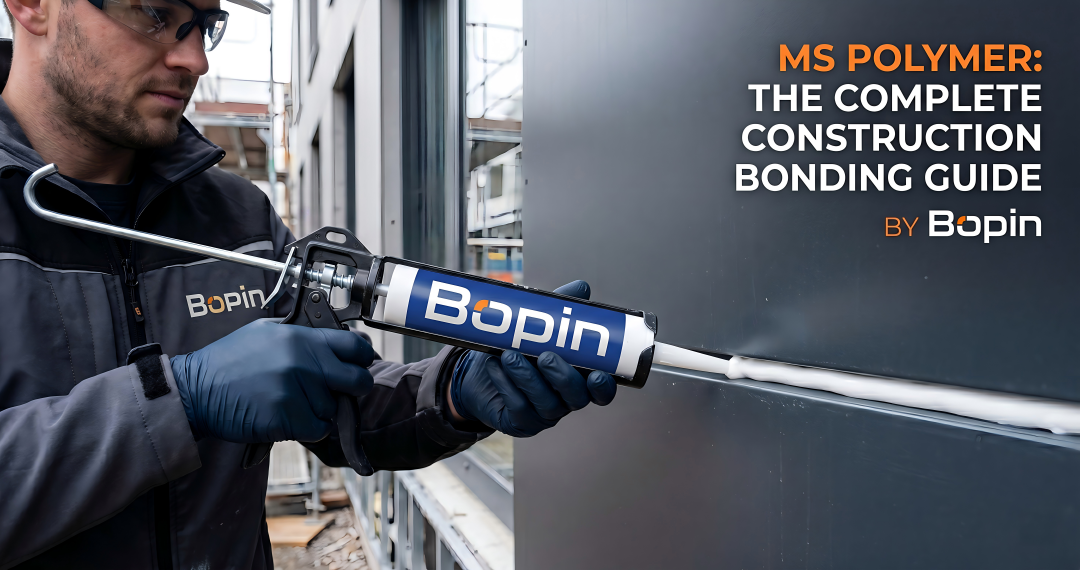
Piensa en el sellador de silicona como en un buen par de vaqueros: no es realmente permanente, pero dura mucho más que las alternativas más baratas. Si bien nada dura para siempre, un sellador de silicona de calidad puede proteger su hogar o edificio durante 20 a 50 años o más si se aplica correctamente. ¡Es como sellar el baño una sola vez y olvidarse del tema hasta la mediana edad!
He aquí por qué esto es importante: reemplazar un sellador viejo y defectuoso cuesta mucho más que hacerlo bien desde el principio. Es como la diferencia entre comprar zapatos de calidad que duran años y unos baratos que se rompen en meses. Saber cómo prolongar la vida útil del sellador de silicona puede ahorrarte mucho dinero y evitarte problemas por daños causados por el agua.
¿Por qué el sellador de silicona dura tanto?
El secreto de la asombrosa durabilidad de la silicona es como comparar el plástico con el papel. La silicona está hecha de materiales especiales que no se degradan fácilmente; se podría decir que es el "superhéroe" de los selladores. Mientras que otros selladores son como materiales comunes que se dañan con el sol, el calor y el frío, la silicona posee una especie de "campo de fuerza" especial que la protege.
He aquí una forma sencilla de entenderlo: los componentes básicos de la silicona son tan resistentes que ni siquiera los potentes rayos UV del sol pueden romperlos. Es como intentar romper una cadena de acero con una goma elástica: simplemente no tiene la fuerza suficiente para dañarla. Por eso, la silicona se mantiene flexible y resistente incluso después de años expuesta al sol abrasador o al frío.
Comparar los selladores convencionales con la silicona es como comparar un paraguas de papel con uno de metal en medio de una tormenta. Estudios que siguieron diferentes selladores durante 30 años. Descubrieron que, mientras que los selladores baratos se agrietan y fallan después de 5 a 10 años, la silicona de buena calidad se mantiene intacta durante más de 20 años. Es como la diferencia entre una cámara desechable y una profesional: ambas toman fotos, pero una dura mucho más.
Existen dos tipos principales de curado de la silicona (cómo se endurece): curado neutro y curado con acetoxi. Piensa en el curado neutro como el tipo "amigable" que se lleva bien con todo, mientras que el curado con acetoxi es el tipo "problemático" que puede dañar algunos metales. Para obtener resultados duraderos, el curado neutro suele ser la mejor opción.
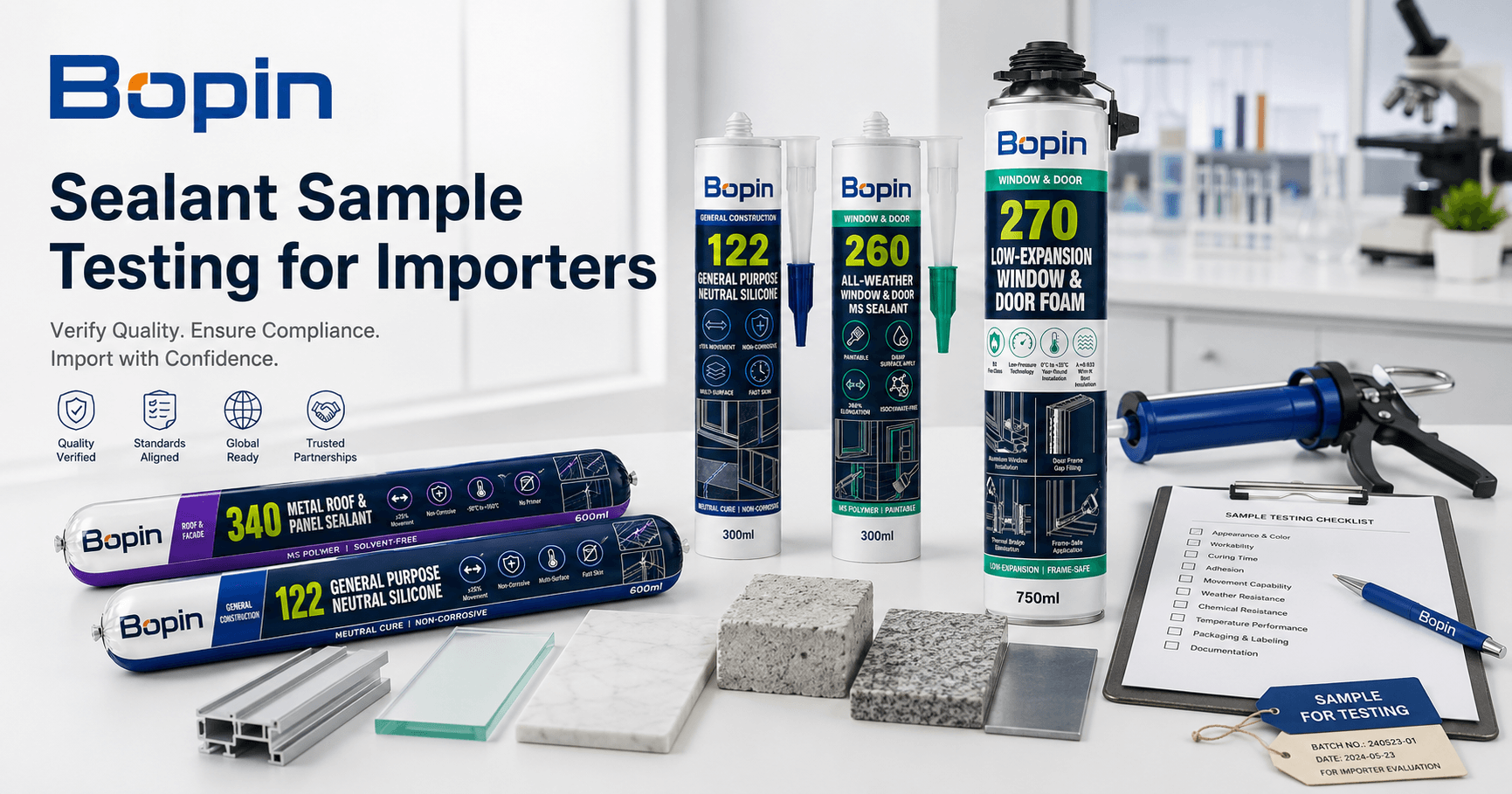
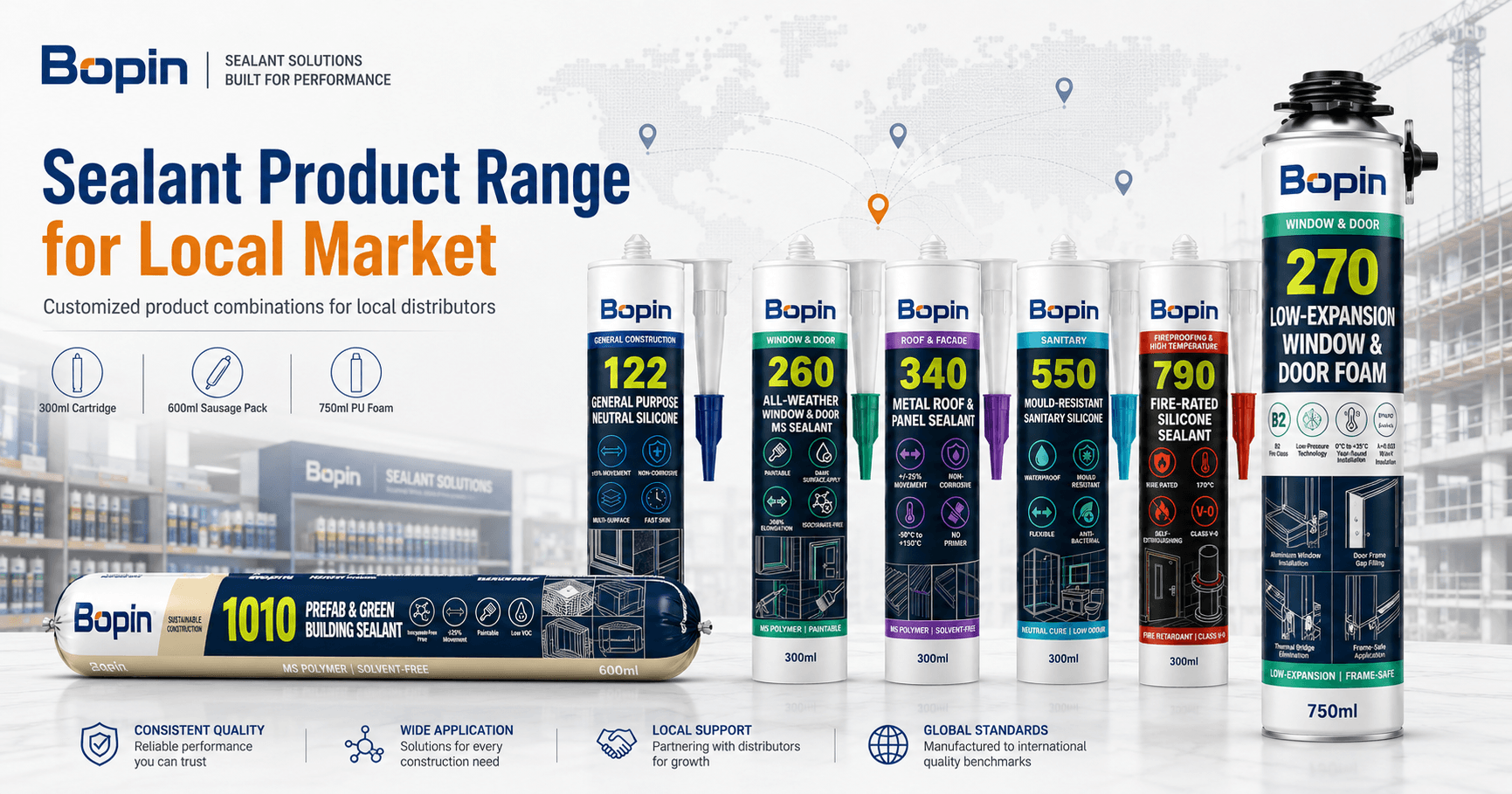
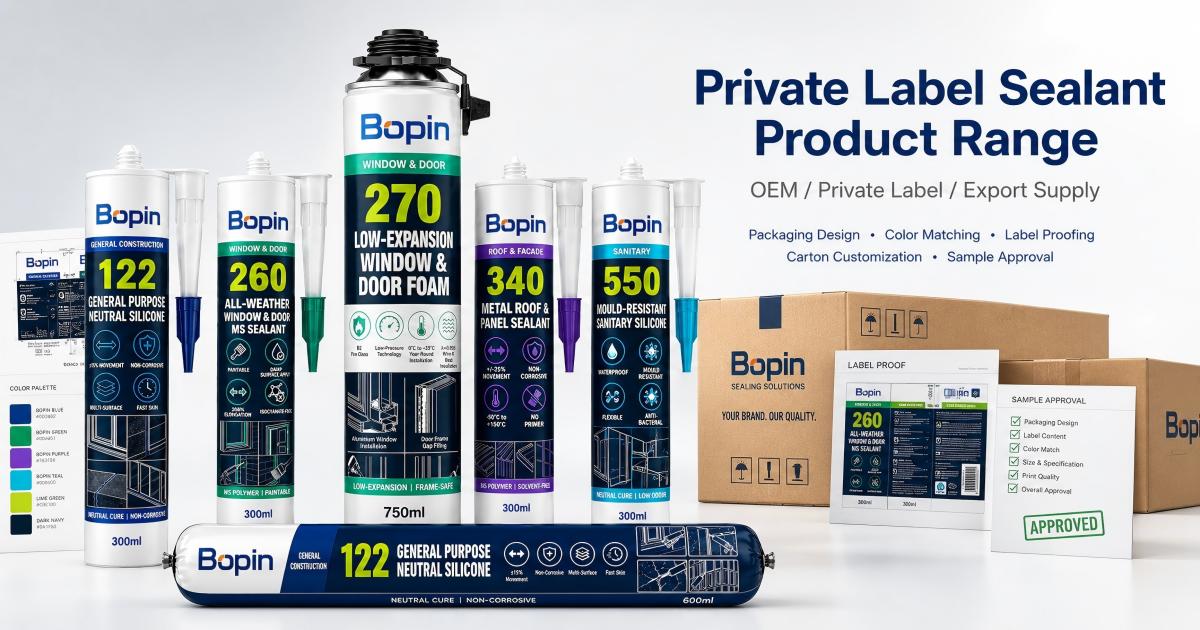
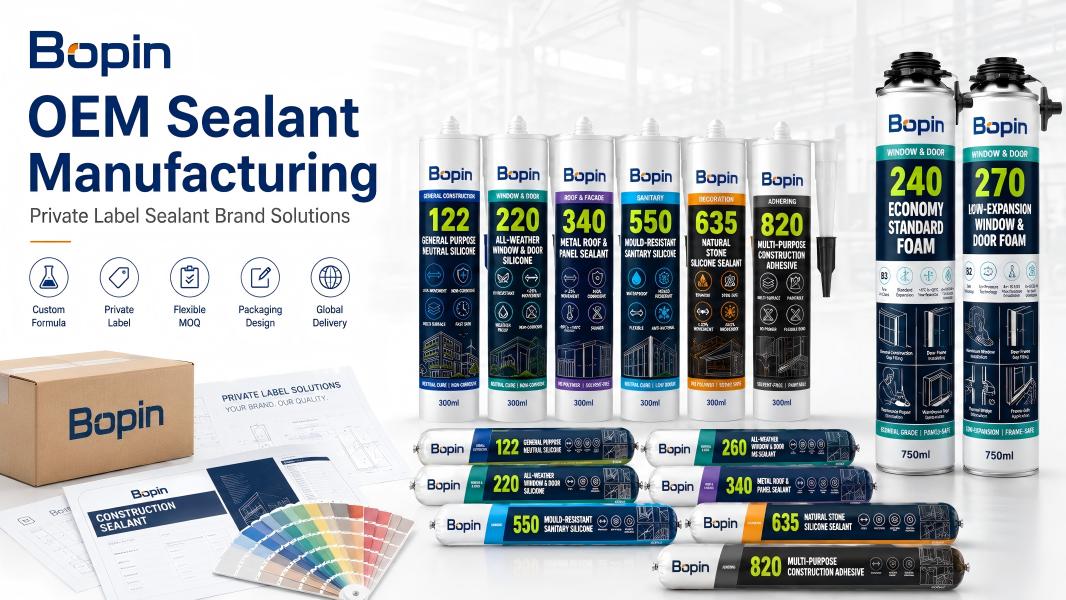
Productos de curado neutro de alta calidad como los selladores de uso general de BoPin. están diseñados para una máxima durabilidad Con estabilizadores UV y aditivos resistentes a la intemperie que prolongan la vida útil mucho más allá de las formulaciones básicas.
¿Qué hace que el sellador dure más o menos tiempo?
Al igual que la batería de tu teléfono dura más en algunas condiciones que en otras, el sellador de silicona se comporta de manera diferente dependiendo de a qué se enfrenta cada día. Los tres mayores enemigos del sellador son: la luz solar intensa (rayos UV), los cambios bruscos de temperatura y la humedad constante. ¿La buena noticia? ¡La silicona es bastante resistente a los tres!
Los cambios de temperatura son como hacer saltos de tijera para el sellador. Tiene que estirarse y contraerse constantemente. Los selladores comunes se desgastan y se agrietan, pero la silicona es como un instructor de yoga súper flexible que se adapta a los movimientos. Se mantiene flexible incluso con temperaturas extremadamente bajas (como -100 °C) o altas (como 300 °C). Sin embargo, en lugares con fluctuaciones extremas de temperatura diarias (como en zonas desérticas), se requiere una instalación especialmente cuidadosa.
La preparación de la superficie es como limpiar la piel antes de poner una venda. Para que funcione bien, debe adherirse correctamente. La silicona se adhiere mejor a superficies lisas y no porosas como vidrio, metal y azulejos. Es como intentar pegar cinta adhesiva a una mesa lisa en comparación con una pared de ladrillo rugosa: la superficie lisa siempre funciona mejor. Para superficies rugosas como el hormigón, se necesita una imprimación especial (como una base para esmalte de uñas) para que se adhiera correctamente.
Una instalación correcta es fundamental — Imagínese intentar rellenar un hueco demasiado ancho con poco sellador. La junta (hueco) debe diseñarse con una proporción de 2:1: si tiene 10 mm de ancho, debe tener 5 mm de profundidad. Una buena silicona puede soportar el movimiento 25-50%. en la junta, pero si se estira más allá de sus límites, incluso el mejor sellador fallará.
Los factores ambientales desempeñan un papel fundamental en la durabilidad de los selladores. Las investigaciones en ciencias de la construcción demuestran Los sistemas de sellado diseñados e instalados correctamente pueden durar toda la vida útil de un edificio cuando se tienen en cuenta adecuadamente los factores ambientales durante el diseño y la instalación.
¿Cuánto duran los diferentes tipos de sellador de silicona?
No todos los selladores de silicona son iguales; es como comparar un teléfono inteligente básico con un modelo de gama alta. Todos cumplen la misma función, pero algunos están diseñados para durar mucho más y soportar condiciones más difíciles.
Los selladores de silicona estructurales son la versión “premium”. Estos productos se utilizan en rascacielos y edificios importantes donde un fallo no es una opción. Están diseñados para durar entre 25 y 50 años como mínimo. Piense en ellos como los coches de lujo del mundo de los selladores: caros, pero construidos para durar décadas.
Los selladores de silicona de uso general son como coches familiares fiables. – Cumplen bien su función en la mayoría de las situaciones y suelen durar entre 15 y 25 años. Estos productos, como las formulaciones estándar de BoPin Son ideales para sellar ventanas, puertas y para proyectos domésticos en general. La clave está en usar productos de calidad e instalarlos correctamente.
Los selladores para baños y cocinas tienen el trabajo más difícil. Son como trabajadores en un entorno constantemente húmedo, caluroso y químicamente agresivo. Incluso los mejores selladores para baños Suelen durar entre 10 y 20 años porque están expuestas a la humedad diaria, a productos químicos de limpieza y a cambios de temperatura. ¡Es como pedirle a alguien que trabaje en una sauna con productos químicos agresivos todos los días!
El clima también influye mucho. En lugares extremos como regiones desérticas o zonas tropicales muy húmedas, incluso los mejores selladores podrían necesitar ser reemplazados antes. Es como cuando conduces tu coche en condiciones extremas, en comparación con la conducción tranquila en ciudad.
Selladores especiales de alto rendimiento para condiciones extremas. pueden alcanzar una verdadera permanencia en las aplicaciones diseñadas. Productos diseñados para aplicaciones estructurales y de muro cortina. Están diseñados para una vida útil de entre 25 y más de 50 años en las condiciones más exigentes.
Cómo saber cuándo hay que reemplazar el sellador
Detectar a tiempo los problemas con el sellador es como atrapar una pequeña fuga antes de que inunde tu casa. ¡Mucho más fácil y económico de solucionar! Estas son las señales de advertencia que incluso un adolescente puede detectar:
Busca primero pistas visuales. Si el sellador empieza a parecerse a la pantalla de un teléfono viejo y agrietado, con pequeñas líneas y fisuras, es una mala señal. Los cambios de color también son señales de alerta. Si su sellador blanco se vuelve amarillo u oscuro, o si desarrolla una superficie calcárea y polvorienta que se desprende al frotarla con el dedo, significa que se está deteriorando debido al daño solar y al paso del tiempo.
Comprueba si sigue funcionando correctamente. Un buen sellador debe ser flexible como una goma elástica. Si al presionarlo suavemente se siente duro y quebradizo (como un chicle viejo), ya no podrá adaptarse a los movimientos del edificio y se agrietará. Si observa que se forman huecos donde el sellador solía adherirse a la pared o ventana, eso significa que está perdiendo agarre y que puede entrar agua.
Los peores síntomas requieren atención inmediata. Si ves Moho negro o verde creciendo sobre o alrededor del sellador, Eso significa que el agua ya se está filtrando y que se avecina un problema mayor. Es como ver óxido en el coche: significa que ya se está produciendo un daño que empeorará rápidamente.
Revise su sellador con regularidad. – Incorpóralo a tu rutina de limpieza de primavera. Revisa el sellador del baño cada año y las ventanas exteriores cada 2 o 3 años. Detectar los problemas a tiempo ahorra dinero y previene daños por agua. cuya reparación puede costar miles de dólares.
Cómo hacer que tu sellador de silicona dure el mayor tiempo posible
Hacer que el sellador dure más tiempo es como cuidar tus dientes. Un pequeño esfuerzo ahora evita grandes problemas después. El secreto está en la preparación, la aplicación y el mantenimiento.
La preparación lo es todo. — Imagina intentar aplicar maquillaje sobre una cara sucia. La superficie debe estar impecablemente limpia. Retira por completo todo el sellador viejo (¡sin dejar restos!), limpia con alcohol isopropílico o un limpiador adecuado y deja secar completamente. Para superficies rugosas como el hormigón o el ladrillo, usa una imprimación; piénsalo como una base de maquillaje que ayuda a que todo se adhiera mejor.
La técnica de aplicación también es importante. Utilice las herramientas adecuadas: una pistola de sellador apropiada le brinda mucho mejor control que intentar aplicarlo a mano. Aplíquelo con un movimiento suave, como si estuviera cubriendo un pastel con glaseado, y alíselo en un plazo de 5 a 10 minutos mientras aún sea manejable. El clima importa – No aplique sellador cuando haga mucho calor, mucho frío o esté lloviendo.
Un buen diseño de las juntas es fundamental. Imagínalo como preparar un sándwich: necesitas las proporciones adecuadas. El hueco debe ser el doble de ancho que de profundo (por ejemplo, un hueco de 10 mm de ancho debe tener 5 mm de profundidad). Usa varilla de relleno (de espuma) en los huecos profundos; es como rellenar un sándwich, para que el sellador no se salga.
El mantenimiento es sencillo pero importante. Limpia el sellador con cuidado usando agua y jabón suave, como si lavaras una prenda delicada. Evita productos químicos agresivos como la lejía o limpiadores fuertes que puedan dañar el sellador. Si ves moho, usa peróxido de hidrógeno diluido en lugar de lejía.
La preparación profesional de la superficie y la aplicación de la imprimación pueden prolongar significativamente la vida útil del sellador. garantizando una adhesión óptima y previniendo los fallos comunes que acortan la vida útil.
Comparación de la silicona con alternativas más económicas
Elegir selladores es como elegir entre un abrigo de invierno de calidad y uno barato. – El más caro cuesta más al principio, pero te mantiene caliente durante años, mientras que el barato se estropea rápidamente y acabas comprando varios.
Selladores de silicona frente a selladores de poliuretano (PU): El poliuretano es como un atleta fuerte: gran resistencia y flexibilidad, pero no tolera bien la exposición al sol. El poliuretano suele durar entre 5 y 10 años antes de que el sol lo degrade, mientras que la silicona dura más de 20 años. El poliuretano cuesta aproximadamente la mitad inicialmente, pero tendrás que reemplazarlo el doble de veces, lo que hace que la silicona sea más económica a largo plazo.
Selladores de silicona frente a selladores acrílicos: El acrílico es la opción más económica: es el más barato al principio, pero solo dura unos 5 años o menos. Es como comprar las zapatillas más baratas: sirven para un uso ligero, pero se desgastan rápidamente con un uso intensivo. ¿La gran ventaja del acrílico? Se puede pintar encima, algo que no se puede hacer con la silicona.
Las cuentas del dinero son sencillas: Digamos que la silicona cuesta $200 por trabajo, el poliuretano cuesta $100 y el acrílico cuesta $60. Después de 20 años:
- Silicona: $200 (sigue funcionando bien)
- Poliuretano: $300+ (Se requería reemplazo después de 10-12 años, más costos de mano de obra)
- Acrílico: $480+ (Necesitó ser reemplazado 3 o 4 veces, además de toda la mano de obra)
También importa si lo haces con un profesional o si lo haces tú mismo. Las instalaciones profesionales suelen durar entre 20 y 30 años o más, mientras que las caseras a menudo solo duran entre 5 y 15 años. Es como la diferencia entre un corte de pelo profesional y cortárselo uno mismo: el profesional tiene mejores herramientas, materiales y conoce todos los trucos.
Instalación profesional frente a hacerlo usted mismo
La diferencia entre la instalación profesional y la instalación casera de selladores es como comparar la comida de un chef experto con seguir una receta de YouTube. – Ambos pueden alimentarte, pero uno ofrece resultados mejores y más duraderos de forma constante.
Las ventajas profesionales son reales e importantes. Los profesionales suelen lograr una vida útil de 20 a 30 años o más, en comparación con los 5 a 15 años de los trabajos de bricolaje. ¿Por qué una diferencia tan grande? Los profesionales tienen acceso a selladores de mejor calidad (piensa en selladores de calidad comercial en lugar de los que se venden en ferreterías), herramientas profesionales que aplican el sellador de manera más uniforme y conocen todos los trucos para prevenir fallos comunes.
Las herramientas profesionales marcan una gran diferencia. Sus pistolas de sellado proporcionan una presión constante y controlada, como la diferencia entre usar una mano firme y una mano temblorosa al trazar una línea recta. Las instalaciones profesionales también suelen ser de 3 a 6 veces más gruesas. que los intentos de bricolaje, lo que significa una mejor protección contra la intemperie y una vida útil más larga.
Pero el bricolaje puede funcionar para trabajos sencillos. si prestas atención a lo básico. Los factores clave para el éxito son los mismos tanto si eres un profesional como si lo haces por tu cuenta:
- Limpie la superficie a fondo (como lavar los platos antes de guardarlos).
- Utilice imprimación en superficies rugosas (como si aplicara imprimación antes de pintar).
- Aplicar con buen tiempo (ni demasiado calor, ni demasiado frío, ni humedad).
- Utilice materiales de calidad (no escatime en el sellador).
¿Cuándo es el momento de convertirse en profesional? Para áreas críticas como acristalamientos estructurales, ventanas costosas o cualquier lugar donde una falla pudiera causar daños importantes. Cuando el bricolaje está bien: Sellado sencillo de las paredes del baño, relleno de pequeñas grietas o lugares donde se puede rehacer fácilmente el trabajo si falla.
Cómo se comprueba la calidad de los selladores
Probar los selladores es como someterlos a un entrenamiento militar. Se someten a condiciones extremas para comprobar su resistencia en condiciones reales. Comprender estas pruebas te ayuda a elegir mejores productos.
La norma principal de ensayo se denomina ASTM C920. —Piénsalo como la prueba de fuego para los selladores. Pero aquí está el problema: esta prueba solo dura 250 horas (unos 10 días), lo que es como probar un coche dando una vuelta a la manzana y declararlo fiable durante 10 años. ¡Nada realista!
Las mejores pruebas combinan múltiples tipos de estrés a la vez., Por ejemplo, se prueba el sellador mientras se estira, calienta, congela y se expone a luz ultravioleta simultáneamente. Estas pruebas ofrecen una visión más realista del rendimiento del sellador en condiciones reales, donde se enfrenta a múltiples desafíos al mismo tiempo.
Las normas europeas suelen ser más estrictas. y requieren pruebas más exhaustivas. Además, exigen un marcado CE especial (similar a un sello de calidad) para los selladores que se venden en Europa, lo que implica pruebas y controles de calidad más rigurosos.
La limitación de las pruebas: Ni siquiera las mejores pruebas de laboratorio pueden predecir con exactitud el rendimiento en condiciones reales durante 20 o 50 años. Es como intentar predecir cómo funcionará tu teléfono dentro de 10 años basándose en una semana de uso. Por eso, la experiencia práctica y los estudios de campo de instalaciones reales son tan valiosos.
Qué significa esto para usted: Busque selladores que hayan sido probados según múltiples estándares, que tengan buenas garantías (de 7 a 20 años o más) y que provengan de fabricantes con una larga trayectoria de rendimiento en condiciones reales.
Cómo afectan los diferentes climas al rendimiento de los selladores
Los diferentes climas suponen un desafío diferente para los selladores., Así como los distintos deportes requieren diferentes tipos de entrenamiento, comprender el clima local le ayudará a elegir el sellador adecuado y a obtener un rendimiento óptimo.
Los climas desérticos y de Oriente Medio son como correr una maratón dentro de un horno. El calor extremo, el sol intenso y las grandes fluctuaciones de temperatura (días calurosos, noches frías) son los principales desafíos. La exposición constante a los rayos UV es especialmente perjudicial: imagínese dejar un juguete de plástico a la intemperie durante años y ver cómo se decolora y se agrieta. En estas zonas, es fundamental el uso de formulaciones especiales resistentes a los rayos UV.
Los climas tropicales y del sudeste asiático son como vivir en un baño de vapor. La alta humedad (a menudo superior a 80%) y la humedad constante crean las condiciones perfectas para el crecimiento de moho y hongos. El calor y la humedad también afectan el curado (endurecimiento) del sellador, ralentizando el proceso. Es fundamental utilizar formulaciones antimoho y aplicar el sellador en el momento preciso.
Los climas continentales (como el de Asia Central) son como un entrenamiento para deportes extremos. Las pruebas de sellado se realizan en condiciones extremas, desde inviernos gélidos (-40 °C) hasta veranos abrasadores (+50 °C). Esta constante expansión y contracción es como hacer flexiones sin fin: al final, algo cede. Los selladores deben ser extremadamente flexibles para soportar esta tensión.
Los climas africanos combinan múltiples desafíos – La intensa radiación UV, las altas temperaturas y, a menudo, las condiciones polvorientas pueden interferir con la instalación. El polvo y la arena pueden introducirse en las juntas durante la aplicación, afectando la adherencia del sellador.
Qué significa esto para usted: Elija selladores diseñados específicamente para su clima, planifique el momento de la instalación en función de las condiciones meteorológicas y tenga en cuenta que, incluso con los mejores productos, su vida útil será más corta en entornos extremos.
El aspecto económico: Por qué un mejor sellador te ahorra dinero.
Piensa en la elección del sellador como si fuera la compra de un coche. El precio indicado en la etiqueta es solo el principio. El costo real incluye el mantenimiento, las reparaciones y su vida útil. Si se tiene en cuenta el coste total a lo largo de 20 años, la silicona de calidad gana por goleada.
Aquí tienes un ejemplo de la vida real: Digamos que necesitas sellar tus ventanas:
- Opción económica: $500 para sellador barato, dura 7 años, necesita reemplazo dos veces = $1,500 en total
- Silicona de calidad: $800 por adelantado, dura más de 20 años = $800 total
- Instalación profesional: Agrega $300-500 pero dura 25-30 años = $1,100-1,300 total
Los costes ocultos de los selladores baratos son enormes. Cuando el sellador falla, no solo pagas por un sellador nuevo, sino que también pagas por:
- Retirar el sellador viejo y deteriorado (un proceso laborioso y engorroso).
- Limpieza y trabajos de preparación (a menudo más extensos que la instalación original)
- Costes de mano de obra (a menudo 2 o 3 veces superiores al precio del propio sellador)
- Reparación de posibles daños si entró agua a través de sellos defectuosos
Para edificios y empresas, las cifras son aún más convincentes. Reemplazar el sellador en un edificio alto puede costar entre 3 y 5 veces más que la instalación original debido al equipo de acceso (andamios, elevadores), la interrupción de la actividad comercial y la mano de obra especializada. Es como la diferencia entre cambiar el aceite del coche en la entrada de casa o tener que remolcarlo a un taller en la montaña.
El mercado mundial de la construcción está tomando forma. Cada vez más constructores en todo el mundo eligen selladores de calidad desde el principio porque comprenden el costo total. En la construcción profesional, 65-70% ahora opta por silicona de primera calidad a pesar de los costos iniciales más elevados.
Preguntas frecuentes
¿Qué tan permanente es el sellador de silicona en comparación con otros materiales de construcción?
El sellador de silicona no es permanente como el hormigón o el acero, pero es extraordinariamente duradero para la función que cumple. La silicona de calidad suele durar entre 20 y 30 años o más, lo que la sitúa en la misma categoría que los materiales para techos, las ventanas y los sistemas de climatización. Es más permanente que la pintura, la moqueta o muchos otros acabados. que necesitan ser reemplazados cada 5-10 años.
¿Puedo hacer que el sellador de silicona sea más permanente aplicando capas adicionales?
No, aplicar varias capas no mejora la permanencia y, a menudo, empeora las cosas. La silicona no se adhiere bien a sí misma, por lo que las capas adicionales crean puntos débiles donde es probable que se produzcan fallos. Una capa aplicada correctamente funciona mucho mejor. que múltiples capas delgadas. En su lugar, concéntrese en la preparación adecuada de la superficie y el diseño de la junta. de intentar compensar con material adicional.
¿Cuál es el tipo de sellador de silicona más permanente disponible?
Las siliconas estructurales para acristalamiento diseñadas para muros cortina son las formulaciones más duraderas disponibles. Estos productos están diseñados para una vida útil de entre 25 y 50 años o más en condiciones exigentes. Sin embargo, requieren instalación profesional. y están diseñadas para aplicaciones específicas. Para la mayoría de usos residenciales, selladores de curado neutro de alta calidad Ofrecer el mejor equilibrio entre rendimiento y coste.
¿Afecta el cambio climático a la durabilidad del sellador de silicona?
Sí, los cambios en los patrones climáticos pueden afectar la durabilidad del sellador. Las temperaturas extremas, una mayor exposición a los rayos UV y los fenómenos meteorológicos severos pueden someter a los selladores a un estrés que va más allá de sus parámetros de diseño originales. Por eso es importante elegir selladores con amplios márgenes de rendimiento. adquiere mayor importancia con el tiempo. La inspección periódica se vuelve aún más crucial. a medida que las condiciones climáticas se vuelven menos predecibles.
¿Cómo puedo saber si mi antiguo sellador de silicona durará mucho más tiempo?
Busque flexibilidad, buena adherencia y ausencia de grietas o decoloración. Si el sellador todavía se siente gomoso al presionarlo y no presenta huecos en los bordes, probablemente le queden muchos años de vida útil. Decoloración, dureza o grietas visibles indican un envejecimiento que se acelerará. Ante la duda, haga que lo inspeccione un profesional. que pueda evaluar la vida útil restante y recomendar el momento adecuado para su reemplazo.
Conclusión
El sellador de silicona representa la solución de sellado más permanente disponible en la construcción, y los sistemas aplicados correctamente ofrecen un rendimiento fiable durante 20 a 50 años o más. Su composición química inorgánica ofrece ventajas inherentes sobre las alternativas orgánicas, ya que resiste la degradación por rayos UV, las temperaturas extremas y el ataque químico, factores que limitan la vida útil de otros tipos de selladores a periodos mucho más cortos.
Para lograr la máxima durabilidad, es necesario prestar atención sistemática a la selección de materiales, la preparación de la superficie, la técnica de aplicación y las prácticas de mantenimiento. La instalación profesional ofrece sistemáticamente un valor superior a largo plazo gracias al acceso a materiales de primera calidad, equipos especializados y procedimientos de instalación probados, aunque las aplicaciones de bricolaje pueden lograr un rendimiento aceptable para aplicaciones no críticas prestando la debida atención a los aspectos fundamentales.
Las consideraciones climáticas regionales, los requisitos de diseño de los edificios y los factores económicos influyen en la ecuación de la permanencia. El análisis del coste total de propiedad favorece sistemáticamente las soluciones de silicona de alta gama para aplicaciones críticas, donde los costes de sustitución y las interrupciones en la construcción hacen que la inversión inicial en materiales de calidad e instalación profesional sea una decisión económica acertada.
Si bien no existen materiales de construcción verdaderamente permanentes, los selladores de silicona de alta calidad, aplicados y mantenidos correctamente, se acercan más a la permanencia que cualquier otra tecnología de sellado alternativa. Esto las convierte en la opción lógica para aplicaciones donde la fiabilidad a largo plazo, el mantenimiento mínimo y la optimización del coste del ciclo de vida son prioridades.
BoPin Construction Chemicals ofrece soluciones integrales de sellado. diseñado para una vida útil máxima En mercados globales exigentes, comprender los factores que influyen en la durabilidad ayuda a garantizar décadas de rendimiento fiable de sus inversiones en sellado.
¿Busca soluciones de sellado que ofrezcan la máxima durabilidad para su aplicación específica? Póngase en contacto con el equipo técnico de BoPin para obtener asesoramiento experto sobre productos y técnicas de instalación que garantizan un rendimiento duradero.