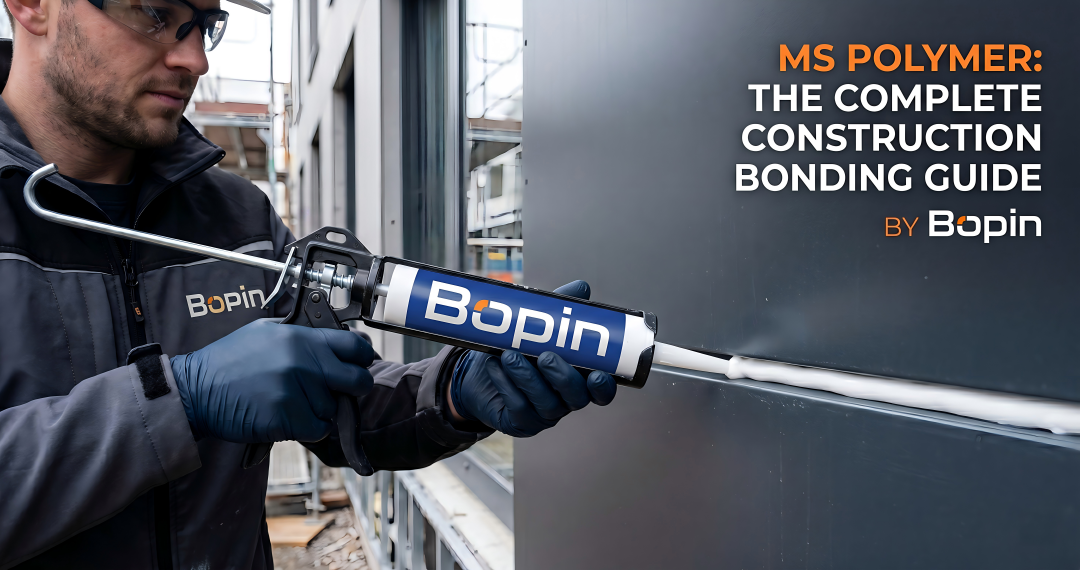
تتسبب حالات فشل مواد منع التسرب في تكبيد أصحاب المباني والمقاولين آلاف الدولارات في الإصلاحات وأضرار المياه وإعادة العمل - ومع ذلك فإن معظم حالات الفشل تنبع من أسباب يمكن التنبؤ بها مع استراتيجيات وقائية مباشرة. إن فهم أسباب فشل المواد المانعة للتسرب، والتعرف على أعراض الفشل مبكراً، وتنفيذ الإجراءات التصحيحية المناسبة، يمنع المشاكل الصغيرة من أن تصبح كوارث مكلفة.
يساعد دليل استكشاف الأخطاء وإصلاحها الشامل هذا في تشخيص مشاكل المواد المانعة للتسرب بشكل منهجي، وتحديد الأسباب الجذرية، وتنفيذ حلول فعالة سواء كان الأمر يتعلق بفقدان الالتصاق، أو مشاكل المعالجة، أو عيوب المظهر، أو تدهور الأداء. سواء كنت مقاولًا محترفًا تقوم بتشخيص أعطال مواقع العمل، أو مدير منشأة يعالج مشكلات صيانة المباني، أو صاحب منزل يتعامل مع تسربات في الوصلات، فإن هذا الدليل يوفر الإطار التشخيصي والحلول اللازمة لحل مشكلات مواد منع التسرب بشكل فعال.
دليل التشخيص السريع: تحديد مشكلة مادة منع التسرب
ابدأ بالفحص البصري والاختبارات البسيطة لتحديد نوع العطل. تختلف أعراض أنماط الفشل المختلفة باختلاف أنواعها، مما يستدعي حلولاً مختلفة.

تحديد نوع العطل بسرعة
فشل الالتصاق – انفصال المادة المانعة للتسرب عن أحد أو كلا الركيزتين:
- بحث: فصل نظيف عند سطح التماس بين المادة المانعة للتسرب والركيزة
- اختبار السحب: يتقشر مانع التسرب بسهولة من السطح
- المنطقة المكشوفةالسطح مرئي حيث انفصل مانع التسرب
- الأسباب الرئيسيةسوء تحضير السطح، مواد غير متوافقة، رطوبة
فشل التماسك – تمزق المادة المانعة للتسرب من الداخل:
- بحث: تشققات أو تمزقات في جسم المادة المانعة للتسرب
- مادة على كلا الجانبين: تبقى بقايا مادة مانعة للتسرب على كلا وجهي الوصلة
- تمزق مرئيمظهر ممزق أو مشقوق
- الأسباب الرئيسية: الحركة المفرطة، والتقدم في السن، وعدم ملاءمة حجم المفاصل
حل المشاكل – المادة المانعة للتسرب لا تتصلب بشكل صحيح:
- اختبار اللمسيبقى لزجًا أو لينًا بعد وقت التصلب المتوقع
- سلخ الجلديتصلب السطح لكن يبقى الداخل طريًا
- فقاعاتيؤدي تكوّن الغاز أثناء المعالجة إلى ظهور فراغات
- الأسباب الرئيسيةمشاكل في درجة الحرارة، مشاكل في الرطوبة، منتج منتهي الصلاحية
عيوب المظهر – تغير اللون، أو التلطخ، أو مشاكل السطح:
- تغيير اللوناصفرار أو اسمرار أو بهتان اللون
- تلطيخ: تسرب المادة إلى الأسطح المجاورة
- عيوب السطح: فقاعات، ثقوب صغيرة، أو ملمس خشن
- الأسباب الرئيسيةالتعرض للأشعة فوق البنفسجية، تلوث الركيزة، مشاكل التطبيق: التعرض للأشعة فوق البنفسجية، تلوث الركيزة، مشاكل التطبيق
تدهور الأداء – فقدان الممتلكات بمرور الوقت:
- التصلبيصبح قاسياً وهشاً
- تليينيفقد قوته ويصبح طريًا جدًا
- انكماش: يسحب بعيدًا عن حواف المفصل
- الأسباب الرئيسية: التعرض للعوامل الجوية، والتآكل الكيميائي، والشيخوخة الطبيعية
فشل الالتصاق: الأسباب والحلول
يمثل فشل الالتصاق - انفصال المادة المانعة للتسرب عن الركائز - 40-50% من جميع حالات فشل المواد المانعة للتسرب، وعادة ما ينتج عن أخطاء تركيب يمكن تجنبها. يشير الانفصال الواضح عند السطح البيني إلى فقدان الالتصاق بدلاً من الفشل التماسك.

تلوث الأسطح
تمنع الزيوت والأوساخ والغبار وبقايا مواد منع التسرب القديمة أو عوامل الفصل عملية الالتصاق السليم.
أعراض:
- يسهل إزالة المادة المانعة للتسرب من السطح.
- السطح النظيف مرئي بعد الإزالة
- يحدث عطل بعد فترة وجيزة من التثبيت (من أيام إلى أسابيع)
- قد يؤثر على أحد الركائز أكثر من غيرها
تشخبص:
- الفحص البصريابحث عن بقايا على السطح المتضرر
- اختبار المياهإذا تجمعت قطرات الماء على السطح، فمن المحتمل وجود تلوث.
- اختبار اللمسيشير الملمس الزيتي أو الزلق إلى التلوث
الحلول:
- إزالة المادة المانعة للتسرب التالفة بالكامل
- نظف جيداً باستخدام المذيبات المناسبة:
- كحول الأيزوبروبيل للتنظيف العام
- محلول التنظيف الاحترافي BoPin CL-900 للتلوث المستعصي
- تجنب ترك بقايا التنظيف
- التنظيف الميكانيكي إذا لزم الأمر – التنظيف بالفرشاة السلكية، والطحن، والسفع الرملي
- السماح بالتجفيف الكامل قبل وضع مادة مانعة للتسرب جديدة
- اختبار الالتصاق على مساحة صغيرة قبل التطبيق الكامل
وقاية:
- نظف جميع الأسطح مباشرة قبل وضع مادة منع التسرب.
- حماية الأسطح النظيفة من إعادة التلوث
- لا تقم بوضع مادة مانعة للتسرب على الأسطح المغبرة أو المتسخة
- استخدم طرق التنظيف المحددة لأنواع الأسطح المختلفة

برايمر مفقود أو غير كافٍ
تتطلب بعض تركيبات الركائز استخدام مواد أولية لضمان الالتصاق الموثوق.
أعراض:
- فشل الالتصاق على ركائز محددة (غالباً معادن أو بلاستيك)
- التصاق جيد من جانب واحد، وفشل من الجانب الآخر
- يعتمد على التوقيت - قد ينجح في البداية ثم يفشل
- شائع على المعادن المطلية بالمسحوق، وبعض أنواع البلاستيك، والأسطح المطلية
تشخبص:
- تحقق من مواصفات الشركة المصنعة – هل يتطلب هذا المزيج من الركيزة والمادة المانعة للتسرب استخدام مادة تمهيدية؟
- اختبار الالتصاق مقارنة بين العينات الصغيرة المحضرة مسبقًا وغير المحضرة مسبقًا
- فحص السطح الفاشل – يشير السطح النظيف تمامًا إلى فشل الالتصاق
الحلول:
- إزالة المادة المانعة للتسرب التالفة
- ركيزة نظيفة كاملاً
- ضعي طبقة أساس مناسبة:
- اتبع تعليمات الشركة المصنعة الخاصة بالطبقة التمهيدية للركيزة
- اترك وقت التجفيف المناسب (عادةً من 30 إلى 60 دقيقة).
- ضع المادة المانعة للتسرب خلال فترة صلاحية البرايمر (غالباً 24 ساعة).
- تحقق من التوافق – تأكد من توافق المادة التمهيدية، والمادة المانعة للتسرب، والركيزة
وقاية:
- يرجى الرجوع دائمًا إلى البيانات الفنية للشركة المصنعة لمعرفة متطلبات البرايمر.
- المواد الأساسية الشائعة التي تتطلب استخدام مواد تمهيدية: الألومنيوم المطلي بالمسحوق، وبعض أنواع البلاستيك (EPDM، PE، PP)، والمعادن المطلية بمادة Kynar
- اختبر فعالية البادئ قبل التطبيق على نطاق واسع
- استخدام دليل الوثائق وأرقام الدفعات لمراقبة الجودة
عدم توافق الركيزة
بعض تركيبات الركيزة والمادة المانعة للتسرب لا تلتصق بشكل موثوق.
أعراض:
- فشل الالتصاق على الرغم من التحضير السليم للسطح
- الفشل في مواد محددة (غالباً البلاستيك، وأنواع معينة من الأحجار، والخشب المعالج)
- إخفاقات مماثلة في مشاريع متعددة باستخدام نفس المواد
- لا توجد مشاكل واضحة تتعلق بالتلوث أو التحضير
تشخبص:
- تحديد المواد – تحقق من نوع الركيزة بدقة
- راجع جداول التوافق في البيانات الفنية للمنتج
- الأداء السابق – هل نجحت هذه التركيبة من قبل؟
- تطبيق اختباري على عينة قبل الاستخدام على مستوى الوظيفة
الحلول:
- قم بتغيير مادة منع التسرب للتوافق الكيميائي:
- سيليكونات لمعظم المواد
- بوليمرات MS لتوافق واسع
- منتجات متخصصة للمواد الصعبة
- استخدم البادئات المناسبة إذا كان ذلك موصى به
- تعديل السطح – التخريش أو الكشط أو الطلاء لتحسين الالتصاق
- ملحق ميكانيكي – استخدام الحشيات أو أدوات التثبيت الميكانيكية بدلاً من مواد اللصق المانعة للتسرب
وقاية:
- تحقق من توافق المادة المانعة للتسرب مع الركيزة قبل تحديد المواصفات.
- اختبر مواد العمل الفعلية، وليس المواد المكافئة المفترضة.
- قم بتوثيق التركيبات الناجحة للرجوع إليها مستقبلاً
- استشر الدعم الفني بخصوص تركيبات الركائز غير المعتادة
الرطوبة أو درجة الحرارة أثناء الاستخدام
يؤدي وضع مادة مانعة للتسرب على الأسطح الرطبة أو في درجات حرارة غير مناسبة إلى منع الالتصاق السليم.
أعراض:
- فشل واسع النطاق في الالتصاق في جميع أنحاء المشروع
- يحدث الفشل في غضون أيام إلى أسابيع من تقديم الطلب
- بقايا بيضاء أو فقاعات عند السطح البيني
- يرتبط التوقيت بالظروف الجوية
تشخبص:
- مراجعة أحوال الطقس تطبيق زراعي
- تحقق من رطوبة الركيزة – هل تم معالجة الخرسانة وتجفيفها بشكل كافٍ؟
- التحقق من درجة الحرارة – ضمن مواصفات المنتج؟
- فحص الواجهة المعطلة - مؤشرات الرطوبة (ترسبات بيضاء، فقاعات)
الحلول:
- إزالة المادة المانعة للتسرب التالفة
- جفف الركائز تمامًا قبل إعادة التطبيق
- تحقق من نسبة الرطوبة باستخدام أجهزة قياس الرطوبة (عادةً ما تكون نسبة الرطوبة في الخرسانة أقل من 4%)
- يُطبق في الظروف المناسبة:
- درجة الحرارة: عادةً من +5 درجة مئوية إلى +35 درجة مئوية
- الركائز الجافة: لا يوجد رطوبة سطحية
- محمي من الأمطار: 24-48 ساعة كحد أدنى
- استخدم المنتجات المناسبة بالنسبة للظروف - بعض مواد منع التسرب تتحمل الأسطح الرطبة
وقاية:
- تحقق من توقعات الطقس قبل البدء
- تحقق من حالة الركيزة قبل التطبيق
- اترك وقتًا كافيًا لمعالجة الخرسانة (عادةً 28 يومًا).
- يجب حماية العمل من الأمطار أثناء عملية المعالجة.
- استخدم أجهزة قياس الرطوبة للتحقق من جفاف الركيزة
الفشل التماسك: التمزق والانقسام الداخلي
يشير الفشل التماسك - تمزق المادة المانعة للتسرب داخليًا بدلاً من انفصالها عن الركائز - إلى أن الحركة تجاوزت قدرة المادة المانعة للتسرب أو تدهور المادة. إن بقايا مادة منع التسرب المتبقية على كلا وجهي الوصلة تميز بين الفشل التماسك والفشل الالتصاقي.
الحركة المفرطة للمفاصل
الحركة التي تتجاوز قدرة المادة المانعة للتسرب المقدرة تؤدي إلى تمزق المادة من الداخل.
أعراض:
- تشققات أو تمزقات في جسم المادة المانعة للتسرب
- الفشل عند أقصى تمدد للمفصل
- تمزق تدريجي يبدأ من النقطة الأكثر إجهادًا
- تبقى المادة ملتصقة بالركائز
تشخبص:
- قياس حركة المفصل الفعلية أثناء التدوير الحراري
- حساب الحركة المتوقعة من التمدد الحراري:
- ΔL = α × L × ΔT
- قارن بعرض الوصلة ومعدل حركة المادة المانعة للتسرب
- تحقق من مقاسات المفاصل – هل العرض كافٍ للحركة؟
- تحقق من تصنيف مادة منع التسرب – قدرة الحركة ±25%، أو ±50%، أو ±100%؟
الحلول:
- توسيع المفاصل الموجودة إذا كان ذلك ممكناً من الناحية الهيكلية
- قم بتركيب مانع تسرب ذي قدرة حركة أعلى:
- استبدل المنتج ±25% بالمنتج البديل ±50% أو ±100%
- تتميز السيليكونات الممتازة عادةً بقدرة ±50%
- تحقق المنتجات المتخصصة دقة ±100% للتطبيقات الشاقة
- أضف وصلات وسيطة تقليل حركة المفاصل الفردية
- مراجعة تصميم المبنى هل المسافات بين المفاصل مناسبة؟
للحصول على إرشادات مفصلة حول مقاسات المفاصل, انظر إلى دليل تصميم وصلات التمدد وإحكام إغلاقها.
وقاية:
- احسب الحركة المتوقعة قبل تصميم الوصلة
- قم بتضمين عوامل الأمان (25-50%) بالإضافة إلى الحركة المحسوبة
- اختر مواد مانعة للتسرب ذات قدرة حركة كافية
- اختر مقاسات المفاصل المناسبة – فالمفاصل الأوسع تقلل من نسبة الحركة
- ضع في اعتبارك الظروف المناخية المتطرفة – فالمناطق الصحراوية تشهد تحركات أكبر
هندسة وصلات غير صحيحة
تؤدي نسبة العرض إلى العمق غير الصحيحة إلى تركيز الإجهاد مما يتسبب في فشل مبكر.
أعراض:
- التمزق عند نقاط الضغط المتوقعة
- فشل في العمل على الرغم من عرض المفصل الكافي
- دليل على الالتصاق ثلاثي الجوانب (فقدان عامل كسر الرابطة)
- الانفصال التدريجي عن المناطق ذات الضغط العالي
تشخبص:
- قياس هندسة المفصل – العرض والعمق
- تحقق من وجود قضيب الدعم – هل تم استخدام نظام التحكم في العمق؟
- احسب النسبة – ينبغي أن تكون النسبة تقريبًا 2:1 (العرض:العمق)
- ابحث عن من ينهي العلاقة – هل يمكنك رؤية قضيب الدعم أو الشريط اللاصق؟
الحلول:
- إزالة المادة المانعة للتسرب التالفة وقضيب الدعم إن وجد
- قم بتركيب قضيب الدعم المناسب:
- المقاس 25-30% أكبر من عرض المفصل
- البولي إيثيلين ذو الخلايا المغلقة لمعظم التطبيقات
- قم بالتركيب على عمق يحقق نسبة 2:1
- تأكد من صحة الهندسة:
- الوصلات من 6 إلى 12 مم: نسبة 1:1 مقبولة
- الوصلات من 12 إلى 25 مم: نسبة من 1:1 إلى 2:1
- الوصلات التي يزيد قطرها عن 25 مم: نسبة 2:1، أقصى عمق 12-15 مم
- تأكد من عدم وجود التصاق ثلاثي الجوانب – يمنع قاطع الترابط الالتصاق السفلي
وقاية:
- استخدم دائمًا قضيب الدعم المناسب
- احسب الحجم والعمق الصحيحين لقضيب الدعم
- قم بتركيب قضيب الدعم قبل وضع المادة المانعة للتسرب.
- تأكد من الوضع الصحيح قبل الإغلاق
- توثيق هندسة المفاصل في سجلات مراقبة الجودة

تقادم المواد وتدهورها
جميع المواد المانعة للتسرب تتقادم في النهاية، فتفقد مرونتها وتفشل في نهاية المطاف بشكل متماسك.
أعراض:
- العطل بعد سنوات من الخدمة (عادةً من 10 إلى 25 سنة)
- فشل واسع النطاق في المفاصل ذات الأعمار المتشابهة
- تصلب المادة أو هشاشتها
- التشققات أثناء ركوب الدراجات الموسمي
تشخبص:
- تاريخ تثبيت المستند – هل وصل مانع التسرب إلى نهاية عمره الافتراضي؟
- تقييم التعرض – الظروف القاسية تسرع الشيخوخة
- الاختبارات البدنية – هل ازدادت صلابة المادة بشكل ملحوظ؟
- مدى الفشل – يشير الانتشار الواسع إلى قدم المنتج وليس إلى عيب في التركيب
الحلول:
- استبدال كامل المتطلبات الأساسية عادةً:
- قم بإزالة جميع مواد منع التسرب القديمة
- نظف المفاصل جيداً
- قم بتركيب مادة مانعة للتسرب جديدة باتباع الإجراءات الصحيحة.
- قم بالترقية إلى المنتجات المميزة إذا فشل الأصل قبل الأوان
- تنفيذ الاستبدال الاستباقي جدول زمني يمنع الفشل واسع النطاق
للتطبيقات الصناعية, ، يرى إحكام إغلاق فواصل الأرضيات الصناعية لجداول الصيانة.
وقاية:
- اختر منتجات عالية الجودة مناسبة لمستوى التعرض
- خطط لاستبدال المنتجات المتميزة بشكل استباقي كل 15-20 عامًا
- قم بزيادة وتيرة الفحص مع تقدم عمر مادة منع التسرب.
- خصص ميزانية للاستبدال المنهجي قبل حدوث فشل واسع النطاق
- تحديد مواعيد تركيب المستندات للتخطيط المستقبلي
مشاكل المعالجة: عندما لا يتصلب مانع التسرب
إن حالات فشل المعالجة - مثل بقاء المادة المانعة للتسرب لينة أو لزجة أو غير معالجة بالكامل - تُحبط القائمين على التركيب وتتطلب إعادة العمل. معظم مشاكل المعالجة تنجم عن الظروف البيئية أو المواد منتهية الصلاحية.
بطء أو عدم اكتمال عملية الشفاء
يبقى مانع التسرب طرياً لفترة طويلة بعد وقت التصلب المتوقع.
أعراض:
- سطح لزج بعد أيام من الاستخدام
- يبقى طرياً عند الضغط عليه
- أدوات في مادة لينة
- لا يصل إلى الصلابة المتوقعة
تشخبص:
- تحقق من توقعات وقت المعالجة – تجف المنتجات المختلفة بمعدلات مختلفة
- تحقق من الشروط:
- درجة الحرارة أثناء المعالجة - البرودة الشديدة تبطئ المعالجة بشكل كبير
- الرطوبة مهمة للمنتجات التي تجف بالرطوبة - فالهواء الجاف جداً يبطئ عملية التصلب
- عمق التطبيق – تجف الخرزات السميكة ببطء
- عمر المنتج - تحقق من تاريخ التصنيع وفترة الصلاحية
- تلوث - بعض الملوثات تعيق عملية الشفاء
الحلول:
- امنح وقتاً إضافياً للمعالجة في الظروف الباردة/الجافة:
- قد يتطلب الطقس البارد وقت معالجة أطول بمرتين إلى ثلاث مرات من الوقت المعتاد.
- الظروف الجافة للغاية تبطئ عملية معالجة المنتجات بالرطوبة
- تحسين الظروف:
- التسخين اللطيف (تجنب الحرارة المباشرة) يسرع عملية الشفاء
- يساعد رش الماء برفق على معالجة المنتجات بالرطوبة في المناخات الجافة
- في حالة انتهاء صلاحية المنتج أو تلوثه:
- قم بإزالة والتخلص من
- تنظيف الأسطح
- استخدم مواد جديدة
وقاية:
- تحقق من توقعات الطقس – تجنب فترات البرد الشديد أو الجفاف الشديد
- استخدم منتجات مناسبة لنطاق درجة الحرارة
- مواد مانعة للتسرب تحافظ بشكل صحيح على مدة الصلاحية
- تحقق من تواريخ انتهاء الصلاحية قبل الاستخدام
- خطط لوقت كافٍ للمعالجة قبل بدء حركة المرور أو التحميل.
تغليف سطحي مع بطانة داخلية ناعمة
يتصلب السطح لكن يبقى الداخل غير متصلب.
أعراض:
- بشرة صلبة عند لمسها
- لب داخلي لين أو سائل عند القطع
- لا يحقق الخرز الخصائص المصنفة
- قد لا يُشفى تمامًا
تشخبص:
- تحقق من سمك الخرزة - العمق المفرط يعيق الشفاء
- تحقق من هندسة المفاصل – يحد الالتصاق ثلاثي الجوانب من عملية التصلب
- نوع المنتج – تتصلب منتجات المعالجة بالرطوبة من الخارج إلى الداخل
- دورات درجة الحرارة قد تؤدي فترات البرد إلى معالجة متعددة الطبقات
الحلول:
- بالنسبة للطلبات الجديدة:
- قم بإزالة المواد المطبقة بشكل غير صحيح
- قم بتركيب قضيب داعم مناسب للتحكم في العمق
- أعد وضعه على العمق الصحيح (عادةً بحد أقصى 12-15 مم)
- للمعالجة الجزئية:
- قد يكتمل الشفاء في نهاية المطاف مع مرور الوقت وتوفر الظروف المناسبة
- راقب وامنح وقت معالجة ممتد
- استبدل المنتج إذا لم يطرأ أي تحسن بعد مرور 2-3 أضعاف وقت التصلب المتوقع.
وقاية:
- احرص دائمًا على التحكم في عمق المادة المانعة للتسرب باستخدام قضيب الدعم.
- التزم بتوصيات الحد الأقصى لعمق الخرزة (عادةً 12-15 مم).
- استخدم هندسة وصلات مناسبة (2:1 عرض:عمق)
- تجنب وضع المنتج على شكل خرزات سميكة جداً
ظهور فقاعات أو رغوة أثناء المعالجة
يؤدي تكوّن الغاز إلى ظهور فراغات وفقاعات في مادة منع التسرب.
أعراض:
- فقاعات مرئية على السطح
- فراغات أو نسيج رغوي داخلي
- قوام إسفنجي
- انخفاض في القوة والإحكام
تشخبص:
- افحص الركيزة – قد تنبعث الغازات من المواد المسامية
- محتوى الرطوبة – الرطوبة الزائدة قد تسبب ظهور الفقاعات
- تلوث – تتفاعل بعض المواد الكيميائية لتكوين غاز
- توافق المنتج – خلط المنتجات غير المتوافقة
الحلول:
- قم بإزالة المواد المتضررة – لن يؤدي استخدام مادة مانعة للتسرب ذات فقاعات إلى إحكام الإغلاق بشكل صحيح
- معالجة السبب:
- قم بإغلاق الأسطح المسامية قبل وضع مادة مانعة للتسرب.
- جفف الركائز الرطبة تمامًا
- نظف التلوث جيداً
- تحقق من توافق المنتج
- خدمة برايم إذا تم التوصية بها – تعمل المواد التمهيدية على سد الركائز المسامية
- أعد وضعه بشكل صحيح بمجرد القضاء على السبب
وقاية:
- قم بتجهيز أو تغليف الركائز المسامية للغاية
- تأكد من جفاف الركائز تمامًا
- تنظيف شامل لإزالة جميع الملوثات
- لا تخلط أنواعًا مختلفة من مواد منع التسرب
- اتبع إرشادات التطبيق الخاصة بالشركة المصنعة
عيوب المظهر: تغير اللون ومشاكل السطح
لا تؤثر مشاكل المظهر دائمًا على الأداء، ولكنها تخلق مخاوف جمالية وقد تشير إلى مشاكل كامنة. إن فهم الأسباب يساعد على منع ومعالجة العيوب التجميلية.
اصفرار وتغير اللون
يتغير لون المادة المانعة للتسرب، وعادة ما يصبح لونها أصفر أو داكناً.
أعراض:
- تغيير اللون عن اللون الأصلي
- اصفرار (شائع في السيليكونات)
- التغميق أو التحمير
- قد يكون سطحيًا فقط أو في جميع أنحاء المكان
تشخبص:
- تقييم التعرض للأشعة فوق البنفسجية - المناطق المعرضة للشمس تتغير ألوانها بشكل أسرع
- نوع المنتج – السيليكونات الأسيتوكسيية تصفر أكثر من السيليكونات المعالجة بالمعالجة المحايدة
- تلوث – تسبب بعض المواد الكيميائية تغير اللون
- عمر – بعض الاصفرار أمر طبيعي على مدى عقود
الحلول:
- إذا كان الأمر تجميليًا بحتًا ويعمل مانع التسرب بشكل صحيح:
- يُعتبر هذا الأمر طبيعياً مع مرور الزمن (إذا كان عمره عقوداً).
- قم بالطلاء إذا كنت تستخدم منتجًا قابلًا للطلاء.
- التعايش مع تغير اللون
- إذا كان ذلك سابقاً لأوانه (خلال 5 سنوات):
- قيّم اختيار المنتج – استخدم منتجات ممتازة مقاومة للأشعة فوق البنفسجية
- استبدلها ببدائل لا تسبب الاصفرار مثل سيليكون محايد مقاوم للعوامل الجوية من نوع BoPin 770
- Consider if aesthetics justify replacement cost
وقاية:
- Specify UV-resistant neutral-cure silicones for exposed locations
- Use products designed for high-UV environments
- Consider color-matching – darker colors show yellowing less
- Set realistic expectations – some yellowing over decades normal
Staining of Adjacent Surfaces
Sealant bleeds compounds into porous substrates creating permanent stains.
أعراض:
- Discoloration on stone, concrete, or porous surfaces
- Halos or spreading stains around joints
- Yellow, brown, or oily appearance
- Permanent – won’t clean off
تشخبص:
- Substrate type – porous stones (marble, limestone) most susceptible
- Sealant type – products with migrating plasticizers or oils stain
- Timing – stains appear during or shortly after cure
- Pattern – follows joint lines or sealant contact areas
الحلول:
- Prevention crucial – stains typically permanent
- If fresh (hours to days):
- Remove sealant immediately
- Clean substrate aggressively with poultice if possible
- Success limited – prevention better than cure
- If established:
- Professional stone restoration may lighten
- Stain typically permanent
- Consider accepting or replacing stone
- Replace with proper product:
- Use ASTM C1248 certified products for stone
- BoPin 635 Natural Stone Neutral Silicone prevents staining
For comprehensive stone sealing guidance, ، يرى Natural Stone Sealing Guide.
وقاية:
- Always use stone-compatible products on porous stone
- Verify ASTM C1248 certification for natural stone applications
- Test on inconspicuous area before full application
- Protect surfaces during application with low-tack masking tape
- Never use economy products on premium stone
Surface Bubbles and Pinholes
Small holes or bubbles mar sealant surface.
أعراض:
- Tiny holes (pinholes) in surface
- Bubbles visible at or below surface
- Rough texture
- May allow minor water penetration
تشخبص:
- Application technique – improper gunning traps air
- Substrate outgassing – porous materials release trapped air
- Moisture – water vapor forming during cure
- Tool contamination – dirty tooling creates texture
الحلول:
- Minor cosmetic defects:
- May be acceptable if sealing adequate
- Can be tooled over with fresh material
- Significant porosity:
- Remove and reapply
- Address underlying cause (see diagnosis)
- Use proper application technique
وقاية:
- Gun smoothly at consistent speed avoiding air entrapment
- Prime very porous substrates
- Use backer rod providing backing for proper tooling
- Tool while fresh achieving smooth surface
- Clean tooling equipment frequently
Performance Degradation Over Time
Sealants gradually lose properties through environmental exposure and aging. Recognizing degradation modes helps determine if replacement needed.
Hardening and Embrittlement
Sealant becomes stiff losing flexibility and movement capability.
أعراض:
- Hard to touch
- Cracks when flexed
- Lost rubbery feel
- May still adhere but can’t accommodate movement
تشخبص:
- Age assessment – how long since installation?
- Exposure evaluation – UV, extreme heat, chemicals accelerate hardening
- الاختبارات البدنية – Shore hardness testing if equipment available
- Performance testing – does joint still seal under movement?
الحلول:
- Nearing end of life – plan replacement
- Premature hardening (within 10 years):
- Evaluate product selection – was it appropriate?
- Consider exposure – extreme conditions shorten life
- Upgrade to more durable products at replacement
- Monitor and schedule replacement before complete failure
وقاية:
- Select products appropriate for exposure severity
- Premium products withstand harsh conditions longer
- Plan proactive replacement at 15-20 years for quality products
- قم بزيادة وتيرة الفحص مع تقدم عمر مادة منع التسرب.
Softening and Loss of Cohesion
Sealant becomes mushy or sticky losing strength.
أعراض:
- Soft, sticky feel
- Doesn’t maintain shape
- May ooze or flow in heat
- Lost structural integrity
تشخبص:
- Chemical exposure – oils, solvents, certain chemicals attack sealants
- Wrong product – not suited for actual conditions
- Manufacturing defect – rare but possible
- Extreme heat exposure – prolonged temperatures exceeding rating
الحلول:
- Remove degraded material – cannot be rehabilitated
- تنظيف الأسطح removing residue
- Select appropriate replacement:
- Chemical-resistant products for exposure conditions
- Higher temperature ratings for hot environments
- Products proven in similar conditions
- Address exposure if possible – reduce chemical contact, provide shading
وقاية:
- Match product chemical resistance to actual exposure
- Verify temperature ratings adequate for conditions
- Use premium products in severe environments
- Consider protective barriers reducing direct exposure
Shrinkage and Loss of Contact
Sealant pulls away from joint edges despite maintaining adhesion.
أعراض:
- Gaps at joint edges
- Sealant bead narrower than original
- Still adhered but reduced contact area
- May allow minor water penetration
تشخبص:
- نوع المنتج – some sealants shrink more than others
- Depth – thick applications shrink more noticeably
- Cure conditions – certain conditions increase shrinkage
- عمر – long-term solvent loss causes gradual shrinkage
الحلول:
- Minor shrinkage (<10%):
- May be acceptable if sealing adequate
- Can add sealant bead to edges
- Significant shrinkage (>10%):
- Remove and replace with low-shrinkage product
- Ensure proper joint geometry at replacement
- Verify backer rod prevents excessive depth
وقاية:
- Use low-shrinkage products (silicones typically minimal)
- Control joint depth with proper backer rod
- Avoid very thick applications
- Select quality products with better durability
Application Errors and Installation Problems
Many failures result from installation mistakes rather than product deficiencies. Understanding proper techniques prevents common errors.
Three-Sided Adhesion
Sealant bonding to joint bottom restricts movement causing premature failure.
أعراض:
- Cohesive failure at predictable stress points
- فشل في العمل على الرغم من عرض المفصل الكافي
- Missing or improper backer rod
- Sealant excessively deep
تشخبص:
- الفحص البصري after removal – can you see backer rod?
- Depth measurement – is sealant deeper than recommended?
- Failure pattern – stress concentration at bottom bond point
الحلول:
- إزالة المادة المانعة للتسرب التالفة completely including any backer rod
- قم بتركيب قضيب الدعم المناسب:
- Closed-cell polyethylene
- Sized 25-30% larger than joint width
- Installed at depth achieving 2:1 width:depth ratio
- ضع مادة مانعة للتسرب جديدة ensuring no bottom contact
- Verify proper profile through visual inspection
وقاية:
- Never skip backer rod installation
- Use bond breaker tape if backer rod impractical
- Verify backer rod size and depth before application
- Include backer rod verification in quality control
Sealant Applied in Wrong Conditions
Application outside suitable temperature or moisture ranges prevents proper performance.
أعراض:
- Widespread failures across project
- يرتبط التوقيت بالظروف الجوية
- Similar failures regardless of substrate
- Poor adhesion or incomplete cure
تشخبص:
- Review installation conditions:
- Temperature during application
- Precipitation events during cure
- Substrate conditions (wet, frozen)
- التحقق من مواصفات المنتج – were conditions within range?
الحلول:
- If caught during installation:
- Stop work until conditions suitable
- Protect completed work from adverse conditions
- If failure after completion:
- Remove failed material
- Wait for suitable conditions
- Reapply following specifications
وقاية:
- تحقق من توقعات الطقس قبل البدء
- Know product temperature and moisture requirements
- Have contingency plans for weather changes
- Protect work from precipitation during cure period (typically 24-48 hours)
- Document conditions during installation
Wrong Product for Application
Sealant chemistry or properties don’t match application requirements.
أعراض:
- Failure despite proper installation
- Product performs differently than expected
- Similar problems across multiple uses
- Performance issues correlate with specific conditions (heat, chemicals, movement)
تشخبص:
- Review product selection:
- Movement capability adequate?
- Temperature range appropriate?
- Chemical resistance sufficient?
- Substrate compatibility verified?
- Compare to successful alternatives in similar applications
الحلول:
- Replace with appropriate product:
- Higher movement capability for demanding joints
- Better chemical resistance for exposure conditions
- Substrate-compatible alternatives
- Products proven in similar applications
- Consult technical resources:
- Review our Complete Silicone Sealant Selection Guide
- Contact technical support for recommendations
وقاية:
- Specify products based on actual requirements not just availability
- Verify compatibility before purchase
- Test in similar conditions if application unusual
- Document successful product choices for future reference
- Invest in quality products for critical applications
Environmental and Exposure Issues
External factors accelerate degradation or cause specific failure modes. Understanding environmental effects guides product selection and maintenance planning.
UV Degradation
Sunlight exposure accelerates aging and causes surface deterioration.
أعراض:
- Surface cracking or chalking
- Color fading or yellowing
- Loss of flexibility at surface
- Premature aging in sun-exposed areas
تشخبص:
- Exposure assessment – direct sun, intensity, duration
- نوع المنتج – does product have UV stabilizers?
- Timing – premature failure suggests inadequate UV resistance
- Pattern – sunny faces fail faster than shaded
الحلول:
- Replace with UV-resistant products:
- Premium silicones with UV stabilizers
- سيليكون محايد مقاوم للعوامل الجوية من نوع BoPin 770 for extreme UV
- Verify UV resistance in technical data
- Provide protection if feasible – shading, covers, coatings
For desert climate applications, ، يرى Desert Climate Sealing Solutions.
وقاية:
- Specify UV-resistant products for exposed locations
- Premium products essential in intense UV environments (deserts, high altitude)
- Budget for shorter replacement cycles in extreme exposure
- Consider protective measures in design
Extreme Temperature Exposure
Very high or low temperatures stress sealants beyond capabilities.
أعراض:
- Failure in extreme heat or cold
- Softening in high heat
- Brittle cracking in cold
- Cycling failures from large temperature swings
تشخبص:
- Temperature measurement – actual service temperatures
- Product specifications – within rated temperature range?
- Failure timing – correlates with temperature extremes?
الحلول:
- Upgrade to appropriate temperature range:
- Standard products: -25°C to +80°C
- Premium silicones: -40°C to +150°C
- Specialty products for extreme conditions
- Reduce exposure if possible – shading, insulation, ventilation
وقاية:
- Specify products for actual temperature range not air temperature
- Surface temperatures exceed air temperature significantly (20-40°C)
- Include safety margins for unexpected extremes
- Premium products essential in extreme climates
Chemical Exposure and Contamination
Industrial chemicals, cleaners, or pollutants attack sealants.
أعراض:
- Softening or swelling
- Discoloration specific to contaminated areas
- Loss of adhesion or cohesion
- Correlation with chemical exposure events
تشخبص:
- Identify chemicals in contact with sealant
- Check compatibility – is sealant resistant to these chemicals?
- Exposure pattern – concentrated in areas receiving chemicals?
الحلول:
- Select chemically resistant products:
- Polyurethane for petroleum products
- Specialized sealants for acids/alkalis
- Polysulfide for solvent resistance (interior only)
- Reduce exposure – better drainage, barriers, different cleaning products
- Change maintenance practices – use compatible cleaners
للتطبيقات الصناعية, ، يرى إحكام إغلاق فواصل الأرضيات الصناعية.
وقاية:
- Identify all chemicals that may contact sealant
- Verify chemical resistance before specification
- Test in actual exposure conditions if possible
- Choose cleaning products compatible with sealants
Prevention Checklist: Avoiding Common Failures
Systematic quality control prevents most sealant failures. Use these checklists ensuring proper application.
Surface Preparation Verification
Before sealant application:
- ☐ Surfaces clean and free of contamination
- ☐ Old sealant completely removed (if re-sealing)
- ☐ Substrates dry (verify with moisture meter if critical)
- ☐ Temperature within product specifications
- ☐ Primer applied if required (and adequately dried)
- ☐ No rain forecast for cure period
Joint Design and Geometry
أثناء التثبيت:
- ☐ Joint width adequate for expected movement
- ☐ Backer rod proper size (25-30% larger than joint width)
- ☐ Backer rod installed at correct depth (achieving 2:1 ratio)
- ☐ No three-sided adhesion potential
- ☐ Joint clean and ready for sealant
Application Quality Control
During sealant application:
- ☐ Product within shelf life (check date)
- ☐ Weather conditions suitable
- ☐ Continuous beads without gaps
- ☐ Complete joint filling
- ☐ Proper tooling creating good profile
- ☐ Masking tape removed promptly
- ☐ Protection from precipitation during cure
Product Selection Verification
Before ordering:
- ☐ Movement capability adequate for application
- ☐ Temperature range appropriate
- ☐ Chemical resistance verified
- ☐ Substrate compatibility confirmed
- ☐ UV resistance adequate for exposure
- ☐ Product appropriate for location (interior/exterior, traffic, etc.)
الأسئلة المتداولة
Why does my sealant keep failing even after proper surface cleaning?
If sealant fails despite thorough cleaning, likely causes include: substrate incompatibility requiring primers or different sealant chemistry, excessive joint movement exceeding product capability, or environmental conditions (extreme temperature, UV, chemicals) degrading sealant prematurely. Verify you’re using products rated for actual substrate combination – some materials like powder-coated metal or certain plastics require specific primers or sealant types. Calculate expected joint movement ensuring width and sealant movement rating provide adequate capacity with safety margin. For repeatedly problematic applications, consider upgrading to premium products like BoPin 770 Weatherproof Silicone offering superior durability and ±50% movement capability.
How can I tell if adhesion failure is from poor surface prep or wrong product?
Adhesion failure from contamination typically shows residue on failed surface and occurs within days to weeks, while incompatibility failures may work initially then fail months later and show completely clean separation. Run simple tests: wipe suspected surface with white cloth – if cloth shows contamination, cleaning issue likely; if completely clean, suspect compatibility. Water bead test also helpful – if water beads on surface after cleaning, contamination remains. Check product technical data for primer requirements – many adhesion failures on metals and plastics result from skipping specified primers. When in doubt, test small area with proper preparation and primer, allowing full cure before evaluating.
Can I seal over old failed sealant or must I remove it completely?
You must remove old sealant completely – sealing over failed material simply delays inevitable re-failure while making future removal more difficult. Old sealant prevents proper adhesion, traps moisture, and often contains contamination preventing new sealant bonding. Even if old sealant appears intact, it may have lost adhesion making poor substrate for new material. Proper removal procedure: cut out old sealant with sharp knife, clean joint faces thoroughly removing all residue with mechanical methods if needed, prepare surfaces per manufacturer specifications, install proper backer rod, then apply new sealant. The extra time removing old material pays back through reliable long-term performance versus repeated failures from shortcuts.
What should I do if sealant won’t cure properly?
If sealant remains soft past expected cure time, first verify you’re giving adequate time for actual conditions – cold weather may require 2-3 times normal cure period, and very dry climates slow moisture-cure products. Check product hasn’t expired (shelf life typically 12-24 months) and was stored properly. If conditions were unsuitable during application (too cold, substrates wet), wait for improvement or remove and reapply in suitable conditions. If sealant shows no improvement after double the expected cure time in good conditions, likely defective or expired – remove, dispose, clean thoroughly, and apply fresh product. Very thick applications (>15mm depth) may never fully cure – this is why proper backer rod controlling depth proves essential.
How do I prevent sealant staining on natural stone?
Preventing stone staining requires using certified stone-compatible products – specifically those meeting ASTM C1248 standard which tests for staining on marble, limestone, granite, and travertine. Regular silicones contain oils and plasticizers that migrate into porous stone creating permanent yellow or brown stains impossible to remove. Use products specifically formulated and certified for stone يحب BoPin 635 Natural Stone Neutral Silicone. Even with proper products, protect stone during application with low-tack painter’s tape and clean any smears immediately before sealant cures. Test on inconspicuous area first – wait 7 days checking for staining before proceeding with visible joints. Once staining occurs, removal typically impossible – prevention through proper product selection remains only reliable approach.

خاتمة
Most sealant failures result from preventable causes – poor surface preparation, inadequate joint design, wrong product selection, or improper application technique rather than product deficiencies. Understanding failure modes, recognizing symptoms early, and implementing proper diagnostic processes transforms frustrating failures into learning opportunities improving future performance.
Adhesion failures – representing 40-50% of problems – typically stem from surface contamination, missing primers, or substrate incompatibility, all preventable through proper preparation and product selection. Cohesive failures indicate movement exceeded sealant capability or joint geometry creates stress concentration, both addressable through proper joint sizing and geometry. Curing problems usually result from environmental conditions during application – temperature, moisture, or contamination – emphasizing the importance of working within manufacturer specifications.
Appearance defects like yellowing, staining, or surface imperfections may not affect sealing performance but create aesthetic concerns and sometimes indicate underlying problems. Preventing stone staining requires certified products and careful application, while UV resistance proves essential for exposed locations especially in intense sun environments like desert climates.
Performance degradation over time remains inevitable for all sealants, but quality products in appropriate applications deliver 15-25 years service before requiring replacement. Recognizing signs of approaching end-of-life – hardening, surface deterioration, cracking – allows proactive planned replacement preventing emergency repairs and water damage.
Environmental factors – UV exposure, temperature extremes, chemical attack – accelerate aging and cause specific failure modes. Matching product capabilities to actual exposure conditions, not just standard conditions, ensures adequate performance in demanding applications. Premium products prove economical in severe exposures despite higher initial cost through extended service life and avoided failures.
Systematic quality control using comprehensive checklists prevents most failures. Verifying surface preparation, confirming proper joint geometry, ensuring suitable application conditions, and selecting appropriate products addresses the root causes of typical problems. Documentation of successful combinations – substrates, products, conditions – creates knowledge base improving future work.
When failures do occur, proper diagnosis identifying root causes rather than symptoms enables effective solutions preventing recurrence. Remove failed material completely, address underlying causes, prepare properly, and install appropriate products following manufacturer specifications. Shortcuts during repair simply delay next failure – invest time doing it right.
Whether you’re a professional contractor seeking to improve job quality, a facility manager addressing building maintenance issues, or a homeowner dealing with leaking joints, understanding sealant failure modes and prevention strategies ensures successful long-term performance from these critical building materials.
Experiencing persistent sealant problems and need expert diagnostic support? تواصل مع فريقنا التقني for professional troubleshooting assistance, product recommendations, and application guidance for your specific situation.