
Here’s the straight answer: Most silicone sealants take 10-30 minutes to form a skin and 24-48 hours to cure fully. But the exact timing depends on several simple factors that can speed things up or slow them down significantly.
Getting the timing right matters more than you might think. Rush the process, and your seal might fail. Wait too long to tool it and you’ll get a messy finish. Understanding how long silicone sealant takes to dry helps you plan better and get professional results every time.
The Two Stages of Silicone Drying
Silicone doesn’t just “dry” – it goes through two distinct stages that serve different purposes and happen at different speeds.
Skin Formation (10-30 Minutes)
The first stage is called “skin formation” or “tack-free time.” This is when the surface of your silicone forms a thin skin that you can touch without getting silicone on your finger. This usually happens within 10-30 minutes, depending on the product and conditions.
During this stage, the silicone underneath is still soft and workable. This is your window for tooling and smoothing the sealant bead. Once the skin forms, you can’t get a smooth finish anymore – the surface will tear and look messy.
Think of skin formation like the way pudding develops a skin when it cools. The surface hardens, but the inside stays soft. This protective skin prevents dust and dirt from sticking to your fresh sealant while it continues to cure underneath.
Full Curing (24-48 Hours or More)
Full curing is when the silicone becomes completely solid throughout. This process continues for hours or even days after the skin forms. How long it takes for silicone sealant to dry completely depends on the thickness and environmental conditions.
The general rule is 2-3mm of curing per 24 hours. So a 6mm thick bead needs about 48-72 hours to cure all the way through. Thicker applications take proportionally longer – this is why proper joint design matters.
During full curing, the silicone develops its final properties, including maximum strength, flexibility, and weather resistance. You can usually walk on or lightly use the sealed area after 24 hours, but full performance takes longer to develop.
What Affects Drying Time
Several simple factors can speed up or slow down how long silicone sealant takes to dry. Understanding these helps you plan your project timing.
Temperature Makes a Big Difference
Warm temperatures speed up curing, while cold temperatures slow it down. The sweet spot is around 20-25°C (68-77°F), where most products cure at their rated speed.
In hot weather (above 30°C/86°F), silicone often cures faster than normal. This can be good for quick projects, but might not give you enough time for proper tooling. You might only have 5-10 minutes to smooth the bead before it skins over.
Cold weather (below 10°C/50°F) can double or triple the curing time. Some products might take 2-3 hours to form a skin and a week or more to cure fully. Winter projects need extra patience and might require different products.
Humidity Speeds Things Up
Silicone cures by reacting with moisture in the air, so higher humidity makes it cure faster. Dry desert air or air-conditioned spaces slow down curing, while humid bathroom or tropical conditions speed it up.
Adding a little moisture can help in dry conditions. Some professionals lightly mist the air (not the sealant directly) to increase humidity during application. But don’t overdo it – too much water can cause poor adhesion.
Indoor heating in winter creates very dry air that can slow curing significantly. Consider using a humidifier if you’re doing large projects in heated buildings during winter.
Thickness and Joint Design
Thicker sealant beads take longer to cure all the way through because the moisture has to penetrate deeper. This is why proper joint design matters – you want the right depth for your application.
Wide, shallow joints cure faster than narrow, deep ones because there’s more surface area exposed to air. The ideal ratio is usually 2:1 width to depth for most applications.
Very thick applications (over 12mm) might need special techniques like applying in multiple layers or using products designed for thick sections.
Product Type Differences
Different silicone formulations cure at different speeds. Acetoxy-cure products (the ones that smell like vinegar) usually cure faster than neutral-cure types.
Fast-cure formulations are available for projects where time is critical. These might skin over in 3-5 minutes and fully cure in 12-24 hours. But they cost more and have shorter working times.
Structural and high-performance sealants often cure more slowly because they’re formulated for maximum strength rather than speed. These might take 48-72 hours or more to reach full properties.
Typical Timing for Common Applications
Different projects have different timing needs. Here’s what to expect for common sealing jobs:
Bathroom and Kitchen Projects
Bathroom sealants typically skin over in 15-25 minutes and are ready for light water exposure after 24 hours. But wait 48-72 hours before heavy use like deep cleaning or scrubbing.
Kitchen sealants around sinks follow a similar timing. Wait at least 24 hours before using the sink normally and 48 hours before heavy cleaning or food preparation near the sealed area.
Anti-mold bathroom products might cure slightly slower because of the special additives that prevent fungus growth.
Window and Door Sealing
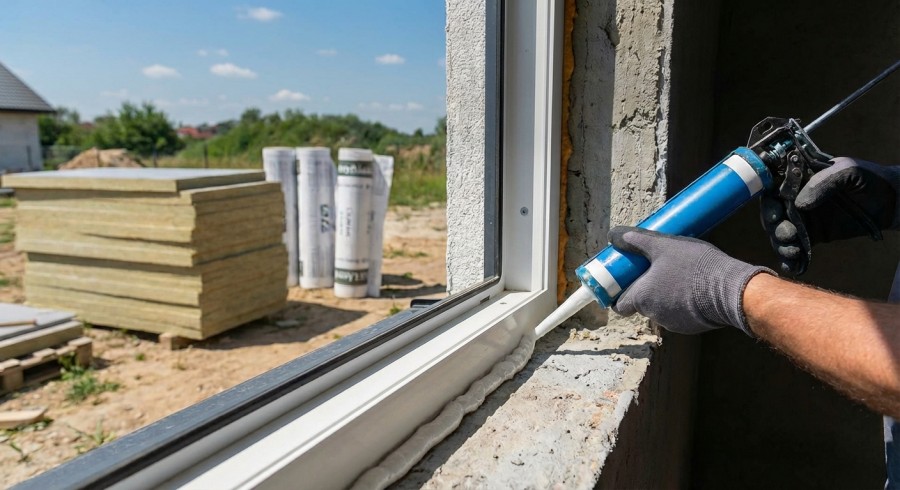
Exterior window sealing usually takes 20-30 minutes to skin and 24-48 hours to cure fully. Weather resistance develops gradually over the first week.
You can usually close and open windows gently after 4-6 hours, but avoid putting stress on the sealant for at least 24 hours. Full weather protection develops over 2-7 days, depending on conditions.
Door sealing follows similar timing but might need longer if the joint is thick or the area is sheltered from air circulation.
Industrial and High-Temperature Applications
High-temperature sealants often cure faster initially but may take longer to develop full heat resistance. Initial skin formation might happen in 5-15 minutes due to the faster-curing chemistry.
But these products might need 48-72 hours or more to develop their full temperature resistance. Don’t expose them to high heat too soon, or the properties might not develop properly.
Chemical-resistant products for industrial use often have extended cure times to develop maximum chemical resistance properties.
How to Test if It’s Ready
Don’t guess – test to make sure your sealant is ready for the next step in your project.
The Touch Test for Skin Formation
Gently touch the surface with a clean finger. If no sealant transfers to your finger, it has formed a skin. If silicone sticks to your finger, give it more time.
Don’t press hard or drag your finger – you might damage the forming skin. A light touch is all you need to check if the surface is tack-free.
Check multiple spots along the bead because some areas might cure faster than others, especially in varying temperature or humidity conditions.
Testing for Full Cure
For full cure, try pressing firmly on a hidden area. If it feels solid and bounces back quickly, it’s ready for use. If it feels soft or leaves an indentation, give it more time.
Another test is to try cutting a small piece with a knife. Fully cured silicone cuts cleanly without tearing or stretching excessively. Partially cured material will stretch and tear roughly.
For critical applications, wait an extra day beyond what seems fully cured to ensure complete property development.
Common Timing Mistakes
These common mistakes can cause project delays or failures – learn from others’ experience.
Rushing the Tooling
The biggest mistake is trying to tool the sealant after it starts to skin over. Once skin formation begins, you can’t get a smooth finish – the surface will tear and look awful.
Work efficiently but don’t panic. Most neutral-cure products give you 10-20 minutes of working time. Plan your application so you can tool each section promptly.
If you miss the timing window, it’s better to remove and start over than try to fix a torn, messy surface.
Using the Area Too Soon
Please don’t rush to use sealed areas before they’re ready. Water exposure too soon can prevent proper curing and lead to adhesion failure.
Light contact after 24 hours is usually okay, but avoid stress, cleaning, or heavy use until full cure is complete. When in doubt, wait longer – patience prevents problems.
Traffic areas like walkways need extra time before allowing foot traffic that might stress the new sealant.
Ignoring Environmental Conditions
Not accounting for weather and temperature leads to unexpected delays and poor results. Check the weather forecast and plan accordingly.
Very hot or cold weather changes the timeline significantly. Adjust your schedule and consider using different products for extreme conditions.
Indoor projects in dry, heated buildings might take much longer than expected. Plan extra time for winter indoor projects.
Tips for Better Timing
These professional tips help you get consistent, predictable results every time.
Plan for Conditions
Check the temperature and humidity before starting. Ideal conditions are 20-25°C with 40-60% humidity. Adjust your expectations for other conditions.
Morning applications often work better because temperatures are more stable and humidity is typically higher from overnight moisture.
Avoid windy conditions that can cause rapid skin formation and contamination from dust and debris.
Use the Right Product
Match the product to your timeline needs. Fast-cure products for quick projects, standard products for most jobs, and slow-cure products when you need extended working time.
High-quality neutral-cure silicones provide the best balance of working time and cure speed for most applications.
Specialized bathroom products are formulated for the unique conditions in wet areas and provide optimal timing for these applications.
Prepare Everything First
Have all tools ready before you start applying sealant. Silicone waits for no one – once you start, you need to work efficiently through to completion.
Cut cartridge tips properly and test your gun to ensure smooth, consistent flow. Practice on scrap material if you’re unsure about timing.
Clean and prepare all surfaces first so you’re not rushing during the critical tooling window.
Different Products, Different Timing
Not all silicone sealants cure at the same rate. Understanding the differences helps you choose the right product for your timeline.
Standard vs. Fast-Cure Products
Standard neutral-cure silicones typically skin in 15-25 minutes and fully cure in 24-48 hours. These work well for most applications and provide good working time.
Fast-cure products might skin in 3-10 minutes and fully cure in 12-24 hours. These are great when time is critical, but require more skill and speed during application.
The trade-off is working time vs. project completion speed. Choose based on your skill level and project requirements.
Acetoxy vs. Neutral-Cure Timing
Acetoxy-cure products (vinegar smell) usually cure faster – often 5-15 minutes to skin and 12-24 hours to full cure. But they’re more limited in where you can use them due to potential material compatibility issues.
Neutral-cure products take slightly longer but work with more materials and are safer for occupied spaces. Most professionals prefer neutral-cure for general construction work.
Specialty Product Timing
High-temperature sealants often have different timing characteristics because of their specialized chemistry. They might cure faster initially, but need longer to develop full temperature resistance.
Structural silicones used for curtain walls and glazing often have extended cure times to ensure full strength development. These might take 3-7 days to reach full structural properties.
When to Call for Help
Some situations require professional expertise to ensure proper timing and results.
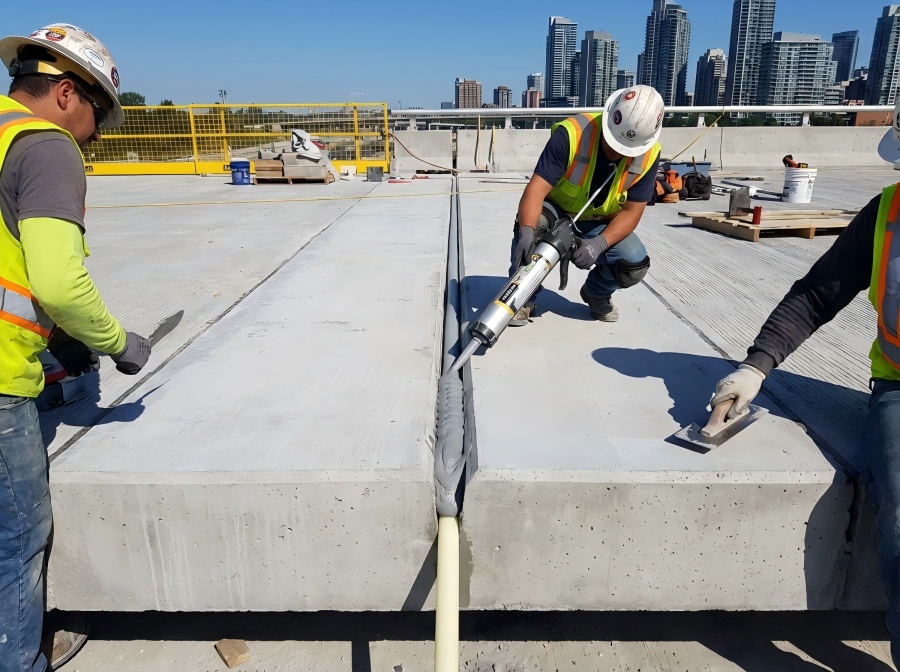
Large commercial projects often have strict timing requirements that need professional coordination. The consequences of delays can be expensive in commercial construction.
Critical applications like structural glazing or pressure sealing require precise timing knowledge and experience. Don’t risk safety by guessing on important projects.
When environmental conditions are extreme or unusual, professionals have experience adjusting techniques and product selection for challenging conditions.
If you’re unsure about timing for your specific situation, consulting with experienced suppliers can prevent costly mistakes and ensure project success.
Sıkça Sorulan Sorular
Can I speed up silicone curing time?
You can’t safely rush the curing process, but you can optimize conditions. Increase temperature and humidity within reasonable limits (don’t use heaters or fans directly on the sealant). Thin applications cure faster than thick ones, so proper joint design helps.
What happens if I disturb the sealant during curing?
Disturbing silicone during skin formation ruins the surface finish and might affect adhesion. During full cure, disturbance can prevent proper bonding and create weak spots. It’s better to wait than risk failure.
How long does silicone sealant take to dry in cold weather?
Cold weather can double or triple normal cure times. Below 10°C (50°F), expect significantly longer times – possibly 2-3 hours for skin formation and a week for full cure. Use cold-weather products for winter applications.
Can humidity affect how long it takes for silicone sealant to dry?
Yes, humidity significantly affects cure speed. Higher humidity speeds curing because silicone needs moisture to cure. Very dry conditions can slow curing dramatically. Optimal humidity is 40-60% for predictable results.
Is it safe to get silicone wet before it’s fully cured?
Light water exposure after 24 hours is usually okay, but avoid soaking or pressure washing until full cure is complete. Heavy water exposure too soon can prevent proper curing and cause adhesion problems.
Çözüm
Understanding how long silicone sealant takes to dry helps you plan better projects and get professional results. Most products skin over in 10-30 minutes and fully cure in 24-48 hours, but environmental conditions and product type can change this significantly.
The key to success is matching your product choice and timing expectations to your specific conditions and requirements. Temperature, humidity, thickness, and product type all play important roles in determining actual cure times.
Don’t rush the process – patience during curing prevents problems later. Plan your projects with realistic timing expectations and always test to confirm readiness before proceeding to the next step.
When working with quality products and following proper timing guidelines, silicone sealants provide decades of reliable performance. Take the time to do it right the first time for the best long-term results.
Planning a sealing project and need reliable timing information? BoPin Construction Chemicals provides detailed technical support to help you achieve professional results with optimal timing.



 English
  العربية
  Español de México
  Português
  Français
  Русский
  Türkçe
  Tiếng Việt