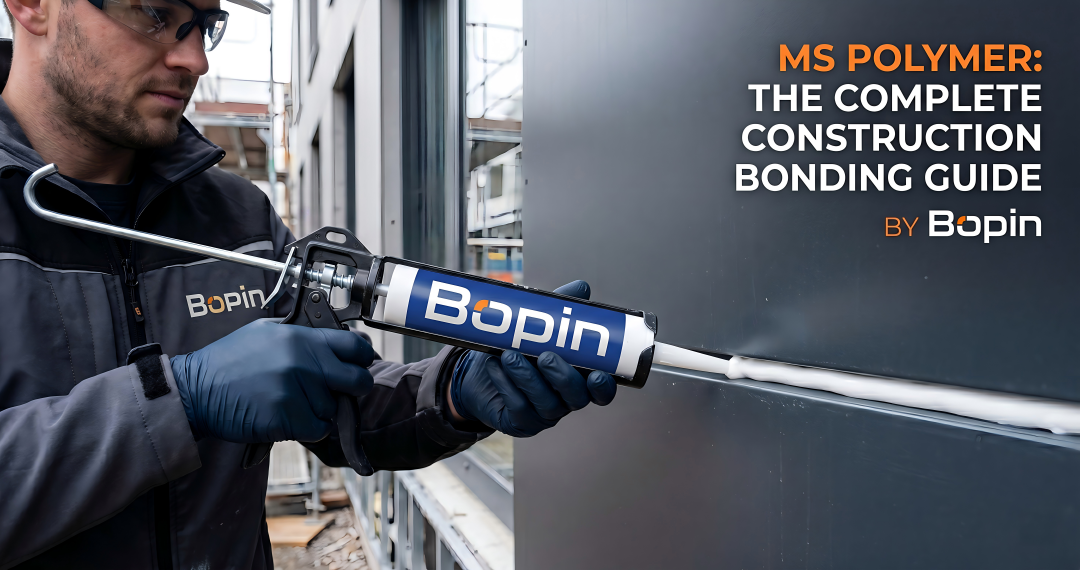
Removing old silicone sealant properly is just as important as applying new sealant correctly. Poor removal techniques leave residue that prevents new sealant from sticking properly, leading to early failure and water damage. Whether you’re renovating a bathroom, replacing window seals, or doing maintenance work, knowing how to remove silicone sealant the right way saves time, money, and frustration.
The key to successful silicone removal lies in understanding what you’re dealing with and using the right approach for your specific situation. Different types of silicone sealant require different removal methods, and the substrate material affects which techniques will work best without causing damage.
Understanding Different Types of Silicone Sealant
Not all silicone sealants are created equal, and understanding what type you’re removing makes the job much easier. Each formulation has different adhesion properties and responds differently to various removal methods.
Neutral-Cure Silicones
Neutral-cure silicones are the most common type found in homes and buildings. These sealants cure by releasing alcohol vapors and are generally easier to remove than other types. They maintain some flexibility even when fully cured, which can work in your favor during mechanical removal.
Most bathroom and kitchen sealants are neutral-cure types because they’re safe for use around people and don’t corrode metals. High-quality neutral-cure products often have better adhesion, making them more challenging to remove but also indicating superior performance.
Acetoxy-Cure Silicones
Acetoxy-cure silicones (the ones that smell like vinegar) often cure harder and can be more difficult to remove. The acetic acid released during curing creates stronger initial bonds to many surfaces, particularly glass and metal.
These sealants are commonly found in older installations and high-temperature applications. Heat-resistant acetoxy types can be especially challenging because they’re designed to withstand extreme conditions.
Structural and Specialty Silicones
Structural silicones and specialty formulations present the biggest removal challenges. These products are engineered for maximum adhesion and durability, making removal significantly more difficult and sometimes requiring professional techniques.
Never attempt to remove structural glazing sealants without consulting professionals, as improper removal can compromise building safety and void warranties.
Essential Tools and Materials
Having the right tools makes removing silicone sealant much easier and prevents damage to surrounding surfaces. Профессиональные результаты требуют профессиональной подготовки.
Basic Hand Tools
Sharp utility knife or razor blade – Essential for cutting through the bulk of the sealant. Replace blades frequently as silicone dulls them quickly.
Plastic scrapers and putty knives – Multiple sizes help tackle different areas without scratching surfaces. Metal tools can damage delicate finishes.
Needle-nose pliers – Perfect for gripping and pulling sealant strips once you’ve loosened them.
Old toothbrush or wire brush – Useful for working on textured surfaces and removing stubborn bits.
Chemical Removal Products
Commercial silicone removers are specifically formulated for this job and often work better than household products. Look for products that are safe for your specific substrate material.
Isopropyl alcohol (70% or higher) – Effective for final cleaning and helps dissolve some sealant residues.
Mineral spirits or white spirit – Can help soften older sealants and remove residue, but test on an inconspicuous area first.
Specialized solvents – Some professional-grade products contain specific chemicals designed to break down silicone bonds.
Heat Sources
Hair dryer or heat gun – Controlled heat softens silicone and makes mechanical removal easier. Use low settings to avoid damage.
Steamer – Particularly effective for bathroom applications where moisture and heat combine to soften the sealant.
Safety Equipment
Protective gloves – Essential when using chemicals or sharp tools. Nitrile gloves provide the best chemical resistance.
Safety glasses – Protect your eyes from flying debris and chemical splashes.
Ventilation – Ensure adequate airflow when using chemical removers or heat sources.
Step-by-Step Removal Methods
The most effective approach to removing silicone sealant combines multiple techniques in the right sequence. Starting with the gentlest method and progressing to more aggressive techniques prevents unnecessary damage.
Method 1: The Standard Mechanical Approach
Step 1: Score the sealant edges. Use a sharp utility knife to cut along both edges of the sealant bead where it meets the substrate. Cut as deep as possible without damaging the underlying material. This breaks the adhesive bond and gives you a starting point.
Step 2: Peel away the main bodyStarting at one end, carefully peel the sealant away from the substrate. Work slowly and maintain steady pressure. Well-cured sealant often comes away in long strips if you maintain the right angle and speed.
Step 3: Remove remaining adhesive with a plastic scraper to remove stubborn bits and adhesive residue. Work parallel to the surface rather than digging into it. Be patient – rushing this step often causes surface damage.
Step 4: Clean the surfaceFinal cleaning with isopropyl alcohol removes any remaining residue and prepares the surface for new sealant application.
Method 2: Heat-Assisted Removal
Step 1: Apply controlled heatUse a hair dryer on low-medium heat to warm the sealant for 2-3 minutes. Keep the heat source moving to avoid overheating any area. The goal is to soften the sealant, not melt it.
Step 2: Work while immediately beginning mechanical removal while the sealant is still warm. Heated sealant is much more pliable and releases more easily from most surfaces.
Step 3: Reheat as neededApply heat again if the sealant cools and becomes difficult to work with. Working in small sections maintains the right temperature and makes the job more manageable.
Method 3: Chemical-Assisted Removal
Step 1: Apply commercial removerFollow the manufacturer’s instructions carefully for application and contact time. Most products need 30 minutes to several hours to properly soften the sealant.
Step 2: Test and reapplyCheck progress periodically and reapply if needed. Some stubborn sealants require multiple applications for complete softening.
Step 3: Mechanical removalUse plastic tools to remove the softened sealant. Chemical softening makes mechanical removal much easier and reduces the risk of surface damage.
Step 4: Neutralize and cleanRemove all chemical residue according to product instructions. Failure to properly clean chemical removers can interfere with new sealant adhesion.
Chemical Removal Techniques
Chemical removal can be highly effective when used correctly, but it requires careful attention to safety and surface compatibility.
Commercial Silicone Removers
Purpose-built silicone removers offer the best balance of effectiveness and safety. These products are formulated specifically for breaking down silicone bonds while minimizing damage to common substrates.
Apply these products generously and allow adequate contact time. Rushing the chemical action leads to poor results and wasted product. Most commercial removers work best when covered with plastic wrap to prevent evaporation during the softening period.
Always test on an inconspicuous area first to ensure the product won’t damage or discolor your specific substrate material.
Household Chemical Options
White vinegar can help with fresh, uncured sealant, but has limited effectiveness on fully cured products. It’s safe for most surfaces but requires longer contact times than commercial products.
Rubbing alcohol (isopropyl alcohol) works well for final cleaning and can help dissolve some sealant residues. Use 70% concentration or higher for best results.
Avoid harsh solvents like acetone or MEK unless specifically recommended for your situation. These can damage many surface finishes and create safety hazards in enclosed spaces.
Safety Considerations for Chemical Methods
Обеспечьте достаточную вентиляцию when using any chemical removal products. Chemical fumes can be harmful in enclosed spaces and may cause respiratory irritation.
Wear appropriate protective equipment, including chemical-resistant gloves and eye protection. Skin contact with solvents can cause irritation or chemical burns.
Never mix different chemical products, as this can create dangerous reactions. Use one product at a time and clean thoroughly before trying different approaches.
Mechanical Removal Methods
Mechanical removal forms the backbone of most silicone removal projects. Pure mechanical approaches work well for newer sealants and situations where chemicals aren’t suitable.
Sharp Blade Techniques
A sharp utility knife is your primary tool for initial sealant removal. Keep blades sharp by changing them frequently – dull blades require more pressure and increase the risk of accidents.
Cut at a shallow angle to avoid gouging the substrate. The goal is to separate the sealant from the surface, not to cut into the surface itself.
Work systematically from one end to the other rather than jumping around. This maintains a consistent technique and helps you track your progress.
Scraping Methods
Plastic scrapers prevent damage to delicate surfaces while still providing good leverage for sealant removal. Use different widths for different applications – narrow scrapers for tight corners, wide ones for large flat areas.
Maintain consistent pressure and angle to avoid creating gouges or scratches. Let the tool do the work rather than forcing it.
For textured surfaces, use flexible scrapers that can conform to the surface contours without damaging the texture.
Specialized Removal Tools
Oscillating multi-tools with scraper attachments can speed up large removal projects. These tools provide controlled vibration that helps separate stubborn sealant from surfaces.
Sealant removal tools designed specifically for this purpose often have angled blades and ergonomic handles that make the work easier and more effective.
Wire brushes can help with final cleanup on rough surfaces where scraping isn’t fully effective.
Heat-Based Removal Approaches
Controlled heat application can dramatically reduce the effort required for removing silicone sealant. The key is using just enough heat to soften without causing damage.
Hair Dryer Method
A standard hair dryer provides safe, controlled heat for most removal projects. Use medium heat settings and keep the dryer moving to prevent overheating any area.
Work in small sections to maintain optimal temperature. Sealant cools quickly once you remove the heat source, so plan your mechanical removal accordingly.
This method works particularly well on bathroom sealants, where the combination of heat and humidity helps soften the material.
Heat Gun Applications
Heat guns provide more intense heat but require careful control to prevent damage. Use the lowest effective setting and maintain safe distances from the surface.
Never use heat guns on or near flammable materials or in areas where heat might damage electrical components or plumbing.
Professional-grade heat guns often have temperature controls that allow precise heat management for different materials.
Steam Methods
Steam combines heat and moisture for effective sealant softening. This approach works particularly well in bathroom applications where the environment naturally supports this method.
Wallpaper steamers can be repurposed for sealant removal with excellent results on appropriate surfaces.
Be cautious with steam around electrical fixtures and ensure adequate ventilation to prevent moisture damage.
Dealing with Stubborn Residue
Even after successful bulk removal, adhesive residue often remains on the substrate. Complete residue removal is essential for proper new sealant adhesion.
Identifying Different Types of Residue
Silicone residue appears as a thin, slippery film that repels water and feels slightly tacky to the touch. This material must be completely removed before applying new sealant.
Adhesive residue from the substrate bond may appear different from the sealant itself. Different removal techniques may be needed for different types of residue.
Contamination from old primers or surface treatments can complicate removal and may require specific solvents for complete cleaning.
Progressive Removal Techniques
Start with the gentlest effective method and progress to more aggressive techniques only as needed. Mechanical scrubbing with fine abrasives can remove residue without damaging most surfaces.
Solvent cleaning with appropriate chemicals helps dissolve stubborn adhesive films. Allow adequate contact time for the solvent to penetrate and soften the residue.
Combination approaches using both mechanical and chemical methods often provide the best results for complete residue removal.
Final Surface Preparation
Complete cleaning with isopropyl alcohol removes any remaining traces of solvents and residues. This step is critical for ensuring proper new sealant adhesion.
Surface inspection under good lighting helps identify any remaining contamination that might cause adhesion problems.
Дайте поверхностям полностью высохнуть. before applying new sealant. Moisture trapped under the new sealant can cause adhesion failure.
Surface-Specific Removal Tips
Different substrate materials require modified approaches to prevent damage during sealant removal.
Glass and Ceramic Surfaces
Glass is relatively forgiving during sealant removal because it’s hard and non-porous. Sharp blades can be used more aggressively without risk of gouging.
Ceramic tiles require more care around grout lines, where aggressive scraping might damage the grout. Use narrow tools and work carefully around these areas.
Tempered glass requires special care as it can shatter if scratched or stressed improperly.
Metal Surfaces
Aluminum and steel can usually handle aggressive removal techniques, but may show scratches from metal tools. Plastic scrapers prevent surface damage while still providing good removal capability.
Painted metal surfaces require gentle techniques to avoid damaging the paint finish. Test removal methods in inconspicuous areas before proceeding with visible surfaces.
Stainless steel is generally durable, but it can show scratches if not handled properly during removal.
Natural Stone and Delicate Materials
Natural stone materials like marble and granite require the gentlest removal techniques. Acidic solvents can etch and permanently damage these surfaces.
Always test any removal method on an inconspicuous area first when working with natural stone or other delicate materials.
Soft stones may require professional removal to prevent damage during the process.
Plastic and Vinyl Surfaces
Plastic surfaces can be damaged by aggressive scraping or strong solvents. Use plastic tools and test all chemicals before applying them to visible areas.
Heat methods work well on most plastics but require careful temperature control to prevent melting or warping.
Flexible vinyl may require special techniques to avoid tearing or permanent deformation during removal.
Распространенные ошибки, которых следует избегать
Understanding common removal mistakes helps you avoid damage and achieve better results.
Technique Errors
Using too much force during mechanical removal often causes surface damage that’s more expensive to repair than the original sealant replacement.
Skipping the scoring step makes removal much more difficult and increases the risk of surface damage.
Working with dull blades requires more pressure and increases the likelihood of accidents and poor results.
Chemical Application Mistakes
Not allowing adequate contact time for chemical removers leads to poor results and wasted product. Follow the manufacturer’s instructions for contact times.
Using incompatible chemicals can damage substrates or create dangerous reactions. Always check compatibility перед применением.
Inadequate cleanup of chemical residues can interfere with new sealant adhesion and cause early failure.
Safety Oversights
Poor ventilation during chemical removal can create health hazards and safety risks. Ensure adequate airflow in work areas.
Inadequate protective equipment exposes you to chemical burns, cuts, and respiratory irritation. Use appropriate PPE for your specific removal method.
Working in unsafe positions increases the risk of accidents and injuries. Maintain good footing and comfortable working positions.
When to Call Professionals
Some silicone removal situations require professional expertise and equipment.
Structural Applications
Never attempt to remove structural glazing sealants without professional consultation. These applications may be load-bearing, and improper removal can create safety hazards.
High-rise building applications require specialized equipment and safety procedures that only qualified professionals should attempt.
Extensive Projects
Large-scale removal projects may benefit from professional equipment and techniques that make the work more efficient and cost-effective.
Commercial building applications often have specific requirements and warranties that require professional handling.
Contaminated or Hazardous Situations
Asbestos-containing sealants in older buildings require specialized removal procedures and certified contractors.
Lead paint contamination around old sealants may require special handling and disposal procedures.
Chemical contamination from industrial applications may require specialized knowledge and equipment for safe removal.
Preparing for New Sealant Application
Proper surface preparation after sealant removal ensures optimal performance from new sealant applications.
Surface Inspection and Cleaning
Thorough inspection under good lighting reveals any remaining contamination or surface damage that needs attention.
Complete cleaning with appropriate solvents removes all traces of old sealant, residue, and cleaning chemicals.
Surface repair may be needed where removal has damaged the substrate or revealed underlying problems.
Primer Application
Primer requirements vary by substrate and new sealant type. Consult technical specifications for your specific application.
Дайте достаточно времени для сушки. between primer application and sealant installation to ensure optimal adhesion.
Environmental Considerations
Weather conditions affect both removal and new sealant application. Plan projects for appropriate temperature and humidity conditions.
Protect work areas from contamination during the transition between removal and new application.
Часто задаваемые вопросы
What’s the easiest way to remove silicone sealant from bathroom tiles?
The combination of heat and mechanical removal works best for bathroom applications. Use a hair dryer to warm the sealant, then carefully cut and peel it away. The moisture and heat in bathrooms actually help soften the sealant for easier removal. Follow up with isopropyl alcohol to remove any residue.
Can I use a power tool to speed up silicone removal?
Oscillating multi-tools with scraper attachments can speed up removal but require careful technique to avoid damage. Never use aggressive power tools like grinders or sanders as they’ll damage the substrate. Hand tools with proper technique are often faster than trying to clean up damage from inappropriate power tools.
How do I remove silicone sealant that’s been painted over?
Painted-over sealant requires careful layered removal. Start by removing the paint layer with appropriate paint strippers, then proceed with normal sealant removal techniques. This process is time-consuming but necessary for complete removal and proper surface preparation.
What should I do if chemical removers don’t work?
If chemical removers fail, switch to mechanical methods with heat assistance. Some specialty sealants resist common chemicals and require patient mechanical removal. Professional removal may be needed for extremely stubborn applications or valuable surfaces where damage must be avoided.
How can I tell if all the old sealant is completely removed?
Run your finger along the surface – any slippery or tacky feeling indicates remaining sealant residue. Water should not bead up on properly cleaned surfaces (except on naturally water-repellent materials). Under good lighting, any remaining residue usually appears as a slight film or discoloration.
Is it necessary to remove all old sealant before applying new?
Yes, complete removal is essential for reliable new sealant performance. Silicone doesn’t bond well to old silicone, and incomplete removal almost guarantees early failure of the new installation. Taking time for complete removal saves money and effort in the long run.
Заключение
Successfully removing silicone sealant requires patience, proper technique, and the right tools for your specific situation. The combination of mechanical, chemical, and heat-based methods provides the most effective approach for dealing with different sealant types and substrates.
Complete surface preparation after removal is just as important as the removal process itself. Taking time to clean and prepare surfaces properly ensures optimal performance from new sealant applications and prevents costly failures.
When removing silicone sealant, remember that thoroughness trumps speed. Rushing the removal process often leads to surface damage, incomplete cleaning, and poor results from new sealant installations. Professional results require professional attention to detail at every step of the process.
For complex projects or valuable surfaces, professional removal services provide expertise and specialized equipment that ensure safe, complete removal without damage. The cost of professional removal is often less than repairing damage from improper DIY attempts.
Understanding the specific requirements of your removal project helps you choose the right approach and achieve reliable, long-lasting results from your sealant replacement efforts.
Need guidance on selecting the right replacement sealant after removal? BoPin Construction Chemicals offers comprehensive technical support for choosing products that match your specific application requirements and environmental conditions.