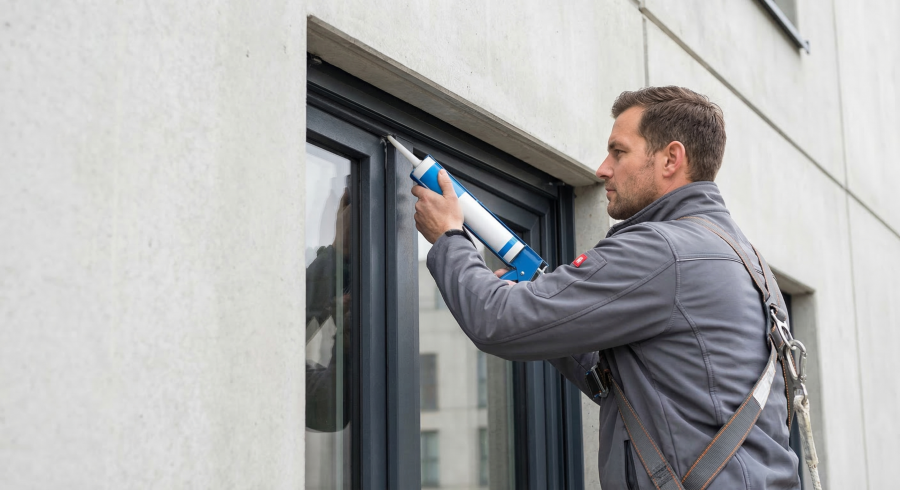
Да, силиконовый герметик можно использовать для гидроизоляции, но это не универсальное решение. Представьте себе силикон как очень хороший дождевик – он отлично защищает от воды в определенных ситуациях, но вы же не станете носить его во время плавания. Понимание того, когда и как использовать силикон для гидроизоляции, поможет вам добиться отличных результатов и избежать дорогостоящих ошибок.
Главное — знать, какой именно вид гидроизоляции вам нужен. Для герметизации оконной рамы требуются иные решения, чем для гидроизоляции стен подвала. Силикон отлично подходит для одних задач по гидроизоляции, но совершенно не подходит для других.
Почему силикон так эффективен в качестве гидроизоляционного материала?
При правильном применении силиконовый герметик создает превосходный водонепроницаемый барьер. В отличие от многих других материалов, силикон не впитывает воду, не трескается от циклов замораживания-оттаивания и не разрушается от постоянного воздействия влаги. Это как гибкая резиновая прокладка, которая идеально прилегает к любой поверхности.
Гибкость силикона – его секретное оружие в обеспечении гидроизоляции. Здания постоянно подвергаются воздействию изменений температуры, осадки и ветра. Жесткие гидроизоляционные материалы трескаются при движении здания, а силикон растягивается и возвращается в исходное состояние. без нарушения водонепроницаемого уплотнения. Такая гибкость предотвращает проникновение воды на протяжении десятилетий в тех областях применения, где жесткие материалы быстро выйдут из строя.
Силикон хорошо сцепляется с большинством распространенных строительных материалов., включая стекло, металл, керамику и многие виды пластмасс. Это означает, что вы можете создавать водонепроницаемые уплотнения между различными материалами. которые расширяются и сжимаются с разной скоростью. Представьте себе герметик вокруг металлической оконной рамы в бетонной стене — разная скорость расширения привела бы к растрескиванию жестких герметиков, но силикон легко справляется с этим.
Высококачественные силиконовые герметики, такие как продукты нейтрального отверждения от BoPin. устойчив к ультрафиолетовому излучению, экстремальным температурам и воздействию химических веществ. Это со временем разрушит другие гидроизоляционные материалы. Благодаря такой долговечности ваша гидроизоляция останется эффективной в течение 15-25 и более лет. при правильном применении.
Где силиконовая гидроизоляция наиболее эффективна?
Силикон отлично подходит для гидроизоляции стыков, швов и соединений между различными материалами. Именно в эти места вода любит проникать и создавать проблемы. Понимание этих идеальных областей применения поможет вам использовать силикон там, где он проявляет себя наилучшим образом.
Гидроизоляция окон и дверей
Окна и двери — самые подверженные протечкам воды места. потому что они предполагают соединение различных материалов в подвижных соединениях. Силикон, предназначенный для применения в оконных системах. создает гибкие уплотнения которые справляются с постоянным движением, не допуская попадания воды внутрь.
Герметизация по периметру оконных и дверных рам имеет решающее значение. для предотвращения повреждений стен от воды. Вода, попадающая в полости стен, может вызвать появление плесени, гниение и повреждение конструкции. Ремонт, который обойдется в тысячи долларов. Качественная силиконовая герметизация предотвращает эти дорогостоящие проблемы.
Гидроизоляция подоконников также выигрывает от свойств силикона. Дождь с большой силой хлещет водой по окнам., А жёсткие герметики часто трескаются под таким давлением. Гибкость силикона поглощает удар. при этом обеспечивая полную защиту от воды.
Гидроизоляция ванных комнат и кухонь
Ванные комнаты и кухни постоянно подвергаются воздействию воды. Это позволяет проверить любую систему гидроизоляции. Противоплесневые силиконовые составы справиться с этой задачей благодаря сопротивлению как проникновению воды, так и росту грибков.
Герметичность вокруг ванн, душевых кабин и раковин — это ваша первая линия защиты. для защиты от повреждений, вызванных водой, в этих влажных местах. Вода за этими сантехническими приборами может привести к гниению пола, повреждению стен и дорогостоящему ремонту. Надлежащая силиконовая герметизация предотвращает попадание воды в эти уязвимые места.
Гидроизоляция кухонных поверхностей вокруг раковин и столешниц защищает шкафы и напольное покрытие. от повреждений, вызванных водой. Даже небольшие протечки со временем могут привести к серьезным повреждениям. если вода постоянно попадает туда, куда не должна.
Гидроизоляция наружных стен здания
Внешние стены зданий подвергаются воздействию всех погодных условий., включая дождь, снег и экстремальные температуры, гонимые ветром. Устойчивые к атмосферным воздействиям силиконовые герметики специально разработаны чтобы справиться с этими сложными условиями.
Герметизация краев кровли, соединения водостоков и детали гидроизоляции. Все они выигрывают от устойчивости силикона к атмосферным воздействиям и его гибкости. В этих районах наблюдается постоянное течение и движение воды. Это быстро выведет из строя менее гибкие материалы.
Швы наружных стен, особенно между различными материалами, такими как кирпич и металл, создают проблемы с гидроизоляцией, с которыми хорошо справляется силикон. Различная степень расширения этих материалов требует использования гибких уплотнителей. для поддержания эффективности с течением времени.
Применение в морской отрасли и бассейнах
Для защиты от влаги требуется специальная гидроизоляция. способный выдерживать постоянную влажность и воздействие химических веществ. В таких условиях обычные герметики быстро разрушаются., Однако соответствующие силиконовые составы устойчивы как к воде, так и к химическим веществам.
Герметизация покрытия бассейна и подключение оборудования. Преимуществами силикона являются его химическая стойкость и гибкость. Хлор и другие химические вещества, используемые в бассейнах, повреждают многие материалы., Однако качественный силикон сохраняет свои водоотталкивающие свойства, несмотря на такое воздействие.
В чем недостатки силиконовой гидроизоляции
Хотя силикон отлично подходит для многих задач гидроизоляции, он не является универсальным решением. Понимание этих ограничений позволяет избежать дорогостоящих ошибок и гарантирует выбор правильного решения для каждой задачи.
Гидроизоляция больших площадей
Силикон предназначен для герметизации стыков и швов, а не для покрытия больших плоских поверхностей. Попытка гидроизолировать крышу или стену подвала силиконом — это всё равно что пытаться покрасить дом зубной щёткой. – технически возможно, но непрактично и неэффективно.
Для гидроизоляции больших площадей требуются различные материалы. например, мембранные системы, покрытия или листовые гидроизоляционные материалы, предназначенные для эффективного покрытия больших поверхностей. Эти системы обеспечивают необходимое покрытие и долговечность. для масштабных работ по гидроизоляции.
Стоимость покрытия больших площадей силиконом будет непомерно высокой., и выполнить установку должным образом было бы сложно. Силикон лучше всего подходит для линейных применений. где вы герметизируете стыки и соединения.
Гидроизоляция подземных сооружений
Гидроизоляция фундамента сталкивается с уникальными проблемами. с которыми стандартные силиконовые герметики не предназначены справляться. Постоянная влажность, гидростатическое давление и химический состав почвы. создают условия, требующие применения специализированных систем гидроизоляции.
Для подземных сооружений необходима гидроизоляция, способная выдерживать давление воды. от насыщенного влагой грунта, давящего на фундаментные стены. Стандартные герметики не рассчитаны на такое давление. и потерпит неудачу в этих условиях.
Для гидроизоляции подвала необходимы комплексные системы. которые решают проблему воды у ее источника и отводят ее от фундамента. Силикон может быть частью такой системы., но не должен быть основным методом гидроизоляции.
Гидроизоляция конструкций
Гидроизоляция конструкций мостов, тоннелей и крупных объектов инфраструктуры. Требуются системы инженерного класса с определенными эксплуатационными характеристиками. В этих приложениях нулевая терпимость к сбоям. и должны соответствовать строгим инженерным стандартам.
Для обеспечения безопасности жизнедеятельности необходимы системы гидроизоляции. которые прошли испытания и сертифицированы для конкретного применения. Стандартные строительные герметики, даже высококачественные, не подходят для этих критически важных задач.
Поверхности, несущие транспортную нагрузку
Гидроизоляция, которая также должна выдерживать пешеходное движение или нагрузку от транспортных средств. Для этого требуются решения, отличные от тех, которые может предложить силикон. Парковочные площадки, пешеходные дорожки и аналогичные объекты. Необходимы гидроизоляционные системы, рассчитанные на воздействие как воды, так и механических нагрузок.
Гибкость силикона, идеально подходящая для суставов, делает его непригодным для использования на поверхностях, по которым ходят люди. там, где необходимы прочность и износостойкость. Для этих применений требуются прочные гидроизоляционные материалы. способный выдерживать нагрузки без деформации.
Виды силикона для различных задач гидроизоляции
Для различных задач гидроизоляции подходят разные составы силиконовых герметиков. Понимание этих различий поможет вам выбрать подходящий продукт для достижения оптимальной производительности.
Силиконы нейтрального отверждения для общей гидроизоляции
Neutral-cure silicones are the workhorses of waterproofing applications because they’re safe for most materials and provide excellent water resistance. These products work well for most residential and commercial waterproofing needs.
General-purpose neutral silicones handle typical waterproofing jobs like window sealing, basic joint waterproofing, and general building maintenance. They provide reliable performance in normal environmental conditions.
The safety of neutral-cure products makes them ideal for occupied buildings where strong odors or chemical reactions could cause problems. They won’t corrode metals or damage sensitive materials during installation or service.
Specialized Formulations for Challenging Conditions
High-movement applications need silicones with enhanced flexibility to handle building movement without losing their waterproof seal. Facade-grade silicones can handle 50% movement compared to 25% for standard products.
Chemical-resistant formulations protect against exposure to cleaning chemicals, industrial compounds, or environmental pollutants that might attack standard waterproofing. Эти специализированные товары стоят дороже. but provide essential protection in challenging environments.
Anti-mold formulations include additives that prevent fungal growth in constantly moist environments. These products are essential for bathroom and kitchen waterproofing, where mold growth would compromise both appearance and performance.
Structural Silicones for Critical Applications
Structural silicones provide both waterproofing and load-bearing capability for applications like curtain wall glazing. These specialized products require professional installation and are designed for specific engineering applications.
Two-part structural silicones cure completely throughout their thickness and provide predictable performance for engineering calculations. These products cost significantly more but provide the reliability needed for critical applications.
How to Apply Silicone for Effective Waterproofing
Proper application technique is just as important as choosing the right product for achieving reliable waterproofing performance. Poor installation can make even the best products fail.
Surface Preparation for Waterproofing
Clean, dry surfaces are essential for waterproof seals that will last for decades. Any contamination between the silicone and substrate creates a path for water infiltration. Think of contamination like holes in your raincoat – even tiny gaps let water through.
Полностью удалите весь старый герметик. before applying new material. Silicone doesn’t bond well to old silicone, and incomplete removal almost guarantees water leaks at the interface between old and new materials.
Oil, soap residue, and manufacturing films must be removed with appropriate cleaners. These invisible contaminants prevent proper adhesion and create weak points where water can penetrate over time.
A primer may be needed for porous materials like concrete or brick to ensure optimal adhesion. Universal primers improve bonding on challenging surfaces and help ensure long-term waterproof performance.
Joint Design for Waterproofing
Proper joint design ensures that your waterproofing can handle expected movement without cracking or losing adhesion. Joints that are too narrow concentrate stress and often fail prematurely.
The ideal 2:1 width-to-depth ratio distributes stress optimally across the silicone cross-section. A 12mm wide joint should be about 6mm deep to provide the best balance of performance and material usage.
Backing rod controls sealant depth and prevents three-sided adhesion that can cause failure even in properly sized joints. Use a closed-cell backing rod that won’t absorb water and compromise the waterproof seal.
Slope joints to drain water away rather than allowing standing water to stress the seal. Water that sits against sealant joints creates hydrostatic pressure that can force water through microscopic defects over time.
Техника применения
Apply silicone in one continuous bead to avoid weak points where separate applications meet. Stopping and starting creates potential leak points that can compromise waterproofing effectiveness.
Tool the sealant to ensure complete contact with both sides of the joint and create the proper shape for water runoff. Proper tooling also eliminates air bubbles that could provide paths for water penetration.
Work in appropriate weather conditions to ensure proper curing and adhesion. Rain, extreme temperatures, or high humidity can interfere with proper waterproof seal formation.
Allow proper curing time before water exposure to ensure the seal has developed full strength and water resistance. Premature water exposure can compromise the developing seal and lead to long-term performance problems.
Common Waterproofing Mistakes with Silicone
Understanding common mistakes helps you avoid problems that compromise waterproofing effectiveness.
Using Silicone for Inappropriate Applications
The biggest mistake is using silicone where other waterproofing methods are more appropriate. Trying to waterproof large areas or handle high water pressure with silicone leads to expensive failures.
Using general-purpose sealant for specialized conditions like constant chemical exposure or extreme movement often results in premature failure. Matching product capabilities to application requirements ensures reliable performance.
Poor Joint Design
Undersized joints that can’t accommodate building movement will crack and leak regardless of sealant quality. Building movement is inevitable, so joints must be designed to handle expected movement without overstressing the sealant.
Joints without proper backing material often develop three-sided adhesion that concentrates stress and causes cohesive failure. This failure mode allows water penetration even though the sealant remains attached to the surfaces.
Installation Shortcuts
Rushing surface preparation to save time almost always leads to adhesion problems and water leaks. The time saved during installation is usually lost many times over, dealing with premature failures.
Inadequate tooling leaves voids and weak spots that provide entry points for water. Professional-looking installations aren’t just about appearance – proper tooling is essential for waterproof performance.
Working in poor weather conditions compromises adhesion and curing, leading to waterproofing failures that might not show up immediately. Planning installations for appropriate weather ensures optimal performance.
Maintenance and Inspection of Silicone Waterproofing
Regular maintenance extends the life of silicone waterproofing and catches problems before they become expensive failures.
Regular Inspection Schedule
Annual inspections identify problems early when repair is still simple and inexpensive. Look for cracks, adhesion loss, and discoloration that indicate developing problems.
Pay special attention to areas with high water exposure, like window sills, shower surrounds, and exterior joints. These high-stress areas often show problems first and may need more frequent inspection.
Document the condition with photos to track changes over time and plan maintenance schedules. Trending deterioration helps predict when replacement will be needed.
Cleaning and Care
Clean silicone waterproofing gently with mild soap and water to remove dirt and biological growth without damaging the sealant. Harsh cleaners can attack the sealant material and reduce its waterproofing effectiveness.
Remove mold and mildew promptly using appropriate cleaners to prevent biological attack on the sealant. Some organisms can actually digest sealant materials if allowed to establish colonies.
Avoid mechanical damage from scraping, cutting, or impact that could compromise the waterproof seal. Even small damage can allow water penetration that leads to larger problems over time.
When to Replace Waterproofing Sealant
Replace sealant when inspection reveals cracks, adhesion loss, or other signs of failure before water damage occurs. Preventive replacement is much less expensive than repairing water damage after the waterproofing fails.
Plan replacement based on expected service life rather than waiting for obvious failure. Quality silicone waterproofing typically lasts 15-25 years, depending on environmental conditions and installation quality.
Consider upgrading to higher-performance products during replacement if conditions have proven more challenging than originally expected. Climate change and building aging may justify better products than those originally installed.
Cost Considerations for Silicone Waterproofing
Understanding the true cost of waterproofing includes both initial installation and long-term maintenance to make informed decisions about product selection and application methods.
Initial Cost vs. Long-Term Value
Premium silicone products cost more initially but often provide better long-term value through extended service life and superior performance. Economy products may require replacement twice as often, making premium products less expensive over time.
Professional installation costs more upfront, but usually provides much longer service life than DIY applications. Professional installations often last 20+ years compared to 5-10 years for typical DIY work.
The cost of water damage from failed waterproofing far exceeds the cost of quality waterproofing materials and professional installation. Prevention is always less expensive than repair after damage occurs.
Comparing Waterproofing Options
Silicone waterproofing is competitively priced for applications where it’s appropriate, particularly joint sealing and linear waterproofing. For large area waterproofing, other systems may be more cost-effective.
Membrane waterproofing systems cost more initially but may be more economical for extensive waterproofing projects. The choice depends on the specific application and performance requirements.
Maintenance costs vary significantly between different waterproofing systems. Silicone systems are generally low-maintenance compared to more complex membrane systems that may require professional servicing.
Часто задаваемые вопросы
Can I use regular silicone sealant to waterproof my shower?
Regular silicone can provide waterproofing, but bathroom-specific formulations work much better. Anti-mold silicones resist the constant moisture and cleaning chemicals in shower environments. Regular sealants often develop mold problems that compromise both appearance and waterproofing effectiveness.
How long does silicone waterproofing last?
Quality silicone waterproofing typically lasts 15-25 years when properly selected and installed. Service life depends on environmental conditions, installation quality, and maintenance. Extreme conditions like constant chemical exposure or high movement may reduce service life, while protected applications may last even longer.
Can silicone stop water leaks in basements?
Silicone can seal specific cracks and joints, but it isn’t a complete solution for basement waterproofing. Basement water problems usually require comprehensive systems that address water at its source and include drainage, membranes, and possibly pumping systems. Silicone might be part of the solution, but shouldn’t be the only waterproofing method.
Is it better to use silicone or caulk for waterproofing?
“Caulk” is a general term that includes many different materials, including silicone. Silicone caulk provides superior waterproofing compared to acrylic or latex caulks because it doesn’t absorb water and maintains flexibility longer. For critical waterproofing applications, silicone is usually the better choice.
Can I apply silicone over old caulk for waterproofing?
No, old caulk should be completely removed before applying new silicone. Silicone doesn’t bond well to most other materials, including old silicone, and incomplete removal almost guarantees early failure. Taking time for complete removal ensures reliable waterproofing performance.
Заключение
Silicone sealant can definitely be used for waterproofing, but success depends on using it in appropriate applications with proper technique. Understanding where silicone excels and where other solutions work better helps you make informed decisions that provide reliable, long-lasting waterproofing.
Joint sealing, connection waterproofing, and linear applications are where silicone shines. Its flexibility, durability, and chemical resistance make it ideal for these demanding waterproofing challenges. Large area waterproofing and high-pressure applications require different solutions that are better suited to those specific conditions.
Proper surface preparation, joint design, and application technique are just as important as product selection for achieving reliable waterproofing performance. Shortcuts in any of these areas can compromise even the best products and lead to expensive water damage.
Regular maintenance and inspection extend the life of silicone waterproofing and help identify problems before they become major issues. Quality installations with appropriate products can provide decades of reliable waterproofing protection.
BoPin Construction Chemicals offers a complete range of silicone waterproofing solutions designed for specific applications and environmental conditions. Understanding your specific waterproofing needs helps ensure you choose the right products for reliable, long-lasting protection.
Need help selecting the right waterproofing solution for your specific application? Contact BoPin’s technical team for expert guidance on products and techniques that ensure reliable water protection.