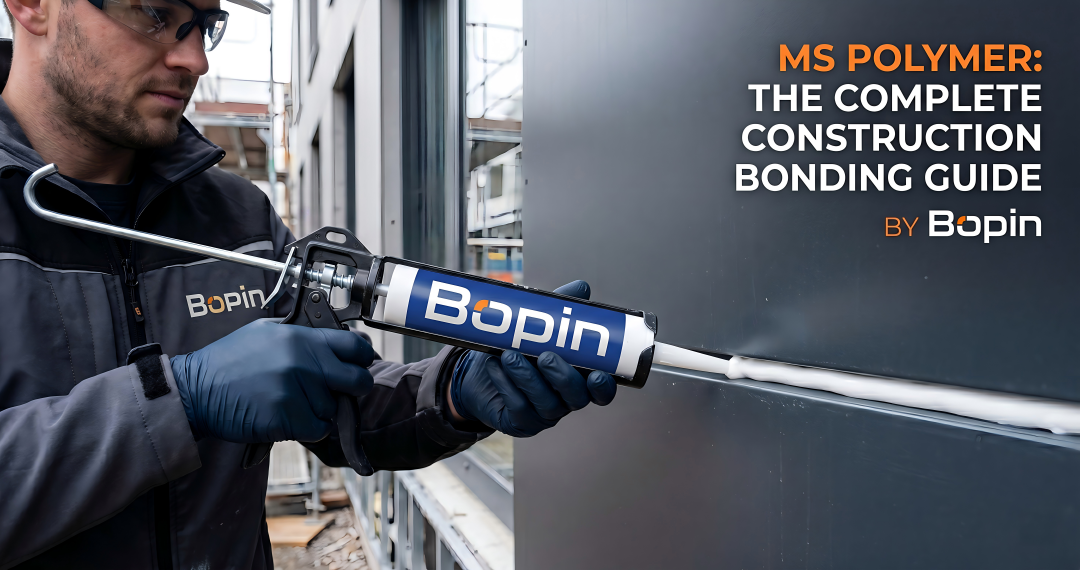
Oui, le mastic silicone peut être utilisé pour l'étanchéité, mais ce n'est pas une solution universelle. Imaginez le silicone comme un excellent imperméable : il est parfait pour empêcher l’eau de pénétrer dans certaines situations, mais vous ne le porteriez pas pour nager. Savoir quand et comment utiliser le silicone pour l’étanchéité vous permettra d’obtenir d’excellents résultats et d’éviter des erreurs coûteuses.
L'essentiel est de savoir de quel type d'étanchéité vous avez besoin. L'étanchéité d'un cadre de fenêtre requiert des solutions différentes de celles nécessaires à l'imperméabilisation d'un mur de sous-sol. Le silicone excelle dans certains travaux d'imperméabilisation, mais est totalement inadapté à d'autres.
Pourquoi le silicone est-il bon pour l'étanchéité ?
Le mastic silicone crée une excellente barrière contre l'eau lorsqu'il est utilisé correctement. Contrairement à de nombreux autres matériaux, le silicone n'absorbe pas l'eau, ne se fissure pas sous l'effet des cycles de gel-dégel et ne se dégrade pas sous l'effet d'une exposition constante à l'humidité. C'est comme avoir un joint en caoutchouc flexible qui épouse parfaitement n'importe quelle surface.
La flexibilité du silicone est son arme secrète pour l'étanchéité. Les bâtiments bougent constamment sous l'effet des variations de température, du tassement et du vent. Les matériaux d'étanchéité rigides se fissurent lorsque le bâtiment bouge, tandis que le silicone s'étire et reprend sa forme initiale. sans compromettre l'étanchéité. Cette flexibilité assure une protection contre l'eau pendant des décennies, même dans des applications où les matériaux rigides céderaient rapidement.
Le silicone adhère bien à la plupart des matériaux de construction courants., notamment le verre, le métal, la céramique et de nombreux plastiques. Cela signifie que vous pouvez créer des joints étanches entre différents matériaux qui se dilatent et se contractent à des vitesses différentes. Prenons l'exemple d'un joint d'étanchéité autour d'un cadre de fenêtre métallique dans un mur en béton : les différences de dilatation fissureraient les mastics rigides, tandis que le silicone y résiste sans problème.
Des mastics silicones de haute qualité comme les produits à polymérisation neutre de BoPin résister aux dommages causés par les UV, aux températures extrêmes et à l'exposition aux produits chimiques cela détruirait d'autres matériaux d'étanchéité au fil du temps. Cette durabilité garantit l'efficacité de votre étanchéité pendant 15 à 25 ans, voire plus. lorsqu'elle est correctement appliquée.
Là où l'étanchéité au silicone est la plus efficace
Le silicone excelle dans l'étanchéité des joints, des coutures et des liaisons entre différents matériaux. Ce sont des endroits où l'eau adore s'infiltrer et causer des problèmes. Comprendre ces applications idéales vous aide à utiliser le silicone là où il est le plus performant.
Étanchéité des fenêtres et des portes
Les fenêtres et les portes sont des points privilégiés pour les fuites d'eau. car elles impliquent la rencontre de matériaux différents au niveau de joints mobiles. Silicone conçu pour les applications sur fenêtres crée des joints flexibles qui supportent le mouvement constant tout en empêchant l'eau de pénétrer.
L'étanchéité du périmètre autour des cadres de fenêtres et de portes est essentielle. pour prévenir les dégâts d'eau à l'intérieur des murs. L'eau qui s'infiltre dans les cavités murales peut provoquer des moisissures, de la pourriture et des dommages structurels. dont la réparation coûte des milliers d'euros. Une bonne étanchéité en silicone permet d'éviter ces problèmes coûteux.
L'étanchéité des appuis de fenêtre bénéficie également des propriétés du silicone. La pluie projette l'eau contre les fenêtres avec une force considérable., et les mastics rigides se fissurent souvent sous cette contrainte. La flexibilité du silicone absorbe l'impact tout en maintenant une barrière d'eau complète.
Étanchéité des salles de bains et des cuisines
Les salles de bains et les cuisines sont constamment exposées à l'eau. qui teste tout système d'étanchéité. Formulations de silicone anti-moisissures relever ce défi en résistant à la fois à la pénétration de l'eau et à la prolifération fongique.
Le joint autour des baignoires, des douches et des lavabos constitue votre première ligne de défense. contre les dégâts d'eau dans ces zones humides. L'eau qui s'accumule derrière ces installations peut provoquer la pourriture du sol, des dommages aux murs et des réparations coûteuses. Un joint en silicone adéquat empêche l'eau d'atteindre ces zones vulnérables.
L'étanchéité de la cuisine autour des éviers et des plans de travail protège les placards et le sol. des dégâts d'eau. Même de petites fuites peuvent causer des dommages importants au fil du temps. si l'eau s'infiltre régulièrement dans des endroits où elle ne devrait pas être.
Étanchéité extérieure des bâtiments
Les façades des bâtiments sont exposées de plein fouet aux intempéries., notamment la pluie poussée par le vent, la neige et les températures extrêmes. mastics silicone résistants aux intempéries sont spécialement formulés pour faire face à ces conditions exigeantes.
Étanchéité des bords de toiture, raccords de gouttières et détails de solins Tous bénéficient de la résistance aux intempéries et de la flexibilité du silicone. Ces zones sont soumises à un débit et un mouvement d'eau constants. cela permettrait de vaincre rapidement les matériaux moins flexibles.
Les joints des murs extérieurs, notamment entre différents matériaux comme la brique et le métal, créer des problèmes d'étanchéité que le silicone résout parfaitement. Les différents coefficients de dilatation de ces matériaux nécessitent une étanchéité flexible pour maintenir son efficacité dans le temps.
Applications marines et de piscine
Les milieux aquatiques nécessitent une étanchéité spécialisée qui peut supporter une humidité constante et une exposition à des produits chimiques. Les mastics standards se dégradent rapidement dans ces conditions., mais les formulations de silicone appropriées résistent à la fois à l'eau et aux produits chimiques.
Étanchéité de la plage de piscine et raccordements d'équipement bénéficier de la résistance chimique et de la flexibilité du silicone. Le chlore et autres produits chimiques utilisés dans les piscines attaquent de nombreux matériaux., mais le silicone de qualité conserve ses propriétés d'étanchéité malgré cette exposition.
Là où l'étanchéité au silicone présente des limites
Bien que le silicone soit excellent pour de nombreuses applications d'étanchéité, il n'est pas adapté à toutes les situations. Comprendre ces limitations permet d'éviter des erreurs coûteuses et de choisir la solution adaptée à chaque tâche.
Imperméabilisation de grandes surfaces
Le silicone est conçu pour sceller les joints et les raccords, et non pour recouvrir de grandes surfaces planes. Tenter d'imperméabiliser un toit ou un mur de sous-sol avec du silicone, c'est comme essayer de peindre une maison avec une brosse à dents. – techniquement possible, mais ni pratique ni efficace.
L'imperméabilisation de grandes surfaces nécessite des matériaux différents. comme les systèmes de membranes, les revêtements ou les feuilles d'étanchéité conçus pour couvrir efficacement de grandes surfaces. Ces systèmes offrent la couverture et la durabilité nécessaires pour des applications d'étanchéité étendues.
Le coût du revêtement de grandes surfaces avec du silicone serait prohibitif., et l'installation serait difficile à réaliser correctement. Le silicone est plus performant dans les applications linéaires. là où vous effectuez l'étanchéité le long des joints et des raccords.
Étanchéité souterraine
L'imperméabilisation des fondations fait face à des défis uniques que les mastics silicones standard ne sont pas conçus pour supporter. Humidité constante, pression hydrostatique et produits chimiques du sol créer des conditions qui nécessitent des systèmes d'étanchéité spécialisés.
Les applications souterraines nécessitent une étanchéité capable de résister à la pression de l'eau. La pression exercée par le sol saturé contre les murs de fondation. Les mastics standards ne sont pas conçus pour ce type de pression. et échouera dans ces conditions.
L'imperméabilisation des sous-sols nécessite des systèmes complets qui traitent l'eau à sa source et la dirigent loin des fondations. Le silicone pourrait faire partie d'un tel système, mais ne devrait pas constituer la principale méthode d'étanchéité.
Étanchéité structurelle
Étanchéité structurelle des ponts, tunnels et infrastructures majeures nécessite des systèmes de qualité technique présentant des caractéristiques de performance spécifiques. Ces applications ne tolèrent aucune défaillance. et doivent satisfaire à des normes d'ingénierie strictes.
Les applications de sécurité des personnes nécessitent des systèmes d'étanchéité qui ont été testées et certifiées pour leur usage spécifique. Les mastics de construction standard, même ceux de haute qualité, ne sont pas appropriées pour ces applications critiques.
Surfaces porteuses de circulation
Étanchéité qui doit également résister au passage piétonnier ou au poids des véhicules nécessite des solutions différentes de celles que le silicone peut fournir. Parkings à étages, allées piétonnes et applications similaires Il faut des systèmes d'étanchéité conçus pour résister à la fois aux charges d'eau et aux contraintes mécaniques.
La flexibilité du silicone, idéale pour les articulations, le rend inadapté aux surfaces de marche. là où la fermeté et la résistance à l'abrasion sont nécessaires. Ces applications nécessitent des matériaux d'étanchéité rigides qui peut supporter des charges sans se déformer.
Types de silicone pour différents besoins d'étanchéité
Différentes applications d'étanchéité nécessitent différentes formulations de silicone. Comprendre ces différences vous aide à choisir le produit adapté pour une performance optimale.
Silicones à polymérisation neutre pour l'étanchéité générale
Les silicones à polymérisation neutre sont les produits de base pour les applications d'étanchéité. because they’re safe for most materials and provide excellent water resistance. These products work well for most residential and commercial waterproofing needs.
General-purpose neutral silicones handle typical waterproofing jobs like window sealing, basic joint waterproofing, and general building maintenance. They provide reliable performance in normal environmental conditions.
The safety of neutral-cure products makes them ideal for occupied buildings where strong odors or chemical reactions could cause problems. They won’t corrode metals or damage sensitive materials during installation or service.
Specialized Formulations for Challenging Conditions
High-movement applications need silicones with enhanced flexibility to handle building movement without losing their waterproof seal. Facade-grade silicones can handle 50% movement compared to 25% for standard products.
Chemical-resistant formulations protect against exposure to cleaning chemicals, industrial compounds, or environmental pollutants that might attack standard waterproofing. These specialized products cost more but provide essential protection in challenging environments.
Anti-mold formulations include additives that prevent fungal growth in constantly moist environments. These products are essential for bathroom and kitchen waterproofing, where mold growth would compromise both appearance and performance.
Structural Silicones for Critical Applications
Structural silicones provide both waterproofing and load-bearing capability for applications like curtain wall glazing. These specialized products require professional installation and are designed for specific engineering applications.
Two-part structural silicones cure completely throughout their thickness and provide predictable performance for engineering calculations. These products cost significantly more but provide the reliability needed for critical applications.
How to Apply Silicone for Effective Waterproofing
Proper application technique is just as important as choosing the right product for achieving reliable waterproofing performance. Poor installation can make even the best products fail.
Surface Preparation for Waterproofing
Clean, dry surfaces are essential for waterproof seals that will last for decades. Any contamination between the silicone and substrate creates a path for water infiltration. Think of contamination like holes in your raincoat – even tiny gaps let water through.
Enlever complètement tout l'ancien mastic before applying new material. Le silicone n'adhère pas bien au vieux silicone., and incomplete removal almost guarantees water leaks at the interface between old and new materials.
Oil, soap residue, and manufacturing films must be removed with appropriate cleaners. These invisible contaminants prevent proper adhesion and create weak points where water can penetrate over time.
A primer may be needed for porous materials like concrete or brick to ensure optimal adhesion. Universal primers improve bonding on challenging surfaces and help ensure long-term waterproof performance.
Joint Design for Waterproofing
Proper joint design ensures that your waterproofing can handle expected movement without cracking or losing adhesion. Joints that are too narrow concentrate stress and often fail prematurely.
The ideal 2:1 width-to-depth ratio distributes stress optimally across the silicone cross-section. A 12mm wide joint should be about 6mm deep to provide the best balance of performance and material usage.
Backing rod controls sealant depth and prevents three-sided adhesion that can cause failure even in properly sized joints. Use a closed-cell backing rod that won’t absorb water and compromise the waterproof seal.
Slope joints to drain water away rather than allowing standing water to stress the seal. Water that sits against sealant joints creates hydrostatic pressure that can force water through microscopic defects over time.
Application Technique
Apply silicone in one continuous bead to avoid weak points where separate applications meet. Stopping and starting creates potential leak points that can compromise waterproofing effectiveness.
Tool the sealant to ensure complete contact with both sides of the joint and create the proper shape for water runoff. Proper tooling also eliminates air bubbles that could provide paths for water penetration.
Work in appropriate weather conditions to ensure proper curing and adhesion. Rain, extreme temperatures, or high humidity can interfere with proper waterproof seal formation.
Allow proper curing time before water exposure to ensure the seal has developed full strength and water resistance. Premature water exposure can compromise the developing seal and lead to long-term performance problems.
Common Waterproofing Mistakes with Silicone
Understanding common mistakes helps you avoid problems that compromise waterproofing effectiveness.
Using Silicone for Inappropriate Applications
The biggest mistake is using silicone where other waterproofing methods are more appropriate. Trying to waterproof large areas or handle high water pressure with silicone leads to expensive failures.
Using general-purpose sealant for specialized conditions like constant chemical exposure or extreme movement often results in premature failure. Matching product capabilities to application requirements ensures reliable performance.
Conception de joint médiocre
Undersized joints that can’t accommodate building movement will crack and leak regardless of sealant quality. Building movement is inevitable, so joints must be designed to handle expected movement without overstressing the sealant.
Joints without proper backing material often develop three-sided adhesion that concentrates stress and causes cohesive failure. This failure mode allows water penetration even though the sealant remains attached to the surfaces.
Installation Shortcuts
Rushing surface preparation to save time almost always leads to adhesion problems and water leaks. The time saved during installation is usually lost many times over, dealing with premature failures.
Inadequate tooling leaves voids and weak spots that provide entry points for water. Professional-looking installations aren’t just about appearance – proper tooling is essential for waterproof performance.
Working in poor weather conditions compromises adhesion and curing, leading to waterproofing failures that might not show up immediately. Planning installations for appropriate weather ensures optimal performance.
Maintenance and Inspection of Silicone Waterproofing
Regular maintenance extends the life of silicone waterproofing and catches problems before they become expensive failures.
Regular Inspection Schedule
Annual inspections identify problems early when repair is still simple and inexpensive. Look for cracks, adhesion loss, and discoloration that indicate developing problems.
Pay special attention to areas with high water exposure, like window sills, shower surrounds, and exterior joints. These high-stress areas often show problems first and may need more frequent inspection.
Document the condition with photos to track changes over time and plan maintenance schedules. Trending deterioration helps predict when replacement will be needed.
Nettoyage et entretien
Clean silicone waterproofing gently with mild soap and water to remove dirt and biological growth without damaging the sealant. Harsh cleaners can attack the sealant material and reduce its waterproofing effectiveness.
Remove mold and mildew promptly using appropriate cleaners to prevent biological attack on the sealant. Some organisms can actually digest sealant materials if allowed to establish colonies.
Avoid mechanical damage from scraping, cutting, or impact that could compromise the waterproof seal. Even small damage can allow water penetration that leads to larger problems over time.
When to Replace Waterproofing Sealant
Replace sealant when inspection reveals cracks, adhesion loss, or other signs of failure before water damage occurs. Preventive replacement is much less expensive than repairing water damage after the waterproofing fails.
Plan replacement based on expected service life rather than waiting for obvious failure. Quality silicone waterproofing typically lasts 15-25 years, depending on environmental conditions and installation quality.
Envisagez de passer à des produits plus performants. during replacement if conditions have proven more challenging than originally expected. Climate change and building aging may justify better products than those originally installed.
Cost Considerations for Silicone Waterproofing
Understanding the true cost of waterproofing includes both initial installation and long-term maintenance to make informed decisions about product selection and application methods.
Initial Cost vs. Long-Term Value
Premium silicone products cost more initially but often provide better long-term value through extended service life and superior performance. Economy products may require replacement twice as often, making premium products less expensive over time.
Professional installation costs more upfront, but usually provides much longer service life than DIY applications. Professional installations often last 20+ years compared to 5-10 years for typical DIY work.
The cost of water damage from failed waterproofing far exceeds the cost of quality waterproofing materials and professional installation. Prevention is always less expensive than repair after damage occurs.
Comparing Waterproofing Options
Silicone waterproofing is competitively priced for applications where it’s appropriate, particularly joint sealing and linear waterproofing. For large area waterproofing, other systems may be more cost-effective.
Membrane waterproofing systems cost more initially but may be more economical for extensive waterproofing projects. The choice depends on the specific application and performance requirements.
Maintenance costs vary significantly between different waterproofing systems. Silicone systems are generally low-maintenance compared to more complex membrane systems that may require professional servicing.
Questions fréquemment posées
Can I use regular silicone sealant to waterproof my shower?
Regular silicone can provide waterproofing, but bathroom-specific formulations work much better. Anti-mold silicones resist the constant moisture and cleaning chemicals in shower environments. Regular sealants often develop mold problems that compromise both appearance and waterproofing effectiveness.
How long does silicone waterproofing last?
Quality silicone waterproofing typically lasts 15-25 years when properly selected and installed. Service life depends on environmental conditions, installation quality, and maintenance. Extreme conditions like constant chemical exposure or high movement may reduce service life, while protected applications may last even longer.
Can silicone stop water leaks in basements?
Silicone can seal specific cracks and joints, but it isn’t a complete solution for basement waterproofing. Basement water problems usually require comprehensive systems that address water at its source and include drainage, membranes, and possibly pumping systems. Silicone might be part of the solution, but shouldn’t be the only waterproofing method.
Is it better to use silicone or caulk for waterproofing?
“Caulk” is a general term that includes many different materials, including silicone. Silicone caulk provides superior waterproofing compared to acrylic or latex caulks because it doesn’t absorb water and maintains flexibility longer. For critical waterproofing applications, silicone is usually the better choice.
Can I apply silicone over old caulk for waterproofing?
No, old caulk should be completely removed before applying new silicone. Silicone doesn’t bond well to most other materials, including old silicone, and incomplete removal almost guarantees early failure. Taking time for complete removal ensures reliable waterproofing performance.
Conclusion
Silicone sealant can definitely be used for waterproofing, but success depends on using it in appropriate applications with proper technique. Understanding where silicone excels and where other solutions work better helps you make informed decisions that provide reliable, long-lasting waterproofing.
Joint sealing, connection waterproofing, and linear applications are where silicone shines. Its flexibility, durability, and chemical resistance make it ideal for these demanding waterproofing challenges. Large area waterproofing and high-pressure applications require different solutions that are better suited to those specific conditions.
Proper surface preparation, joint design, and application technique are just as important as product selection for achieving reliable waterproofing performance. Shortcuts in any of these areas can compromise even the best products and lead to expensive water damage.
Regular maintenance and inspection extend the life of silicone waterproofing and help identify problems before they become major issues. Quality installations with appropriate products can provide decades of reliable waterproofing protection.
BoPin Construction Chemicals offers a complete range of silicone waterproofing solutions designed for specific applications and environmental conditions. Understanding your specific waterproofing needs helps ensure you choose the right products for reliable, long-lasting protection.
Need help selecting the right waterproofing solution for your specific application? Contact BoPin’s technical team for expert guidance on products and techniques that ensure reliable water protection.