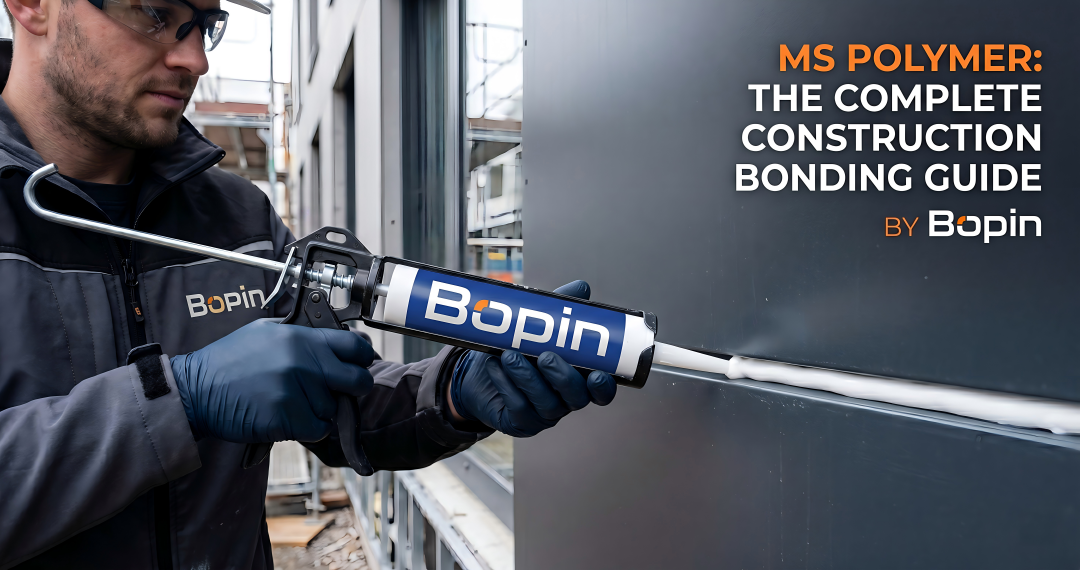
يؤدي تسرب الهواء عبر أغلفة المباني إلى إهدار ما بين 25 و401 طن من طاقة التدفئة والتبريد في المباني النموذجية، مما يكلف آلاف الدولارات في فواتير المرافق غير الضرورية مع المساس براحة السكان وجودة الهواء الداخلي. في المناخات القاسية مثل الشرق الأوسط حيث يمثل تكييف الهواء 70-80% من استهلاك الطاقة في المباني، فإن عدم كفاية إحكام إغلاق الهواء يخلق هدرًا هائلاً يمكن تجنبه.
إن فهم مبادئ إحكام إغلاق الهواء في غلاف المبنى وتنفيذ استراتيجيات إحكام الإغلاق الشاملة يقلل من استهلاك الطاقة بنسبة 15-30%، ويحسن الراحة، ويلبي متطلبات شهادة المباني الخضراء، ويحقق عائدًا سريعًا على الاستثمار. سواء كنت تقوم ببناء مشاريع معتمدة من LEED، أو تحديث المباني القائمة لتوفير الطاقة، أو تسعى ببساطة إلى تقليل تكاليف التشغيل، فإن إحكام إغلاق الهواء بشكل صحيح يشكل أساس أداء المباني الموفرة للطاقة.
فهم تسرب الهواء في غلاف المبنى
إن تسرب الهواء - حركة الهواء غير المنضبطة عبر غلاف المبنى - يقوض بشكل أساسي كفاءة الطاقة بغض النظر عن جودة العزل أو أداء نظام التدفئة والتهوية وتكييف الهواء. كل فجوة أو شق أو ثقب يسمح للهواء المكيف بالخروج وللهواء غير المكيف بالتسرب.
فيزياء تسرب الهواء
يتحرك الهواء عبر أغلفة المباني مدفوعًا بثلاث قوى رئيسية: فروق الضغط الناتجة عن الرياح، وتأثير المدخنة الناجم عن درجة الحرارة، وتشغيل النظام الميكانيكي. يساعد فهم هذه القوى الدافعة في تحديد أولويات الإغلاق الحاسمة.
ضغط الرياح يُحدث ضغطًا إيجابيًا على واجهات المباني المواجهة للريح وضغطًا سلبيًا على الجوانب الواقعة في اتجاه الريح. تؤدي فروق الضغط هذه إلى دفع الهواء عبر أي فتحة متاحة. في المباني الشاهقة أو المواقع المكشوفة، يمكن أن تصل ضغوط الرياح إلى 50-100 باسكال أو أكثر، مما يخلق تبادلًا كبيرًا للهواء من خلال أوجه القصور في الغلاف الخارجي.
تأثير التراكم ينتج ذلك عن اختلافات درجات الحرارة بين الداخل والخارج، مما يخلق حركة هواء مدفوعة بقوة الطفو. يرتفع الهواء الدافئ، مما يخلق ضغطًا إيجابيًا في المستويات العليا من المبنى وضغطًا سلبيًا في المستويات السفلية. في المناخات الباردة، يؤدي ذلك إلى سحب الهواء البارد من الأسفل ودفع الهواء الدافئ إلى الخارج من الأعلى. في المناخات الحارة ذات التكييف القوي، يحدث تأثير المدخنة العكسي – انخفاض ضغط الهواء الداخلي البارد يخلق أنماط ضغط معاكسة.
بالنسبة للمباني في الشرق الأوسط التي تحافظ على درجة حرارة داخلية تتراوح بين 22-24 درجة مئوية في مقابل درجات حرارة خارجية تتراوح بين 45-50 درجة مئوية، فإن تأثير المدخنة العكسي يخلق حركة هواء قوية إلى الأسفل. تعمل هذه القوة باستمرار على إدخال الهواء الساخن الخارجي في المستويات العليا مع إخراج الهواء البارد في المستويات الدنيا، مما يؤدي إلى محاربة أنظمة التدفئة والتهوية وتكييف الهواء بشكل مباشر.
الأنظمة الميكانيكية – وخاصة التهوية غير المتوازنة – تؤدي إلى زيادة أو انخفاض ضغط المبنى. تؤدي مراوح الشفط التي لا توفر كمية كافية من الهواء التعويضي إلى انخفاض ضغط المباني., زيادة التسلل. تُؤدي الأنظمة التي يهيمن عليها العرض إلى الضغط على المباني،, زيادة التسرب. كلا الشرطين يزيد من استهلاك الطاقة يتجاوز ما تُنتجه الأنظمة المتوازنة.

قياس تأثير تسرب الهواء
يتم تحديد شدة تسرب الهواء من خلال معدل تغيير الهواء في الساعة (ACH) عند ضغط اختبار محدد،, عادةً 50 باسكال (ACH50). يشير هذا المقياس إلى عدد مرات تبادل حجم الهواء الكلي للمبنى في الساعة الواحدة في ظل ظروف الاختبار.
نطاقات تسرب الهواء النموذجية للمباني:
- المباني القديمة التي تفتقر إلى عزل الهواء: 10-20 ACH50 (تسريب كبير)
- بناء جديد قياسي: 5-10 ACH50 (تسريب متوسط)
- ممارسات جيدة لإحكام إغلاق الهواء2-5 ACH50 (محكم)
- معيار المنزل السلبي: <0.6 ACH50 (ضيق للغاية)
- شهادات المباني الخضراءيتطلب عادةً 3-5 ACH50 أو أفضل
يزداد تأثير الطاقة بشكل غير خطي مع معدلات التسرب. إن المبنى الذي يعمل بمعدل 10 ACH50 لا يهدر ضعف الطاقة التي يهدرها المبنى الذي يعمل بمعدل 5 ACH50 - بل يهدر 2.5 إلى 3 أضعاف بسبب زيادة وقت تشغيل نظام التدفئة والتهوية وتكييف الهواء وانخفاض كفاءة النظام نتيجة الحمل الثابت.
في المناخات القاسية، يتفاقم تأثير تسرب الهواء. تفقد المباني في الشرق الأوسط التي تحافظ على فرق درجة حرارة يبلغ 28 درجة مئوية (50 درجة مئوية في الخارج، 22 درجة مئوية في الداخل) طاقة أكبر بكثير لكل تغيير للهواء مقارنة بالمباني ذات المناخ المعتدل التي تتراوح فيها فروق درجة الحرارة بين 10 و15 درجة مئوية. وهذا يجعل عملية منع تسرب الهواء فعالة من حيث التكلفة بشكل خاص في المناخات الصحراوية الحارة.
ما وراء الطاقة: فوائد إضافية لإحكام إغلاق الهواء
في حين أن توفير الطاقة هو الدافع الرئيسي لمعظم استثمارات منع تسرب الهواء، فإن الفوائد الإضافية غالباً ما تتجاوز قيمة الطاقة وحدها.
تحسين الراحة يؤدي انخفاض التيارات الهوائية وتفاوت درجات الحرارة إلى تحسين رضا شاغلي المبنى بشكل ملحوظ. تحافظ المباني ذات العزل الجيد للهواء على درجات حرارة أكثر تجانسًا في جميع الأماكن وعبر الفصول.
فوائد جودة الهواء الداخلي من التهوية المتحكم بها مقابل التسلل العشوائي. توفر المباني المغلقة بإحكام والمزودة بتهوية ميكانيكية هواءً نقياً في الوقت المحدد. أثناء ترشيحها ومعالجتها. تتعرض المباني المتسربة لتسرب غير منضبط وغير مُصفّى. يجلب الملوثات والغبار والمواد المسببة للحساسية.
التحكم في الرطوبة يتحسن الوضع بشكل كبير مع إحكام إغلاق الهواء بشكل جيد. حركة الهواء تحمل رطوبة أكثر بكثير من الانتشار من خلال المواد. يمنع سد تسريبات الهواء تسرب الرطوبة مما يسبب التكثيف والعفن وتدهور المواد.
تقليل الضوضاء يصاحب ذلك إحكام إغلاق الهواء حيث ينتقل الصوت عبر نفس الفجوات التي يستخدمها الهواء. تحقق المباني ذات العزل الهوائي الممتاز أداءً صوتيًا أفضل بكثير بدون عزل صوتي متخصص.
تحديد حجم وأداء نظام التدفئة والتهوية وتكييف الهواء الاستفادة من انخفاض الأحمال. تتطلب المباني المحكمة الإغلاق معدات تكييف هواء أصغر حجماً وأقل تكلفة. بينما تعمل الأنظمة الحالية بكفاءة أكبر مع تقليل وقت التشغيل وتحسين التحكم في درجة الحرارة.

نقاط تسرب الهواء الحرجة في أغلفة المباني
يتركز تسرب الهواء في تفاصيل محددة من غلاف الجهاز بدلاً من حدوثه بشكل موحد. إن فهم هذه النقاط الحاسمة ومعالجتها يضمن أقصى قدر من فعالية الإغلاق مقابل الجهد المبذول.

النوافذ والأبواب
تمثل محيطات النوافذ والأبواب مسارات التسرب الرئيسية في معظم المباني. تُحدث نقطة التقاء الإطارات بالفتحات الخشنة فجوات تسمح بحركة هواء كبيرة. إذا لم يتم إغلاقها بشكل صحيح.
يتطلب تركيب النوافذ وإحكام إغلاق الهواء ما يلي:
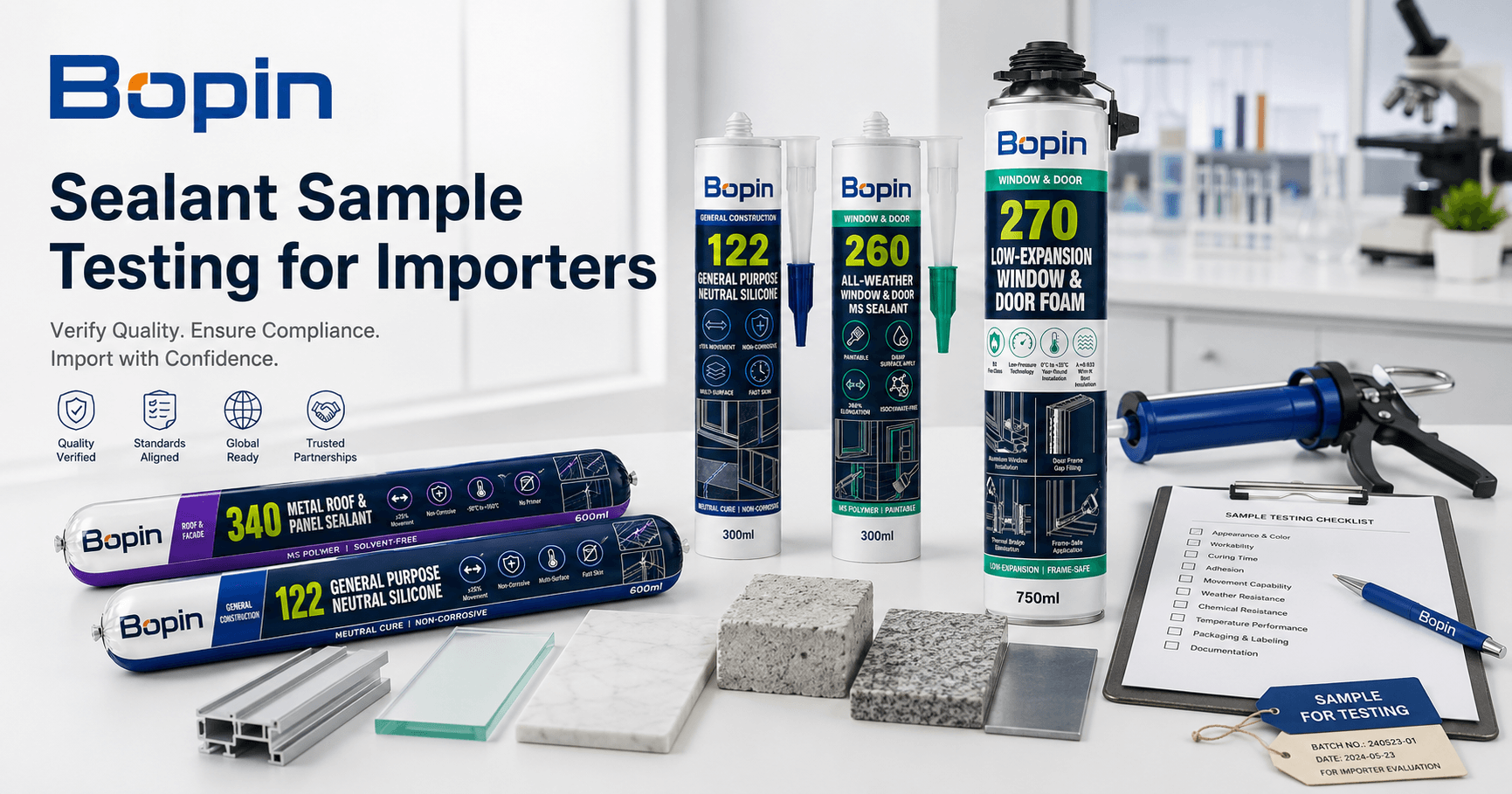
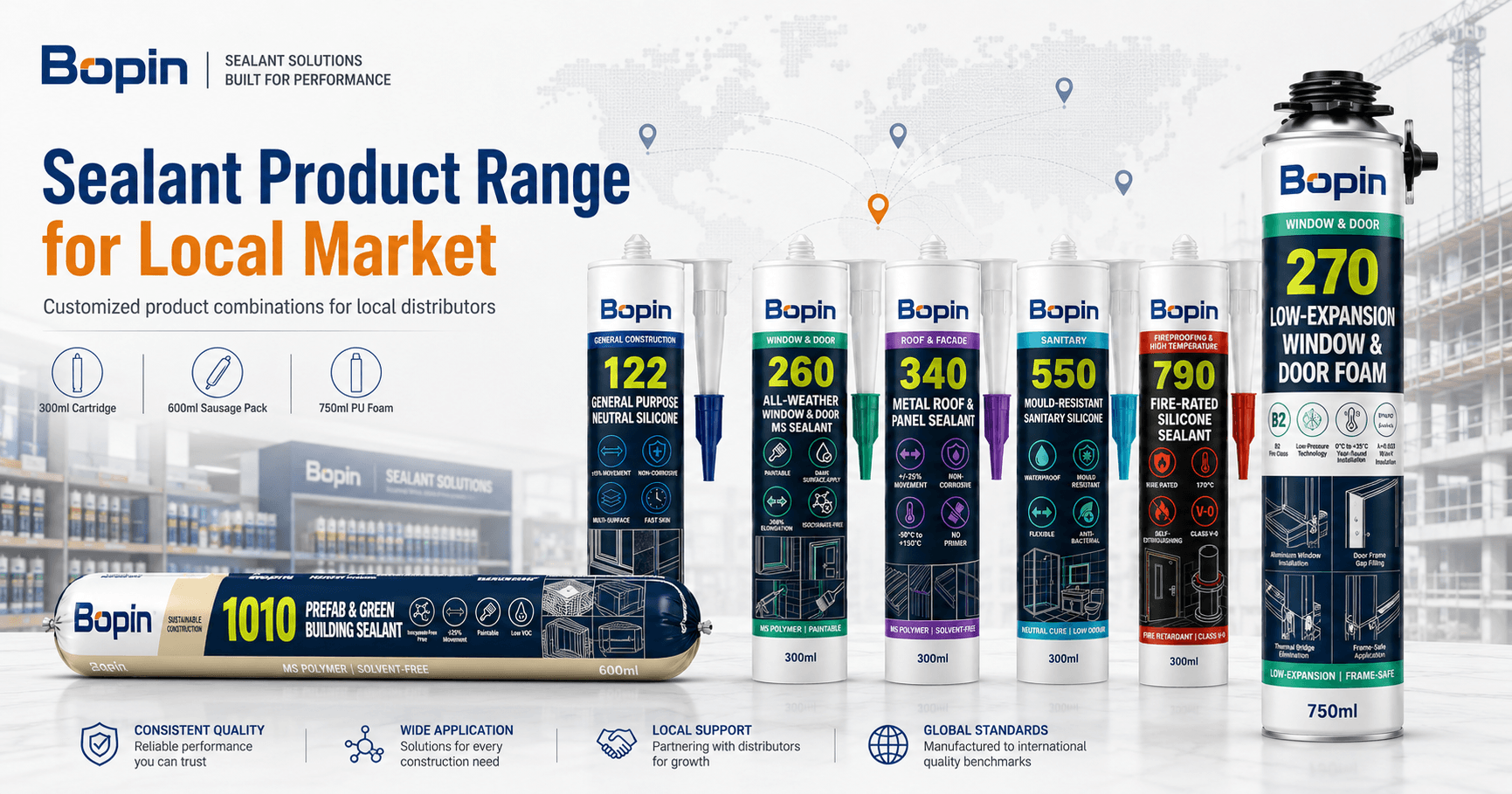
- رغوة البولي يوريثان تُستخدم منتجات مثل سد الفجوات بين الإطار والفتحة الخشنة. رغوة النوافذ والأبواب منخفضة التمدد BoPin PU-270 توفير العزل وحاجز الهواء
- مادة مانعة للتسرب عند محيط الإطار الداخلي والخارجي لمنع تسرب الهواء حول الرغوة
- تسلسل التثبيت الصحيح – طبقة تصريف خارجية، عزل رغوي/مانع تسرب الهواء، تحكم داخلي في البخار
- ضبط الجودة ضمان ملء الفراغات بالكامل دون وجود فراغات
عتبات الأبواب ومانعات تسرب الهواء يتطلب الأمر فحصًا وصيانة دورية. يؤدي تلف مانع التسرب إلى حدوث تسرب كبير على الرغم من إحكام إغلاق المحيط بشكل جيد. أجهزة إغلاق الأبواب الأوتوماتيكية وتصاميم المداخل تقليل تبادل الهواء في المداخل ذات الحركة المرورية العالية.
نوافذ قابلة للفتح يواجهون تحديات إضافية ناتجة عن تشغيل الأجهزة وآليات القفل التي تخلق مسارات تسريب محتملة. أنظمة القفل متعددة النقاط تحسين الإحكام مقارنةً بالأقفال أحادية النقطة. حالة الحشية يحدد الأداء طويل الأجل الذي يتطلب استبدالاً دورياً.
الانتقالات من الجدار إلى السقف ومن الجدار إلى الأساس
تُشكّل نقاط التقاء العناصر الرئيسية للمبنى تفاصيل معقدة لإحكام إغلاق الهواء. حيث تلتقي المواد المختلفة وتسلسلات البناء.
الانتقالات من الجدار إلى السقف يجب الحفاظ على حاجز هوائي مستمر على الرغم من تعقيد عملية البناء. سواء تم استخدام الحشيات أو المواد المانعة للتسرب أو رغوة الرش، فإن الاستمرارية تظل أمراً بالغ الأهمية. تحدث حالات الفشل الشائعة عندما ينتهي حاجز الهواء الجداري ويبدأ حاجز الهواء السقفي مع عدم كفاية التداخل أو الإحكام.
نقاط اتصال الجدران بالأساسات يمثل إحكام الإغلاق تحدياً خاصاً لأنه يحدث على مستوى الأرض حيث يكون التحكم في الرطوبة أمراً بالغ الأهمية أيضاً. رغوة الرش، أو مواد مانعة للتسرب، أو حشيات متخصصة إنشاء حواجز هوائية مع مراعاة الحركة التفاضلية بين الأساس وهيكل الجدار.
الجدران الحاجزة تخلق ظروفاً معقدة بشكل خاص تتطلب تفصيلاً دقيقاً. نقطة التقاء غشاء السقف، وهيكل الدرابزين، وتكسية الجدار الخارجي يركز على عمليات انتقال متعددة في الغلاف تتطلب إحكامًا تامًا للهواء.
ثقوب في الظرف
Every pipe, cable, duct, or structural element penetrating the envelope creates potential air leakage. Collectively, penetrations often account for 20-30% of total building air leakage.
Electrical and plumbing penetrations through exterior walls require sealing around each service. Fire-rated assemblies add complexity requiring products maintaining both air seal and fire rating. Grouped penetrations benefit from sleeves allowing single large seal versus many small ones.
HVAC penetrations for supply/return ducts, refrigerant lines, and condensate drainage create substantial openings. Oversized penetrations allowing installation flexibility become major leakage paths if remaining gaps aren’t completely sealed.
Structural penetrations – columns, beams, or other elements passing through envelope – require special attention. Movement between structure and envelope must be accommodated while maintaining air seal, typically using flexible sealants rather than rigid materials.
Attic access points and hatches represent often-overlooked envelope penetrations. Unsealed or poorly sealed hatches create direct paths between conditioned space and unconditioned attics, causing substantial energy loss and moisture migration.
Floor-to-Exterior Wall Connections
Multi-story buildings must seal floor-to-wall connections preventing vertical air movement through interior cavities.
The gap between floor slabs and exterior walls allows air to move between floors through wall cavities if not sealed. This vertical air movement can account for significant whole-building leakage despite appearing as small gaps at individual floors.
Spray foam, sealant, or prefabricated gaskets applied at each floor level create barriers. In cold climates, this detail prevents warm air rising through walls. In hot climates with strong air conditioning, it prevents cool air sinking through walls and hot air infiltrating at upper levels.
Curtain Wall Systems
Modern curtain wall facades create unique air sealing challenges through numerous panel joints and complex geometries.
Inter-panel joints between curtain wall units must seal against air passage while accommodating thermal movement and building deflection. Quality weatherproofing sealants like سيليكون محايد مقاوم للعوامل الجوية من نوع BoPin 770 provide necessary movement capability and durability.
Spandrel panels and vision glass transitions create material changes requiring careful joint design. التمدد الحراري التفاضلي between glass and metal panels stresses seals unless proper joint width and sealant selection accommodate movement.
Curtain wall-to-floor connections must maintain air barrier continuity where facade systems attach to building structure. This detail often receives inadequate attention during design and construction despite its significance to overall building air tightness.
Materials and Systems for Air Sealing
Effective air sealing requires selecting appropriate materials matching specific detail conditions. لا يوجد منتج واحد يصلح لجميع المواقف – فالاستراتيجيات الشاملة تستخدم مواد متعددة بشكل منهجي.
Polyurethane Foam Air Sealing
Polyurethane foam products provide excellent air sealing while simultaneously insulating, making them particularly effective for gap filling around windows, doors, and penetrations.
One-component foam applications:
Low-expansion foams يحب BoPin PU-270 Window & Door Foam suit sensitive applications around window and door frames where high expansion might distort frames. These products provide both air barrier and insulation in single application.
Standard expansion foams handle larger gaps and general penetration sealing where distortion isn’t a concern. Higher expansion provides more insulation value but requires more careful application preventing overfilling.
Fire-rated foams address penetrations through fire-rated assemblies maintaining both air seal and fire barrier. هذه المنتجات المتخصصة تكلف أكثر but prove necessary for code compliance in rated assemblies.
Foam application best practices:
- Clean, dry substrates ensure proper adhesion
- Controlled filling prevents over-expansion and waste
- Trimming excess foam after cure rather than attempting perfect initial application
- Protection from UV exposure on exterior applications
- Coating trimmed foam with sealants or coatings improving durability
Sealants for Air Barrier Continuity
Flexible sealants create air-tight seals in joints experiencing movement or requiring smooth finish. Sealant selection should match movement requirements and exposure conditions.
مواد مانعة للتسرب من السيليكون provide excellent durability and movement capability for exterior joints. Neutral-cure formulations like BoPin 770 Weatherproof Silicone handle extreme temperature ranges and UV exposure while maintaining flexibility.
مواد مانعة للتسرب من البوليمر MS offer paintability and good performance in moderate conditions. منتجات مثل بوليمر MS متعدد الأغراض BoPin MS-220 work well for interior applications or where color matching requires painting.
Acoustic sealants specifically formulated for sound control also provide excellent air sealing. These non-hardening products maintain flexibility indefinitely while damping vibration and sealing effectively.
اعتبارات التقديم:
- Joint sizing accommodating expected movement
- قضيب داعم preventing three-sided adhesion
- تحضير السطح ensuring clean, dry bonding surfaces
- الأدوات المناسبة creating optimal geometry and surface contact
Air Barrier Membranes and Tapes
Sheet materials – membranes, tapes, and gaskets – provide continuous air barriers over large areas or seal specific details.
Fluid-applied air barriers coat surfaces creating seamless barriers conforming to complex geometries. These products excel at irregular surfaces, numerous penetrations, or areas where sheet materials prove difficult.
Self-adhered membranes provide durable air barriers with faster installation than fluid-applied products. Proper surface preparation remains critical for reliable long-term adhesion.
Specialized tapes seal specific details like window flanges, membrane laps, or penetration boots. High-performance tapes with acrylic adhesives provide superior durability versus rubber-based alternatives, particularly in hot climates where heat degrades inferior products.
Climate-Specific Air Sealing Strategies
Climate dramatically affects air sealing priorities, product selection, and expected performance. Strategies optimized for temperate climates may prove inadequate or even counterproductive in extreme conditions.
Desert Climate Air Sealing (Middle East Focus)
Middle Eastern buildings face unique air sealing challenges from extreme heat, intense UV, large indoor-outdoor temperature differentials, and reverse stack effect.
Temperature differential impact:
Buildings maintaining 22-24°C indoors against 45-50°C outdoor temperatures create 28°C temperature differentials – among the largest globally. This differential drives powerful air exchange through any envelope deficiency.
Air conditioning represents 70-80% of building energy consumption in Gulf region buildings. Every cubic meter of air infiltrating requires cooling from 50°C to 22°C – an enormous energy penalty. Air sealing directly reduces this massive cooling load.
Reverse stack effect considerations:
Unlike cold climates where warm air rises creating positive pressure at building tops, air-conditioned buildings in extreme heat experience reverse stack effect. Cool dense air sinks, creating positive pressure at lower levels and negative pressure at upper levels.
This reversal means:
- Hot air infiltrates at upper building levels where negative pressure draws it in
- Cool air exfiltrates at lower levels where positive pressure pushes it out
- Pressure patterns change with HVAC operation versus naturally ventilated periods
- Elevator shafts and stairwells become significant vertical air movement paths
Material selection for desert conditions:
مقاومة للأشعة فوق البنفسجية becomes paramount for exterior sealants and tapes. Intense year-round sun rapidly degrades products without adequate UV stabilization. Premium silicones rated for extreme UV exposure prove essential for long-term performance.
Heat resistance matters for products exposed to direct sun. Surface temperatures on dark materials can exceed 70-80°C in peak summer. Sealants and tapes must maintain properties through these temperature extremes.
Thermal movement from large daily temperature swings stresses sealant joints. Building surfaces experiencing 40-50°C daily cycling create substantial movement requiring sealants with maximum movement capability (±50%).
Tropical and Humid Climate Sealing
High humidity regions create different air sealing priorities focused on moisture control and biological growth prevention.
Moisture management becomes critical as air leakage carries far more moisture than vapor diffusion. Humid outdoor air infiltrating into air-conditioned spaces brings moisture that condenses on cool surfaces, potentially causing mold and material deterioration.
Vapor drive direction in tropical climates typically flows inward (hot, humid outside toward cool, dry inside) – opposite to cold climate vapor drive. This affects air barrier/vapor barrier coordination requiring different strategies than cold climate construction.
Anti-fungal protection in sealants and foams prevents biological growth on products exposed to high humidity. Products with mold resistance maintain appearance and performance in challenging moisture conditions.
Cold Climate Air Sealing
Cold climates prioritize preventing warm, moist indoor air from escaping through envelope where it can condense within wall or roof assemblies causing moisture damage.
Outward vapor drive dominates heating season as warm, humid indoor air tries to escape through envelope. Air leakage carries moisture to cold surfaces where it condenses, potentially causing rot, mold, or insulation degradation.
تأثير التراكم reaches maximum intensity in cold climates with large indoor-outdoor temperature differentials. Tall buildings experience extreme stack pressures requiring particularly thorough upper level air sealing.
Energy Savings Calculations and ROI
Quantifying energy savings from air sealing justifies investment and guides decision-making. Understanding calculation methods helps predict returns and optimize sealing strategies.
Estimating Current Air Leakage
Blower door testing provides accurate air leakage measurement. This diagnostic test pressurizes or depressurizes buildings to 50 Pa while measuring airflow required to maintain that pressure. Results expressed as ACH50 indicate leakage severity.
Without testing, rough estimates use building age, construction quality, and visual indicators:
- Pre-1980 construction without air sealing: assume 10-15 ACH50
- 1980-2000 standard construction: assume 7-10 ACH50
- 2000+ moderate attention to sealing: assume 5-7 ACH50
- Recent construction with good practices: assume 3-5 ACH50
These estimates allow preliminary energy savings calculations before investing in comprehensive testing.
Calculating Energy Savings
Air leakage energy impact depends on climate, indoor-outdoor temperature differential, HVAC efficiency, and fuel costs.
Simplified calculation approach:
- Determine building volume (floor area × ceiling height)
- Estimate air changes per hour (ACH50 from testing or estimates)
- Calculate infiltration volume (building volume × ACH50 / 20) – dividing by 20 converts 50 Pa test to natural conditions
- Compute heat loss/gain (infiltration volume × air density × specific heat × temperature differential)
- Convert to annual energy accounting for climate degree-days
- Calculate cost based on utility rates and HVAC efficiency
For Middle Eastern example:
A 2,000 m² office building (6,000 m³ volume) at 8 ACH50:
- Natural infiltration: 6,000 × 8 / 20 = 2,400 m³/hr
- Temperature differential: 28°C (50°C outside, 22°C inside)
- Heat gain: 2,400 m³/hr × 1.2 kg/m³ × 1.0 kJ/kg·°C × 28°C = 80,640 kJ/hr = 22.4 kW
- Annual cost (assuming $0.10/kWh, 3,000 cooling hours, COP 3): $22,400
Improving to 4 ACH50 reduces infiltration by 50%:
- Annual savings: $11,200
- With typical air sealing cost $5,000-8,000
- Payback: 5-9 months
This simple example demonstrates why air sealing delivers exceptional ROI in extreme climates.

Green Building Certification Value
LEED, BREEAM, and regional certifications (like UAE’s Estidama) require air tightness testing and often credit enhanced performance.
Certification value includes:
- Marketing premium – certified buildings command higher rents/sales prices
- Lower operating costs – reduced energy consumption benefits tenants
- Regulatory advantages – some jurisdictions require certifications for permits
- Corporate sustainability goals – meeting ESG targets
- Government incentives – rebates or expedited approvals for certified buildings
Air sealing represents relatively low-cost contribution to certification points compared to expensive systems like renewables or advanced HVAC, making it particularly cost-effective for achieving certification.
Testing and Quality Assurance
Verification through testing ensures air sealing achieves intended performance. Quality assurance during construction catches problems while correction remains feasible.
Blower Door Testing
Blower door testing provides quantitative air leakage measurement allowing comparison to targets and identification of major leaks.
Test procedure:
- Seal all intentional openings (close doors/windows, seal exhaust fans, etc.)
- Install calibrated fan in exterior door or window
- Pressurize or depressurize building to 50 Pa
- Measure airflow required to maintain pressure
- Calculate ACH50 from airflow and building volume
- Identify leakage locations using smoke or infrared cameras during test
Testing timing options:
Rough-in testing before drywall or finishes allows finding and correcting major problems. This early intervention proves far less expensive than fixing issues after finish installation.
Final testing after construction completion verifies overall performance and identifies any problems requiring correction before occupancy.
Post-retrofit testing documents improvement after air sealing upgrades, validating investment and guiding additional work if needed.

Infrared Thermography
Infrared cameras visualize temperature differences revealing air leakage locations. Combined with blower door testing, thermography identifies specific leaks for targeted sealing.
Inspection procedure:
- Create pressure differential using blower door
- Scan building envelope with infrared camera
- Identify temperature anomalies indicating air leakage
- Document locations for repair
- Verify corrections with follow-up imaging
Thermography works best with substantial indoor-outdoor temperature differential – at least 10°C. In mild weather, artificial heating or cooling may be needed for effective inspection.
Smoke Testing
Theatrical smoke released near suspected leaks visibly shows air movement patterns. This low-tech method effectively locates leaks during pressurization testing without expensive equipment.
Smoke testing limitations:
- Only identifies accessible leaks on interior surfaces
- Difficult to quantify leakage severity
- May set off smoke detectors requiring temporary disabling
- Best used supplementing other methods rather than as sole diagnostic
Implementation Strategies for Different Building Types
Air sealing approaches vary by building type, age, and construction method. Tailoring strategies to specific conditions optimizes effectiveness and cost.
New Construction
New construction offers best opportunity for cost-effective air sealing by incorporating proper details during initial construction rather than retrofitting.
Design phase integration:
- Specify continuous air barrier throughout envelope
- Detail critical transitions at windows, penetrations, envelope transitions
- Select appropriate materials for climate and exposure
- Coordinate trades ensuring each understands their air sealing responsibilities
Construction phase quality control:
- Train installation crews on air sealing importance and techniques
- Inspect work progressively catching problems before subsequent work conceals them
- Conduct rough-in blower door testing allowing correction before finishes
- Document installation with photos verifying proper execution
Final verification:
- Complete blower door testing verifying target performance
- Identify and correct any deficiencies
- Provide documentation for certification or owner records
Existing Building Retrofits
Existing buildings require diagnostic testing identifying major leaks before developing cost-effective sealing strategies.
Assessment approach:
- Blower door testing quantifying current performance
- Infrared thermography locating major leakage paths
- الفحص البصري identifying obvious problems
- Prioritize improvements based on cost-effectiveness
Common retrofit opportunities:
- Attic access and penetrations often overlooked yet easily sealed
- Basement rim joists and foundations accessible and high-impact
- Window and door perimeters if replacement isn’t planned
- الاختراقات الميكانيكية for HVAC, plumbing, electrical
- Dropped ceilings and partition walls in commercial buildings creating hidden leakage paths
Retrofit challenges:
- Limited access to some envelope areas
- Concealed conditions requiring investigation
- Occupied building coordination minimizing disruption
- Unknown existing materials requiring compatibility verification
الأسئلة المتداولة
How much can air sealing reduce my energy bills?
Air sealing typically reduces heating and cooling energy consumption by 15-30% depending on current leakage severity and climate conditions. In extreme climates like the Middle East where cooling dominates, savings can reach 25-35% of cooling costs – often translating to 18-25% of total energy bills. Payback periods typically range from 6 months to 3 years depending on improvement extent and energy costs. A blower door test provides accurate current leakage assessment allowing precise savings prediction for your specific building.
What air tightness target should I aim for?
Target air tightness depends on building type, climate, and green building certification goals. Residential buildings should target 3-5 ACH50 for good energy performance, while commercial buildings typically aim for 5-8 ACH50. Green building certifications often require specific targets – LEED requires testing and may credit <3 ACH50, while Passive House demands <0.6 ACH50. In extreme climates like hot deserts, tighter targets (3-4 ACH50) prove more cost-effective due to higher per-air-change energy costs. Balance air tightness with proper mechanical ventilation ensuring adequate fresh air supply.
Will air sealing cause indoor air quality problems?
Proper air sealing improves indoor air quality by enabling controlled mechanical ventilation rather than random infiltration. Leaky buildings receive uncontrolled, unfiltered outdoor air bringing pollutants, allergens, and dust, while sealed buildings with mechanical ventilation provide filtered, scheduled fresh air exactly where and when needed. The concern about “buildings being too tight” stems from older construction where infiltration provided ventilation – modern practice combines air sealing with proper ventilation systems delivering far better air quality than leaky construction.
Can I DIY air sealing or do I need professionals?
Homeowners and facility managers can successfully seal many common air leaks themselves including attic penetrations, window/door weatherstripping, and accessible gaps around pipes and wires. However, professional air sealing delivers better results for whole-building improvements through expertise in diagnostics (blower door testing), hard-to-reach areas, and proper material selection/application. For new construction or major renovations, professional involvement from design phase ensures comprehensive approach rather than patchwork fixes. Consider professional diagnostic testing even if doing DIY sealing – knowing where major leaks exist targets effort effectively.
How does air sealing interact with insulation?
Air sealing and insulation work together but serve different functions – insulation reduces heat transfer while air sealing prevents air movement. Without air sealing, insulation performs poorly as air moving through it carries far more heat than conduction. Think of insulation as a sweater – it keeps you warm only if wind (air movement) doesn’t blow through it. Air sealing should precede or accompany insulation installation rather than being afterthought. In many cases, improving air sealing delivers more cost-effective energy savings than adding insulation to already-insulated assemblies.
خاتمة
Building envelope air sealing represents the most cost-effective energy efficiency improvement in most buildings, particularly in extreme climates where heating or cooling dominates energy consumption. The combination of direct energy savings, improved comfort, better indoor air quality, and enhanced building durability makes comprehensive air sealing a high-priority investment.
Understanding air leakage mechanisms – pressure differentials from wind, stack effect, and mechanical systems – guides effective sealing strategies. In Middle Eastern climates, reverse stack effect from strong air conditioning creates unique challenges requiring particular attention to upper-level air sealing preventing hot air infiltration.
Critical leakage points – windows and doors, major element transitions, penetrations, and vertical cavity connections – account for majority of air leakage despite representing small fractions of envelope area. Targeting these high-impact details delivers maximum improvement for effort invested.
Material selection should match specific detail conditions and exposure. Polyurethane foams excel at gap-filling around penetrations and openings, flexible sealants handle moving joints, and membranes/tapes create continuous barriers over large areas. Climate considerations guide product selection – desert conditions demand extreme UV resistance and thermal stability, while humid climates prioritize moisture control and mold resistance.
Quantifiable energy savings and rapid payback justify air sealing investment, particularly in extreme climates. Middle Eastern buildings can save 20-30% of cooling costs through comprehensive air sealing, often achieving payback in under two years. Green building certification value adds marketing and operational benefits beyond direct energy savings.
Testing and quality assurance through blower door testing, infrared thermography, and progressive inspection ensures sealing achieves intended performance. New construction should incorporate air sealing from design phase, while existing buildings benefit from diagnostic testing identifying cost-effective improvement opportunities.
Whether constructing energy-efficient new buildings, retrofitting existing facilities for reduced operational costs, or pursuing green building certification, comprehensive air sealing forms the foundation of building energy performance. The investment delivers immediate operational savings, improved occupant comfort, and long-term building durability – benefits that compound throughout building life.
Planning energy-efficient construction or building retrofits and need expert guidance on air sealing strategies? تواصل مع فريقنا التقني for professional support on material selection, testing requirements, and comprehensive sealing specifications suited to your climate and building type.
مقالات ذات صلة: