Ever stood in the hardware store staring at tubes labeled “silicone glue,” “silicone adhesive,” “silicone RTV sealant,” and “silicone sealer,” wondering if they’re all just the same thing with different names? You’re not alone! These terms get thrown around so much that even experienced DIYers sometimes grab the wrong product.
Here’s the truth: while these products are all silicone-based, they’re designed for different jobs. Using the wrong one is like trying to eat soup with a fork – technically possible, but you’re going to have a bad time. Understanding the differences can save you from project failures, wasted money, and a lot of frustration.
Breaking Down the Confusing Names
Let’s start by clearing up the terminology mess that confuses everyone:
“Silicone glue” and “silicone adhesive” are basically the same thing – they’re marketing terms for silicone products designed primarily to stick things together. Think of them as the “hold stuff together” category. These are formulated to create stronger bonds and often cure to a firmer consistency than regular sealants.
“Silicone RTV sealant” sounds fancy, but RTV just means “Room Temperature Vulcanizing” – a technical way of saying it cures at normal room temperature without needing heat. Most modern silicones are RTV, so this term doesn’t really tell you much about what it’s best for.
“Silicone sealer” is a broad category that includes everything from basic gap-filling sealants to specialized weatherproofing products. These are designed primarily to keep air, water, and other stuff from getting through gaps.
The real question isn’t what they’re called but what they’re designed to do: stick things together or seal gaps between things.
When You Actually Need Silicone Glue/Adhesive
Silicone adhesives are your go-to when you need to attach something semi-permanently – meaning it needs to stick well, but you might want to remove it someday without destroying everything.
Perfect situations for silicone adhesive:
- Mounting lightweight bathroom accessories like soap dispensers or toothbrush holders
- Attaching decorative trim that doesn’t bear weight
- Securing loose tiles in low-stress areas
- Mounting mirrors in dry areas (not your main bathroom mirror!)
- Craft projects where you need flexibility and removability
Why silicone adhesive works well for these jobs: It creates a decent bond but stays somewhat flexible, so it can handle minor movement without failing. Plus, it can usually be cut away cleanly if you need to remove whatever you’ve attached.
Real-world example: Mounting a decorative shelf in your bathroom that holds light items like candles or small plants. Silicone adhesive will hold it securely but won’t damage your tiles if you want to move it later.
When Silicone RTV Sealant is Your Best Friend
Silicone RTV sealant (or just “silicone sealant”) is designed for filling gaps and keeping things out – mainly water, air, dust, and bugs. Think of it as the “keep stuff from getting through” category.
Perfect jobs for silicone sealant:
- Sealing around bathtubs and showers to prevent water damage
- Weatherproofing windows and doors to stop drafts and water leaks
- Filling gaps in kitchen countertops where they meet walls
- Sealing around pipes where they go through walls
- General gap-filling in construction projects
Why regular sealant works better than adhesive here: Sealants are formulated to stay flexible forever and maintain a perfect seal even when your house shifts and moves. They’re also usually easier to tool and smooth for a professional-looking finish.
Real-world example: That gap between your bathtub and the wall tiles. You don’t need super-strong adhesion here – you need a flexible seal that moves with your house and keeps water out permanently.
The Strength Question: How Much Can These Actually Hold?
This is where the rubber meets the road – understanding what these products can and cannot do in terms of holding power.
Silicone adhesives typically provide 40-80 PSI of holding strength, which sounds impressive but translates to holding about 5-8 pounds per square inch. That’s perfect for lightweight items but definitely not for heavy-duty applications.
Regular silicone sealers usually provide 20-50 PSI because they’re optimized for flexibility and gap-sealing rather than raw holding power. They’re designed to stretch and move, not to grip super tightly.
To put this in perspective, A standard soap dispenser might weigh 2 pounds when full and contact the wall over about 2 square inches. Either silicone adhesive or even regular sealant could handle this easily. But a heavy mirror weighing 20 pounds? You need proper construction adhesive, not silicone.
The golden rule: If failure would be expensive, dangerous, or embarrassing, use proper construction adhesive instead of silicone.
Choosing the Right Product for Your Specific Job
Here’s a simple decision tree that works for 90% of situations:
Ask yourself: “What’s the main job here?”
If it’s keeping water/air/stuff OUT:
- Use silicone sealer/sealant
- Examples: Bathtub edges, window frames, pipe penetrations
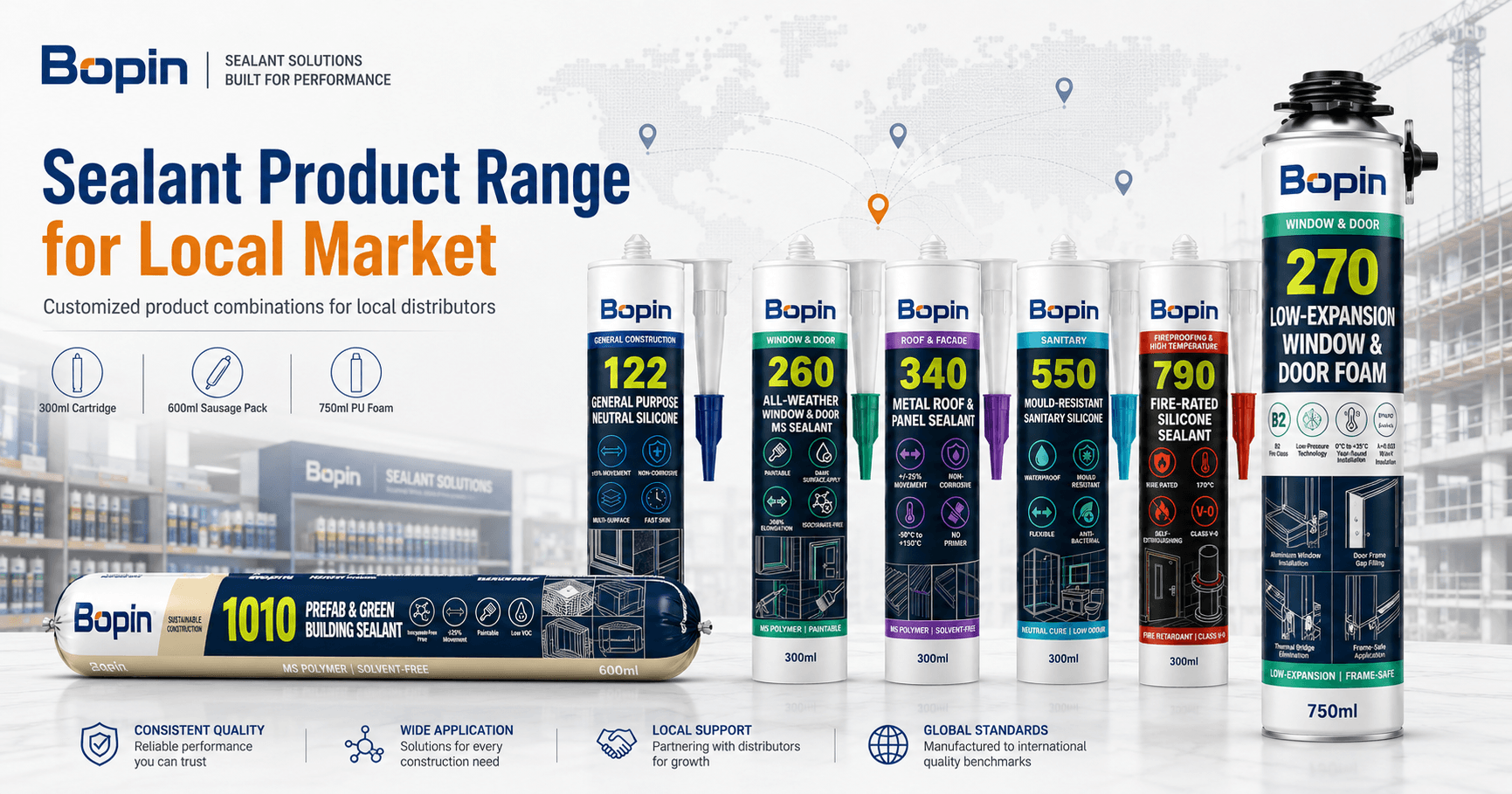
- Recommended: BoPin 550 Sanitary Sealant for wet areas, BoPin 122 General Purpose for everything else
If it’s sticking something TO something else:
- Use silicone adhesive/glue for light items
- Use construction adhesive for anything heavy or important
- Examples: Bathroom accessories, decorative elements, temporary mounting
If you need both functions:
- Look for “adhesive sealants” or hybrid products
- BoPin MS-850 High-Strength Adhesive works great for applications needing both sealing and bonding
If you’re still not sure:
- Start with regular silicone sealant – it handles more situations than you’d expect
- Test on a small, hidden area first to see how it performs
Application Tips That Work for All Types
Whether you’re using silicone glue, adhesive, or sealer, these techniques will give you better results:
Surface prep is everything. Clean with rubbing alcohol and let dry completely – this single step prevents 80% of adhesion failures. Even surfaces that look clean often have invisible oils or residue that sabotage your project.
Temperature matters more than you think. Apply when it’s between 60-80°F (15-27°C) if possible. Cold silicone flows like thick honey, and hot conditions make it cure too fast to work with properly.
Less is often more. Start with a smaller bead than you think you need – silicone spreads as you tool it, and excess just creates a mess. You can always add more, but removing excess is a pain.
Tool it properly. Use a wet finger or smoothing tool within 5-10 minutes of application. After that, the surface starts to skin over, and tooling creates ugly streaks. One smooth pass works better than multiple small adjustments.
Common Mistakes That Ruin Projects
Avoid these pitfalls that immediately mark you as a beginner:
Using silicone adhesive for structural applications is asking for trouble. That heavy kitchen cabinet or bathroom mirror needs proper construction adhesive, not silicone. The consequences of failure can be expensive and dangerous.
Mixing different types of silicone often causes problems. If you’re adding to existing silicone, try to use the same type and brand for best results. Different formulations don’t always play well together.
Applying over paint or primer without testing can lead to the whole mess peeling off in one sheet. Silicone sticks to some paints great and others terribly – there’s no way to know without testing a small area first.
Expecting instant results leads to poking and prodding that ruins the finish. Most silicones need 24-48 hours to cure fully, even though they might feel dry on the surface in 30 minutes.
When to Choose Alternatives Instead
Sometimes silicone isn’t the right answer at all:
For heavy-duty bonding: Polyurethane construction adhesives like BoPin MS-850 provide 3-5 times more holding power and work better for permanent installations.
For paintable applications: Regular silicone can’t be painted over successfully. Use paintable acrylic sealants like BoPin A-630 when you need to match colors or apply finish coats.
For underwater applications: Even “waterproof” silicone isn’t designed for constant submersion. Use marine-grade sealants for pools, boats, or aquariums.
For moving joints: Large expansion joints in concrete need specialized products designed to handle major movement cycles.
Storage and Shelf Life: Making Your Purchase Last
Proper storage extends the life of your silicone products significantly:
Store unopened tubes in a cool, dry place – ideally between 50-70°F (10-21°C). Most silicones have 12-18 month shelf lives when stored properly, but heat and humidity cut that short.
Seal opened tubes properly. Use the cap that comes with it, or wrap the tip tightly with plastic wrap and tape. Properly sealed partial tubes can last 6-12 months for future projects.
Check expiration dates, especially on discounted products. Old silicone may not cure properly or might have separated in the tube.
Shake or knead tubes before use if they’ve been stored for a while. This remixes any components that might have settled.
The Bottom Line: Keep It Simple
For most DIY projects, you don’t need to overthink this. A quality general-purpose silicone sealant handles 80% of home applications, whether you’re sealing gaps or doing light bonding.
The key is choosing quality products and applying them correctly. BoPin’s range of silicone products covers everything from basic sealing to specialized applications, all designed to deliver professional results even for DIY users.
When in doubt, start with what you know works. BoPin 122 General Purpose Neutral Silicone handles most general applications, while BoPin 550 Sanitary Sealant is perfect for wet areas. These two products solve 90% of common household sealing and light bonding needs.
Remember: the right product applied correctly beats the “perfect” product applied poorly every time. Focus on good surface prep, proper application technique, and patience during curing – your results will look professional regardless of which specific silicone product you choose.
Need help choosing the right silicone product for your specific project? Explore BoPin’s complete range of silicone adhesives, sealants, and specialty products designed to make your projects successful from start to finish.