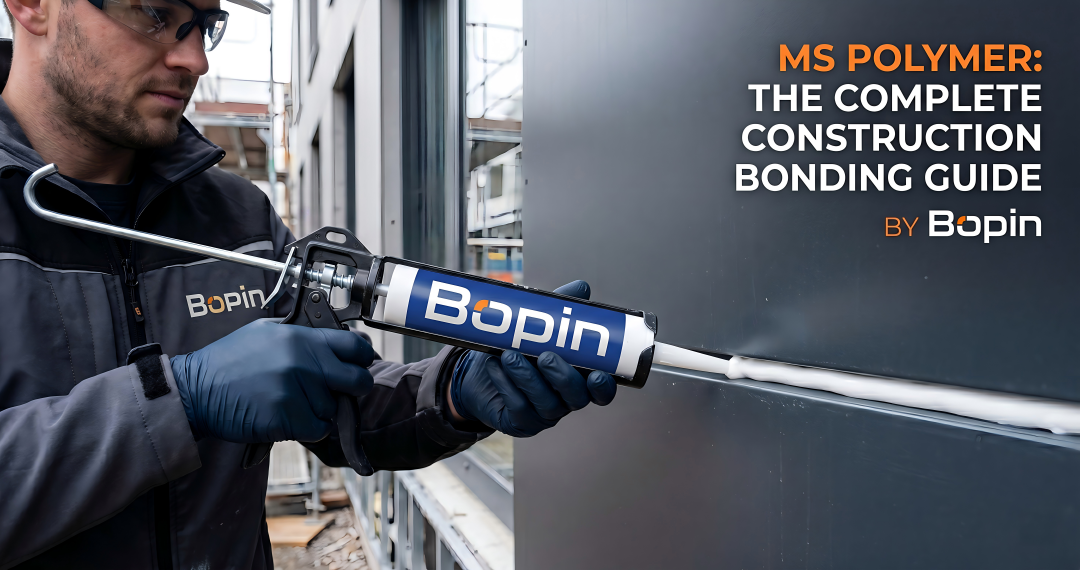
RTV silicone sealant is a construction game-changer when you need reliable sealing that cures at room temperature. Poor sealant choice or bad application techniques cause expensive failures, water damage, and constant repairs that can cost thousands.
Learning how to choose and use RTV silicone sealant correctly protects your projects and gives decades of reliable performance. Whether you’re sealing windows, joining building materials, or waterproofing joints, the right approach ensures professional results every time.
What Makes RTV Silicone Sealant Special
RTV stands for “Room Temperature Vulcanizing” – this means the sealant cures completely at normal temperatures without heat or special conditions. This makes RTV silicone incredibly practical for construction work where you can’t control the temperature or add heating equipment.
Room Temperature Curing Advantage
The biggest advantage of RTV silicone sealant is its ability to cure properly in normal construction conditions. Unlike hot-cure silicones that need ovens or heat chambers, RTV products work perfectly in field conditions from 5°C to 40°C.
This makes RTV ideal for construction sites where the weather varies and you can’t control environmental conditions. You get reliable curing whether you’re working in cool morning temperatures or warm afternoon conditions.
The room temperature curing also means faster project completion because you don’t need to wait for ideal conditions or set up special heating equipment.
Superior Construction Performance
Quality RTV silicone sealant provides excellent adhesion to most building materials, including glass, metal, concrete, and plastics commonly used in construction.
The flexibility and movement capability handle building expansion and contraction without cracking or losing the seal, which is critical for long-term building performance.
Weather resistance protects against UV, rain, temperature cycling, and other environmental stresses that destroy inferior sealing materials within months.
Types of RTV Silicone for Construction
Different construction applications need specific types of silicone RTV sealant to get the best performance and longevity.
Neutral-Cure RTV Silicone
Neutral-cure RTV silicone is the safest choice for most construction applications. It works with all common building materials without causing corrosion or staining that can occur with other cure systems.
The neutral chemistry doesn’t produce strong odors during curing, making it comfortable to use in occupied buildings or enclosed spaces.
General purpose neutral RTV silicones provide excellent performance for most residential and commercial construction applications.
Acetoxy-Cure RTV Silicone
Acetoxy-cure RTV silicone cures faster than neutral-cure products – often forming a skin in 5-15 minutes compared to 10-25 minutes for neutral types.
The faster cure can speed up construction schedules, but acetoxy products have limitations with certain materials like mirrors, natural stone, and some metals.
Fast-curing acetoxy formulations work well for general glazing and applications where speed is important and material compatibility isn’t a concern.
High-Performance RTV Types
Weather-resistant RTV silicone handles extreme outdoor conditions with enhanced UV stability and temperature resistance that meets international standards like ASTM C920 for construction sealants..
Premium facade sealants provide ±50% movement capability for demanding structural applications where buildings experience significant thermal expansion.
High-temperature RTV formulations work in demanding applications like HVAC systems, industrial equipment, and areas exposed to heat sources. Specialized high-temp products handle temperatures up to 300°C while maintaining flexibility and seal integrity.
Critical Construction Applications for RTV Silicone
Strategic use of RTV silicone sealant at key building points creates comprehensive weatherproofing that protects against the most common failure modes.
Window and Door Installation
RTV silicone sealant is perfect for window and door perimeter sealing because it cures reliably in the varying temperatures common during construction.
The room temperature curing means you can seal windows immediately after installation without waiting for ideal weather conditions or special curing equipment.
Proper window sealing prevents air leaks that waste energy and stops water infiltration that can cause expensive structural damage. Specialized window sealants provide optimal weatherproofing for these critical applications.
Structural Glazing
Large glass installations rely on RTV silicone for both sealing and structural support. The predictable room temperature curing ensures consistent performance across large installations.
Structural RTV silicone must meet strict strength requirements while providing weatherproofing, making product selection critical for safety and performance.
Professional installation techniques and proper cure timing are essential for structural applications where failure consequences can be catastrophic.
Building Envelope Sealing
The building envelope includes all the exterior surfaces that separate inside from outside conditions. RTV silicone sealant plays a critical role in maintaining this barrier against air and water infiltration.
Expansion joints in facades need RTV products that can handle large movements while maintaining weatherproofing throughout the building’s service life.
Panel-to-panel connections, flashing details, and material transitions all benefit from RTV silicone’s reliable room temperature curing and long-term flexibility.
HVAC and Mechanical Systems
Heating, ventilation, and air conditioning systems have many penetrations and connections that need reliable sealing to maintain system efficiency.
RTV silicone sealant works well for ductwork connections, equipment mounting, and pipe penetrations because it cures properly in the varying temperatures common in mechanical spaces.
Some HVAC applications need high-temperature RTV formulations that maintain their seal when exposed to heated air or equipment surfaces.
Professional Application Techniques
Getting professional results with RTV silicone sealant requires proper technique throughout the preparation and application process.
Surface Preparation Fundamentals
Perfect surface preparation is critical for RTV silicone adhesion and long-term performance in demanding construction environments.
Remove all dirt, dust, old sealant, oils, and loose material from surfaces that will receive new sealant. Even small amounts of contamination can cause adhesion failure that compromises the entire seal.
Use appropriate cleaning methods for different materials – solvents for removing oils, wire brushes for cleaning metal, and specific cleaners for different surface types.
Allow surfaces to dry completely before applying RTV silicone, as moisture can interfere with curing and adhesion development.
Joint Design for Success
Proper joint design ensures RTV silicone can perform its intended function without being subjected to stresses that cause premature failure.
Width-to-depth ratios of 2:1 provide optimal performance for most construction applications, allowing proper sealant shape for movement accommodation.
Use backing rods to prevent three-sided adhesion, which can stress the sealant and cause failure during building movement cycles.
Calculate expected building movement and ensure joints are sized appropriately with adequate safety factors for unusual conditions.
Application Best Practices
Apply RTV silicone sealant in suitable weather conditions when temperatures support proper curing and material handling.
Cut the cartridge tip carefully to get the right bead size – consistent bead thickness is important for both performance and professional appearance.
Apply steady, even pressure while moving at a consistent speed to create uniform thickness without gaps or air bubbles.
Tool the sealant immediately after application to ensure proper surface shape and eliminate defects that can collect water or dirt. Understanding proper tooling techniques is essential for professional results.
Curing and Protection
Protect fresh RTV silicone from contamination during the curing process. Dust, dirt, or construction debris settling on uncured sealant creates permanent defects.
Don’t disturb the sealant during skin formation (typically 10-30 minutes, depending on conditions) as this can ruin the surface finish and affect adhesion.
Plan construction sequences to minimize traffic and construction activity near fresh sealant applications until initial cure is complete.
Common Construction Mistakes to Avoid
Understanding common RTV silicone application errors helps you achieve professional results and avoid expensive failures.
Material Selection Errors
Using general-purpose RTV silicone for demanding applications often leads to premature failure and expensive repairs.
High-movement applications need specialized formulations with enhanced flexibility and adhesion properties.
Extreme temperature applications require appropriate product selection – standard RTV silicone fails when exposed to heat sources or extreme cold.
Environmental Condition Mistakes
Applying RTV silicone in unsuitable conditions compromises performance regardless of product quality or application skill.
Very cold conditions slow curing dramatically and may prevent proper adhesion development. Hot conditions can cause skinning before the sealant properly wets the surface.
High humidity actually helps RTV silicone curing, but rain during application can wash away uncured material and ruin the installation.
Installation Technique Problems
Poor joint preparation is the leading cause of sealant failure in construction applications.
Inadequate cleaning or contaminated surfaces create weak bonds that fail when subjected to building stresses and environmental exposure.
Wrong joint proportions or missing backing materials create stress concentrations that cause even quality RTV silicone to fail prematurely.
Rushing the application process leads to contamination, poor technique, and inadequate surface wetting that compromises long-term performance.
Safety and Handling Considerations
Safe handling of RTV silicone sealant protects workers and ensures optimal application conditions.
Personal Protection
Use appropriate personal protective equipment including gloves, eye protection, and adequate ventilation when working with RTV silicone. Follow OSHA guidelines for chemical safety in construction environments.
Acetoxy-cure products release acetic acid during curing, which can irritate eyes and respiratory systems, making ventilation particularly important.
Avoid skin contact with uncured material and wash immediately if contact occurs to prevent irritation or sensitization.
Workspace Ventilation
Ensure adequate air movement during RTV silicone application and initial curing, especially in enclosed spaces.
The curing process releases vapors that should be removed from the work area to maintain air quality and worker comfort.
Mechanical ventilation may be needed in enclosed spaces or when working with large quantities of material.
Storage and Handling
Store RTV silicone cartridges in cool, dry conditions away from heat sources and direct sunlight.
Keep containers upright to prevent material separation and ensure proper dispensing characteristics.
Use the oldest material first, and don’t store partially used cartridges as they may not cure properly after extended exposure to air.
Quality Control and Testing
Implementing quality control measures ensures consistent RTV silicone performance across construction projects.
Application Monitoring
Check environmental conditions, including temperature and humidity, before starting the application to ensure they’re within acceptable ranges.
Monitor application technique for consistent bead size, proper tooling, and adequate surface preparation throughout the project.
Document application conditions and techniques for future reference and problem diagnosis if issues arise.
Performance Testing
Simple adhesion tests can verify proper surface preparation and material compatibility before full-scale application.
Movement testing ensures joints are sized appropriately for expected building movement without overstressing the sealant.
Weatherproofing verification through visual inspection and water testing confirms proper installation technique.
Long-Term Monitoring
Establish inspection schedules to monitor RTV silicone performance over time and identify maintenance needs.
Document any problems or failures to improve future material selection and application techniques.
Plan maintenance and replacement before failures occur to prevent water damage and maintain building performance.
Frequently Asked Questions
What’s the difference between RTV and regular silicone sealant?
RTV silicone cures at room temperature without requiring heat or special conditions. This makes it perfect for construction work where you can’t control environmental conditions. Regular silicone might need specific temperatures or conditions for proper curing.
How long does RTV silicone sealant take to cure?
Most RTV silicone sealant forms a skin in 10-30 minutes and cures 2-3mm in 24 hours at room temperature. Cure timing depends on temperature, humidity, and sealant thickness, so plan accordingly for your specific conditions.
Can I use RTV silicone in high-temperature applications?
Standard RTV silicone works up to about 120°C, but specialized high-temperature formulations handle up to 300°C for demanding applications like heating systems and industrial equipment.
Is primer necessary with RTV silicone sealant?
Primer improves adhesion on challenging surfaces like aged concrete, painted surfaces, or porous materials. While not always required, primer use is good practice for critical applications where failure consequences are severe.
Can RTV silicone be painted over?
Silicone sealants generally cannot be painted because paint doesn’t adhere to the cured silicone surface. If paintability is needed, consider MS polymer alternatives that cure to a paintable surface.
Conclusion
Professional use of RTV silicone sealant in construction requires understanding both the material capabilities and proper application techniques. The room temperature curing advantage makes RTV ideal for field conditions where you can’t control environmental factors.
Success depends on careful material selection for specific applications, thorough surface preparation, and proper installation technique. Quality RTV silicone sealant provides decades of reliable performance when properly selected and applied.
Don’t compromise on product quality or application standards – construction failures are expensive and can affect building safety and performance for years.
Plan your sealing projects with adequate time for proper preparation, suitable application conditions, and complete curing before exposing the work to service loads.
Regular inspection and maintenance of RTV silicone installations help identify and address developing problems before they cause expensive damage or performance issues.
Need expert guidance on RTV silicone sealant selection and application for your construction project? BoPin Construction Chemicals provides specialized construction sealants with professional technical support for optimal results.